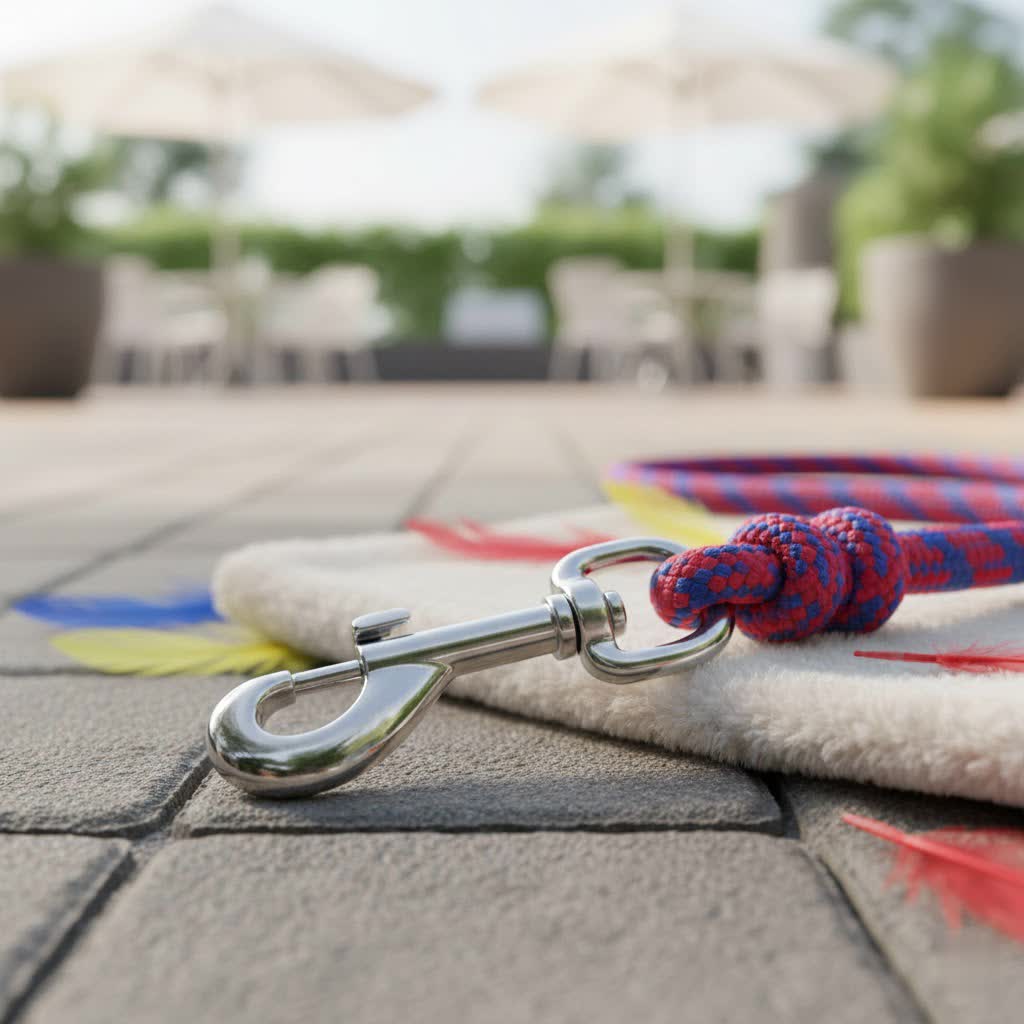
The bond between a service dog and their handler is truly remarkable, built on trust, training, and an unwavering commitment to mutual support. For these extraordinary canine companions, a leash is far more than just a walking accessory; it’s a critical tool for safety, clear communication, and seamless navigation of the world. Yet, with countless options available, choosing the perfect Service Dog Leash can feel overwhelming. This comprehensive guide is designed to help you understand the nuances of service dog leashes, ensuring you select a lifeline that enhances your partnership and supports your dog’s vital work.

Understanding the Service Dog Leash: Why It’s Crucial
A service dog leash serves multiple crucial roles that extend beyond basic control. Firstly, it’s a fundamental safety measure, preventing your service dog from wandering off, encountering hazards, or interacting inappropriately with the public. Secondly, the leash acts as a direct line of communication between you and your dog, allowing for subtle cues and immediate guidance. This continuous connection is essential for maintaining focus and executing tasks efficiently in diverse environments.
Furthermore, a well-managed service dog on an appropriate leash helps reinforce public understanding and respect for their working status. While the Americans with Disabilities Act (ADA) doesn’t mandate specific gear, it does require service animals to be harnessed, leashed, or tethered in public places. Exceptions apply only if these devices interfere with the service animal’s task or if the handler’s disability prevents their use. In such cases, the handler must maintain control through voice, signal, or other effective means. This legal framework underscores the importance of a reliable leash as part of the service dog team’s public presence and operational integrity.
Types of Service Dog Leashes: Pros and Cons
The world of dog leashes offers a variety of designs, but for service dogs, specific types stand out due to their functionality and suitability for assistance tasks. Each type brings unique advantages and potential drawbacks.
Standard Leash
The standard leash, typically 4 to 6 feet long, is the most common type. It offers a straightforward connection and direct control.
- Pros: Simple, reliable, easy to use for basic guidance and maintaining proximity. Often cost-effective and available in various materials.
- Cons: Can be less versatile for specific tasks requiring hands-free operation or varied lengths. May not offer specialized features like integrated traffic handles.
|
Our Picks for the Best Dog Leash in 2026
We may earn a commission when you use one of our links to make a purchase.
|
||
| Num | Product | Action |
|---|---|---|
| 1 | 26Ft Retractable Dog Leash, Heavy Duty Great Leash for Dog up to 110 lbs, Anti-Slip Rubberized Handle, One-Handed Brake, Strong Nylon Tape, Tangle Free(Large Size). |

|
| 2 | Hands Free Dog Leash, Adjustable Waist Leash for Dog, Handle Bungee 4.2-6.7 Feet Long with Reflective Stitches for Walking Hiking Running, Fits 26"- 43" Waist, Black & Blue |
|
| 3 | Joytale Tactical Dog Leash Heavy Duty, 4-6FT Shock Absorbing Bungee Lead with 2 Padded Handle, Metal Carabiner Clip, Car Seatbelt, Strong No Pull Leash for Medium Large X-Large Dogs, Coyote Brown |
|
| 4 | Taglory Rope Dog Leash 6 FT with Comfortable Padded Handle, Highly Reflective Threads Leash for Medium Large Dogs, 1/2 inch, Black |
|
| 5 | iYoShop Hands Free Dog Leash with Zipper Pouch, Dual Padded Handles and Durable Bungee for Walking, Jogging and Running Your Dog (Large, 25-120 lbs, Black) |
|
| 6 | Frienda 30ft Galvanized Heavy Duty Dog Chain Tie out Heavy Duty Chain 3mm Chew Proof with 2 Safety Clips Rust Resistant Outdoor Dog Leash for Yard Camping Hiking Park Travel 440lbs Break Strength |
|
| 7 | Fida Retractable Dog Leash, 16 ft Dog Walking Leash for Small Dogs up to 26 lbs, 360° Tangle Free, Black |
|
| 8 | Joytale Dog Leash, 6 FT Double-Sided Reflective, Padded Handle Nylon Heavy Duty Leashes for Medium & Large Dogs Walking, Black |
|
| 9 | 2 Pack Dog Leash, 4/5//6 FT Heavy Duty Nylon Rope Pet Leashes with Comfortable Padded Handle, Reflective Dog Leashes for Small Medium and Large Dogs (5FT-1/2,Black/Black) |
|
| 10 | 16Ft Retractable Dog Leash,Light Weight Leash for Small to Medium Dogs/Cats Up to 50lbs,Stainless Steel Spring Strong Nylon Tape, Tangle Free, One-Handed Brake.(Black) |
|
Hands-Free Leash
Designed to be worn around the handler’s waist or across the body, hands-free leashes liberate the handler’s hands for tasks or personal mobility. Many include bungee sections for shock absorption.
- Pros: Allows handlers to perform tasks, push wheelchairs, or carry items without juggling a leash. Bungee sections can absorb sudden pulls, reducing strain on both handler and dog.
- Cons: If not used correctly or with a strongly pulling dog, it could potentially pull the handler off balance. Immediate, precise control might be slightly less direct than with a handheld leash in certain situations.
Traffic Leash/Handle (Integrated)
Often integrated into longer leashes or available as short, dedicated leads, a traffic handle provides an additional grip point very close to the dog’s collar or harness.
- Pros: Offers immediate and robust close control in crowded areas, tight spaces, or emergency situations. Crucial for safety when navigating busy streets or public transport.
- Cons: Its short length means it’s primarily for close-quarter control, not general walking or task performance that requires more range.
Multi-functional/Convertible Leash
These highly adaptable leashes can adjust in length, convert to hands-free configurations, or offer multiple attachment points for various uses.
- Pros: Extremely versatile, capable of adapting to different environments and tasks. Can serve as a standard leash, a hands-free option, or even a tether.
- Cons: Can sometimes be more complex to adjust quickly, and their versatility may come with a higher price point. Handlers need to be proficient in their various configurations.
Comparison Table of Service Dog Leash Types
| Leash Type | Pros | Cons | Best For |
|---|---|---|---|
| Standard | Simple, durable, reliable direct control | Less versatile for complex tasks | Everyday walking, basic public access |
| Hands-Free | Handler freedom, shock absorption | Potential for handler imbalance if dog pulls hard | Tasks requiring hands, running, specific mobility needs |
| Traffic Handle (integrated) | Immediate close control, safety in crowds | Limits dog’s range, not for general walking | Busy streets, crowded areas, emergency situations |
| Multi-functional | High adaptability, adjustable length | Can be complex to reconfigure | Diverse tasks, varying environments, versatile handlers |
Key Factors When Choosing Your Service Dog Leash
Selecting the ideal service dog leash involves careful consideration of several factors, prioritizing durability, comfort, and functionality to support your dog’s important work.
Material
The material of your leash dictates its strength, feel, and maintenance requirements.
- Nylon: A popular choice for its durability, lightweight nature, and resistance to weather. Nylon leashes are easy to clean and generally affordable, making them a practical everyday option.
- Leather: Offers superior strength, a classic aesthetic, and an incredibly comfortable grip that molds to your hand over time. Leather leashes are known for their longevity but require regular conditioning to maintain their quality.
- Biothane: A modern material that mimics leather but is waterproof, easy to clean, and maintains a strong grip even when wet. It’s an excellent choice for tracking or working in high-moisture conditions.
Length
The appropriate leash length depends heavily on your dog’s tasks, your environment, and your personal needs.
- 4-6 feet: This is the standard length for most public access situations, offering a good balance of control and freedom for your service dog to work closely by your side.
- Long Lines (e.g., 10-30 feet): While not for general public access, longer lines can be invaluable for specific tasks such as retrieving items at a distance, scent work, or practicing off-leash commands in secure, designated areas. Remember, even with a long line, your dog must remain under your direct control.
Width and Strength
The leash’s width and overall strength should be proportional to your dog’s size and pulling power. A larger, stronger dog requires a wider, more robust leash to ensure secure control, while a lighter leash might suffice for smaller breeds or those with minimal pulling tendencies. Always choose a leash that feels sturdy and reliable in your hand.
Hardware
The metal components of your leash—the clasp, D-rings, and buckles—are critical for safety. Look for heavy-duty, durable hardware made from materials like zinc alloy or aluminum, which resist rust and corrosion. The clasp should be easy to operate with one hand, yet secure enough to prevent accidental detachment.
Handle Comfort
Since you’ll be holding the leash frequently, a comfortable handle is paramount. Padded handles, often lined with neoprene, can significantly reduce hand strain and discomfort, especially during long outings or if your dog pulls unexpectedly.
Visibility and Identification
While not legally required, leashes with reflective stitching or clear “SERVICE ANIMAL” lettering can be incredibly helpful. These features enhance visibility in low-light conditions and can reduce misunderstandings from the public, signaling that your dog is working and should not be distracted.
“A service dog leash isn’t just about restraint; it’s a vital communication line, a symbol of partnership, and a critical tool for safety and public confidence.” – Dr. Eleanor Vance, Certified Professional Dog Trainer and Service Dog Specialist
Reputable Service Dog Leash Brands
Investing in a high-quality leash from a reputable brand ensures durability and functionality. Here are some brands known for producing reliable dog gear, many of which offer suitable options for service dogs:
- Ruffwear: Known for their durable, outdoor-oriented gear, including hands-free and adjustable leashes. Their products often feature robust hardware and reflective elements.
- ActiveDogs: Specializes in working dog equipment, offering a wide range of leashes designed for various service dog tasks, including hands-free and training options.
- Max and Neo: Offers sturdy leashes, often with multiple handles for versatile control and reflective stitching for visibility.
- Bold Lead Designs: Renowned for their handcrafted leather and multi-functional leashes, built for durability and specialized working needs.
- PetSafe: A well-known brand that provides a variety of basic yet reliable nylon leashes and training tools.
- Kong: While famous for their chew toys, Kong also offers a selection of durable leashes and harnesses suitable for strong dogs.
Best Practices for Using and Maintaining Your Service Dog Leash
Proper use and regular maintenance of your service dog leash are essential for extending its lifespan and ensuring continuous safety and effectiveness.
Correct Handling Techniques
Always maintain a firm but comfortable grip on your leash, keeping it slack enough to avoid constant tension, yet ready to provide guidance or corrections. A consistent hold helps your dog understand your cues and anticipate changes in direction or pace. Avoid wrapping the leash tightly around your hand, as this can cause injury if your dog pulls suddenly.
Keeping the Leash Untangled
Preventing tangles is crucial for smooth operation. Teach your dog to walk calmly beside you, minimizing weaving or circling that could twist the leash. Hands-free options can help maintain a consistent leash position, reducing tangles. Regularly inspect the leash for knots or twists before and during outings.
Cleaning and Care
The cleaning routine for your leash will depend on its material.
- Nylon and Biothane: These materials are generally easy to clean with mild soap and water. Allow them to air dry completely to prevent mildew.
- Leather: Leather requires more specialized care. Clean with a damp cloth and mild leather cleaner, then condition regularly to keep the leather supple and prevent cracking. Avoid soaking leather leashes.
Always inspect the hardware for signs of wear, rust, or damage, and replace the leash if any component appears compromised.
Public Access Etiquette and Safety
When in public, always be mindful of your surroundings and keep your service dog close, especially in crowded areas. Use a shorter leash length or an integrated traffic handle for immediate control. Be aware of ADA guidelines regarding leash use and be prepared to explain your dog’s working role if questioned, though remember you are not required to provide documentation or demonstrate tasks.
Where to Purchase High-Quality Service Dog Leashes
Finding the right service dog leash means knowing where to look for quality and reliability.
Specialized Service Dog Equipment Retailers
Many online and some brick-and-mortar stores specialize in equipment specifically designed for service animals. These retailers often offer a curated selection of leashes built for durability, task performance, and handler comfort, with knowledgeable staff who can provide expert advice.
Reputable Online Pet Supply Stores
Major online pet supply retailers carry a broad range of leashes from various brands. Look for products with high ratings and positive reviews from other service dog handlers or working dog owners. Ensure the store has clear product descriptions detailing materials, length, and features.
Tips for Online Purchasing
When buying online, always check the product’s return policy. Detailed photos and customer reviews can provide insights into the leash’s real-world performance and quality. If possible, measure your current leash or your dog’s harness attachment points to ensure compatibility.
Conclusion
Choosing the right service dog leash is a profound decision, impacting the safety, effectiveness, and comfort of both you and your working partner. By understanding the different types, materials, and essential features, you can make an informed choice that supports your unique needs. A high-quality, well-suited leash is an investment in your partnership, fostering clear communication and ensuring safe navigation of the world together.
Remember, the leash is a critical extension of your team, symbolizing control, trust, and the invaluable assistance your service dog provides. Take the time to select one that truly enhances this extraordinary bond. What specific features have you found most indispensable in your service dog’s leash?
Frequently Asked Questions
Is a service dog legally required to be on a leash?
Yes, under the ADA, service dogs must be harnessed, leashed, or tethered in public places. Exceptions apply only if these devices interfere with the service animal’s task or if the handler’s disability prevents their use, in which case the handler must maintain control through voice, signal, or other effective means.
What is the ideal length for a service dog leash?
For general public access, a standard 4 to 6-foot leash is typically ideal, offering a balance of control and freedom. For specific tasks like retrieving items or certain training exercises in safe areas, a longer line might be appropriate, but strict control must always be maintained.
Can any leash be used for a service dog?
While technically any leash can be used, service dogs benefit most from leashes that are durable, provide reliable control, and are comfortable for the handler, especially for their specific tasks. Investing in a high-quality leash designed for working dogs is recommended.
Do service dog leashes need special identification?
No, the ADA does not legally require service dog leashes to have special identification like “SERVICE ANIMAL” lettering or specific colors. However, many handlers choose to use such identification to help mitigate public misunderstandings and clearly signal their dog’s working status.