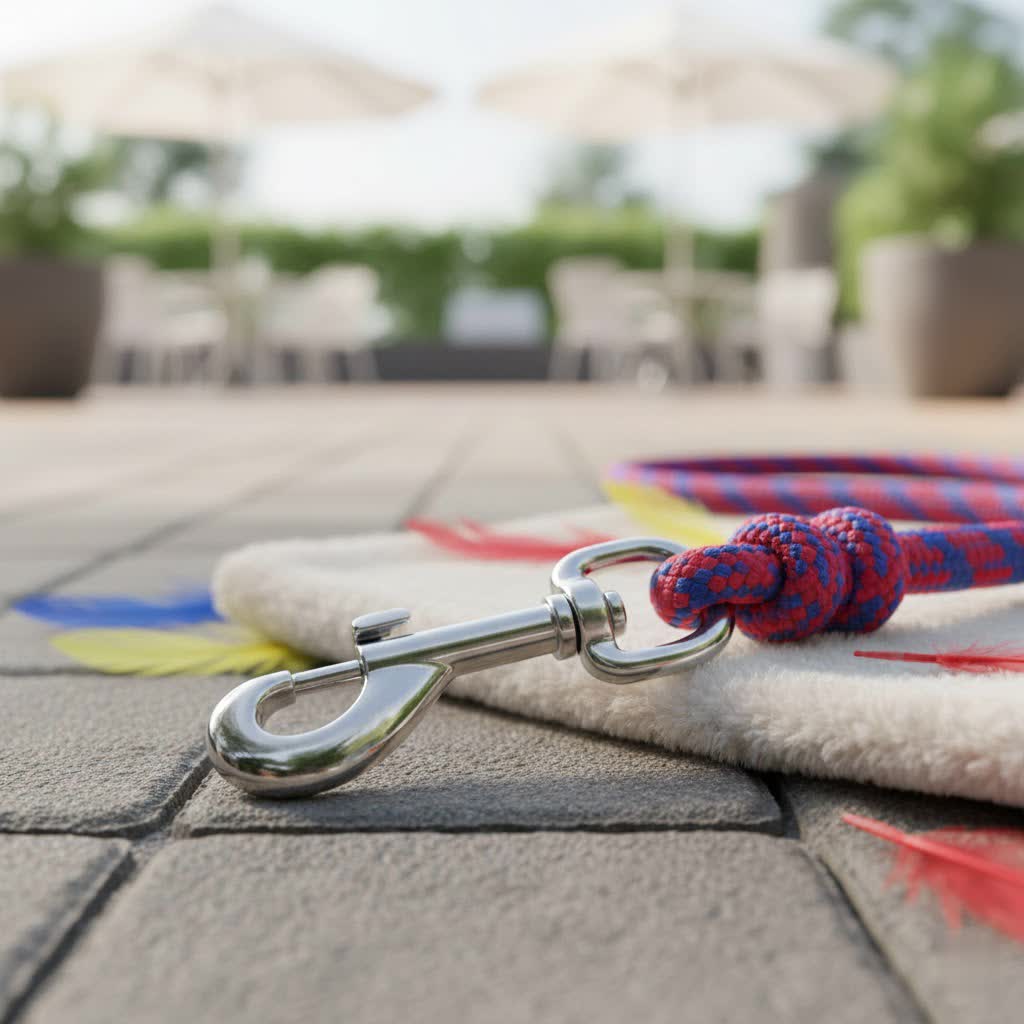
The dream of watching your dog run freely, unburdened by a leash, is one many owners share. It conjures images of joyful exploration, boundless energy, and an uninhibatched connection with nature. However, allowing your Dog Off Leash isn’t just about giving them freedom; it’s about embracing a significant responsibility that impacts your dog, other people, other animals, and the environment. Achieving safe and enjoyable off-leash experiences requires careful preparation, consistent training, and a deep understanding of local regulations and proper etiquette. This guide will walk you through everything you need to know to pursue off-leash adventures responsibly with your canine companion.

Understanding Off-Leash Freedom: Benefits and Risks
The concept of a “dog off leash” simply means a dog operating without a physical tether to its handler, often in designated areas or under exceptional circumstances. Historically, dogs roamed freely, and for many, this remains their natural inclination, offering them a unique way to interact with the world through scent and movement.
The Benefits of Unrestricted Movement
Allowing a well-trained dog off leash offers numerous advantages for their physical and mental well-being:
- Enhanced Physical Exercise: Dogs can run, sprint, play, and explore at their own pace, burning off accumulated energy more effectively than on a leashed walk. This freedom promotes better muscle and bone development.
- Mental Stimulation: Unrestricted sniffing and exploration engage a dog’s natural instincts, releasing dopamine and serotonin, leading to a happier and more content dog. They develop the ability to make independent decisions and respond positively to various stimuli.
- Improved Socialization: Off-leash interactions can reduce “barrier frustration” often experienced by dogs on leashes, allowing for more natural body language and communication with other canines. This can build a dog’s confidence in social settings.
- Stronger Bond: When a dog reliably returns to you despite distractions, it reinforces trust and strengthens the bond between you and your pet. This demonstrates a deep level of communication and understanding.
|
Our Picks for the Best Dog Leash in 2026
We may earn a commission when you use one of our links to make a purchase.
|
||
| Num | Product | Action |
|---|---|---|
| 1 | 2 Pack Dog Leash, 4/5//6 FT Heavy Duty Nylon Rope Pet Leashes with Comfortable Padded Handle, Reflective Dog Leashes for Small Medium and Large Dogs (5FT-1/2,Black/Black) |

|
| 2 | iYoShop Hands Free Dog Leash with Zipper Pouch, Dual Padded Handles and Durable Bungee for Walking, Jogging and Running Your Dog (Large, 25-120 lbs, Black) |
|
| 3 | 16Ft Retractable Dog Leash,Light Weight Leash for Small to Medium Dogs/Cats Up to 50lbs,Stainless Steel Spring Strong Nylon Tape, Tangle Free, One-Handed Brake.(Black) |
|
| 4 | Taglory Rope Dog Leash 6 FT with Comfortable Padded Handle, Highly Reflective Threads Leash for Medium Large Dogs, 1/2 inch, Black |
|
| 5 | Joytale Dog Leash, 6 FT Double-Sided Reflective, Padded Handle Nylon Heavy Duty Leashes for Medium & Large Dogs Walking, Black |
|
| 6 | Frienda 30ft Galvanized Heavy Duty Dog Chain Tie out Heavy Duty Chain 3mm Chew Proof with 2 Safety Clips Rust Resistant Outdoor Dog Leash for Yard Camping Hiking Park Travel 440lbs Break Strength |
|
| 7 | Fida Retractable Dog Leash, 16 ft Dog Walking Leash for Small Dogs up to 26 lbs, 360° Tangle Free, Black |
|
| 8 | 26Ft Retractable Dog Leash, Heavy Duty Great Leash for Dog up to 110 lbs, Anti-Slip Rubberized Handle, One-Handed Brake, Strong Nylon Tape, Tangle Free(Large Size). |
|
| 9 | Hands Free Dog Leash, Adjustable Waist Leash for Dog, Handle Bungee 4.2-6.7 Feet Long with Reflective Stitches for Walking Hiking Running, Fits 26"- 43" Waist, Black & Blue |
|
| 10 | Joytale Tactical Dog Leash Heavy Duty, 4-6FT Shock Absorbing Bungee Lead with 2 Padded Handle, Metal Carabiner Clip, Car Seatbelt, Strong No Pull Leash for Medium Large X-Large Dogs, Coyote Brown |
|
The Inherent Challenges and Risks
Despite the benefits, off-leash activity carries significant risks that responsible owners must mitigate. Safety is paramount, not only for your dog but also for others.
- Safety Concerns: An off-leash dog is vulnerable to running into traffic, encountering aggressive dogs or wildlife, or ingesting poisonous plants or other dangerous substances. In remote areas, there’s also the risk of snake bites or other animal encounters.
- Legal Repercussions: Many areas have strict leash laws, and violations can lead to hefty fines, impoundment of your dog, or even a “dangerous animal” classification, which carries severe consequences. Owners can be held liable for any injury or damage caused by an off-leash dog.
- Negative Interactions: Not all people are comfortable around dogs (a fear known as cynophobia), and an off-leash dog approaching them can cause anxiety or confrontation. Similarly, some dogs are reactive or aggressive, and an uninvited off-leash approach can trigger an incident, leading to injuries for either dog.
- Loss of Control: Even the best-behaved dogs can get distracted by a strong scent or prey drive, leading them to wander off and become lost or put themselves in dangerous situations.
Is Your Dog Ready? A Responsible Off-Leash Checklist
Before considering off-leash privileges, an honest assessment of your dog’s training, temperament, and your control over them is crucial. This isn’t a goal for every dog, and forcing it can lead to unfortunate outcomes.
The Foundation: Reliable Recall
The single most important command for any off-leash dog is a rock-solid recall. Your dog must come to you immediately, every single time, regardless of distractions. This isn’t just a convenience; it’s a life-saving skill. Practice this command diligently in various environments, always rewarding promptly with high-value treats and enthusiastic praise.
Essential Obedience Commands
Beyond recall, a few other commands are indispensable for off-leash safety:
- “Down” from a Distance: This command can stop your dog in their tracks, preventing them from running into danger like a busy road or an unexpected encounter.
- “Stay”: Teaches impulse control and allows you to create distance or manage situations.
- “Leave It”: Prevents your dog from investigating or ingesting potentially harmful objects or approaching unwanted stimuli.
- “Heel” or “Side”: Ensures your dog can walk calmly beside you when needed, even without a leash.
Temperament and Socialization
A dog ready for off-leash freedom should exhibit:
- Non-Aggressive Behavior: Your dog must be friendly and well-socialized with both other dogs and people. Any history of aggression means off-leash activities are not suitable.
- Low Prey Drive (or well-managed): Dogs with a strong prey drive may find it impossible to ignore squirrels, rabbits, or deer, making them unreliable off-leash in natural environments.
- Responsiveness and Awareness: Your dog should be generally attentive to you and aware of their surroundings, not easily overwhelmed or prone to bolting when startled.
The On-Leash Test
A fundamental rule is that your dog must be 100% reliable on a leash before attempting off-leash freedom. This means no pulling, consistent response to commands, and calm behavior in various environments. Start training with a longer leash to gradually increase their sense of freedom while maintaining control, eventually moving to a long line. Test their reliability in safe, fenced areas before venturing into open, unfenced spaces.
Training for Off-Leash Success
Achieving off-leash reliability is a journey that requires patience, consistency, and positive reinforcement. It’s about building a strong communication channel and ensuring your dog chooses to stay with you.
Building Blocks of Training
- Start Indoors: Begin recall and basic obedience training in a low-distraction environment, like your living room. Use an upbeat tone and high-value treats to make coming to you the most rewarding experience.
- Practice in Fenced Areas: Once reliable indoors, move to a securely fenced yard or a quiet, enclosed dog park. This allows you to increase distractions while maintaining safety.
- Utilize a Long Line: A long training line (15-50 feet) is an invaluable tool for bridging the gap between on-leash and off-leash. It allows your dog more freedom to explore while you retain a safety net. Practice “loose-line” walking, ensuring the line is not constantly taut, so your dog feels off-leash.
- Proofing Commands: Gradually introduce more distractions and new environments. Your dog needs to understand that “come” or “stay” means the same thing, whether at home, in the park, or near other dogs. Consistency is paramount—always reward immediate responses.
- Positive Reinforcement: Make returning to you or obeying a command a “party.” Use enthusiastic praise, exciting toys, and irresistible treats. Avoid scolding if your dog doesn’t come immediately; instead, guide them back to you and reward them for re-engaging. If they fail, go back to a less distracting environment.
- “Hide and Seek”: In safe, open areas, try hiding from your dog when they wander a bit too far. This encourages them to check in with you regularly and reinforces the idea that you are the most interesting (and reliable) thing in their environment.
Seeking Professional Guidance
While self-training is possible, especially for experienced owners, professional dog trainers can offer invaluable expertise. They can assess your dog’s temperament, identify specific challenges, and provide tailored strategies for off-leash training, including the proper use of tools like e-collars if deemed appropriate by a certified professional.
Navigating Off-Leash Laws and Etiquette
Responsible off-leash ownership extends beyond training; it demands adherence to local laws and a strong understanding of community etiquette. Ignorance of the law is not an excuse and can lead to serious consequences.
Understanding Leash Laws
Leash laws vary significantly by city, county, and state. In many urban and suburban areas, dogs are generally required to be on a leash in public spaces such as streets, sidewalks, and non-designated parks. For example, in Oklahoma City, dogs are considered “at large” if not under direct physical control or confined on private property. Violating these laws can result in fines, impoundment, and even having your dog classified as “dangerous.” Always research and understand the specific leash laws in your area and any places you visit.
Designated Off-Leash Areas
Many communities provide designated off-leash dog parks or trails where dogs can legally roam freely. These areas are a privilege and come with their own set of rules:
- Supervision: Always supervise your dog. An attentive owner should be present at all times.
- Waste Pickup: Immediately clean up after your dog. This is a non-negotiable aspect of responsible pet ownership.
- ID and Vaccinations: Ensure your dog wears current identification tags, including rabies vaccination tags.
- No Aggression: Dogs with a history of aggression towards humans or other animals should never be brought to off-leash parks.
- Respect Restrictions: Be aware that certain public spaces, such as playgrounds, school grounds, farmers’ markets, and public events, are generally not off-leash zones.
Off-Leash Etiquette
Good manners are crucial for positive experiences in off-leash settings:
- Voice Control is Key: Your dog must remain within sight and reliable voice control at all times. If you can’t recall them instantly, they shouldn’t be off-leash.
- Respect Personal Space: Not every dog or person wants to interact. If you see someone approaching, especially with a leashed dog, it’s courteous to call your dog back and leash them or move aside.
- No Resource Guarding: Avoid bringing food or treats that might cause conflict among unfamiliar dogs.
- Monitor Play: Keep a close eye on your dog’s interactions. If play becomes too rough, or if your dog seems overwhelmed or becomes overly excited, intervene and remove them from the situation.
- Prevent Damage: Do not allow your dog to dig or damage property within off-leash areas.
- Limit Dogs Per Person: Some dog parks restrict the number of dogs a single person can supervise (e.g., no more than three dogs).
“Off-leash freedom is a wonderful gift you can give your dog, but it’s a gift earned through consistent training and responsible ownership. Without a solid recall and an understanding of appropriate behavior, that freedom can quickly turn into a dangerous liability.” – Jane Doe, Certified Professional Dog Trainer
Essential Gear for Safe Off-Leash Adventures
While the goal is “no leash,” certain gear can enhance safety and success during off-leash training and excursions.
- Identification Tags: Always equip your dog with a collar bearing current ID tags with your contact information and rabies vaccination tags. Noiseless tags can be a good option.
- Collapsible Water Bowl: Essential for hydration on any adventure, especially when off-leash where dogs expend more energy.
- Blinking Lights or High-Visibility Gear: If you’re venturing out during dawn, dusk, or in low-light conditions, high-visibility vests or clip-on blinking lights can help you keep track of your dog and make them visible to others.
- GPS Tracker: For peace of mind, especially if your dog has a tendency to wander or has a high prey drive. These small devices attach to your dog’s collar and allow you to track their location.
- Training Pouch: A hands-free treat pouch is invaluable for quick and consistent rewarding during training sessions.
- Long Training Lines: As mentioned, these are excellent tools for intermediate training, allowing your dog to feel off-leash while you maintain control.
- Eco-Friendly Poop Bags: Always carry plenty and use them. Consider a small dry bag to carry full waste bags to contain odors until disposal.
- K9 Sling (Emergency): For serious adventurers, a K9 sling or rescue harness can be a literal lifesaver, allowing you to carry an injured dog out of remote areas.
Conclusion
The joy of seeing your dog revel in off-leash freedom is truly rewarding. It offers immense benefits for their physical health, mental well-being, and strengthens the unique bond you share. However, this freedom comes with significant responsibilities. By committing to comprehensive training, prioritizing a reliable recall, understanding and adhering to local leash laws, and practicing impeccable off-leash etiquette, you can create safe and enriching experiences for your canine companion and everyone around them. Remember, off-leash privileges are earned through consistent effort and unwavering commitment to responsible pet ownership.
Are you ready to embark on this journey and unlock a new level of freedom and adventure with your beloved dog?
Frequently Asked Questions
Is it legal to walk my dog off leash everywhere?
No, leash laws vary widely by location. Most cities and counties require dogs to be on a leash in public spaces like sidewalks, streets, and non-designated parks. Always check local ordinances for specific rules and designated off-leash areas before letting your dog run free.
What is the most important command for off-leash dogs?
A reliable recall is the most crucial command. Your dog must come back to you immediately, every single time you call, regardless of distractions. This command is essential for their safety and for maintaining control in any situation.
How long does it take to train a dog for off-leash?
The time it takes varies greatly depending on the dog’s age, breed, temperament, prior training, and the owner’s consistency. It can range from several months to over a year of dedicated, daily practice, starting in low-distraction environments and gradually increasing challenges.
Can all dogs be trained for off-leash?
While many dogs can achieve some level of off-leash reliability, it’s not a realistic goal for every dog. Factors like a strong prey drive, fear, aggression, or a highly independent temperament can make reliable off-leash control very challenging or even impossible for safety reasons.
What are the dangers of letting my dog off leash?
Dangers include running into traffic, negative encounters with other dogs or wildlife, getting lost, ingesting toxic substances, and causing injury to people. Owners can also face legal penalties, including fines and liability for any incidents involving their off-leash dog.
What gear should I have for off-leash walks?
Essential gear includes identification tags, a collapsible water bowl, and eco-friendly poop bags. For enhanced safety and training, consider a GPS tracker, high-visibility lights or vests, a training pouch for treats, and a long training line for developing recall skills.