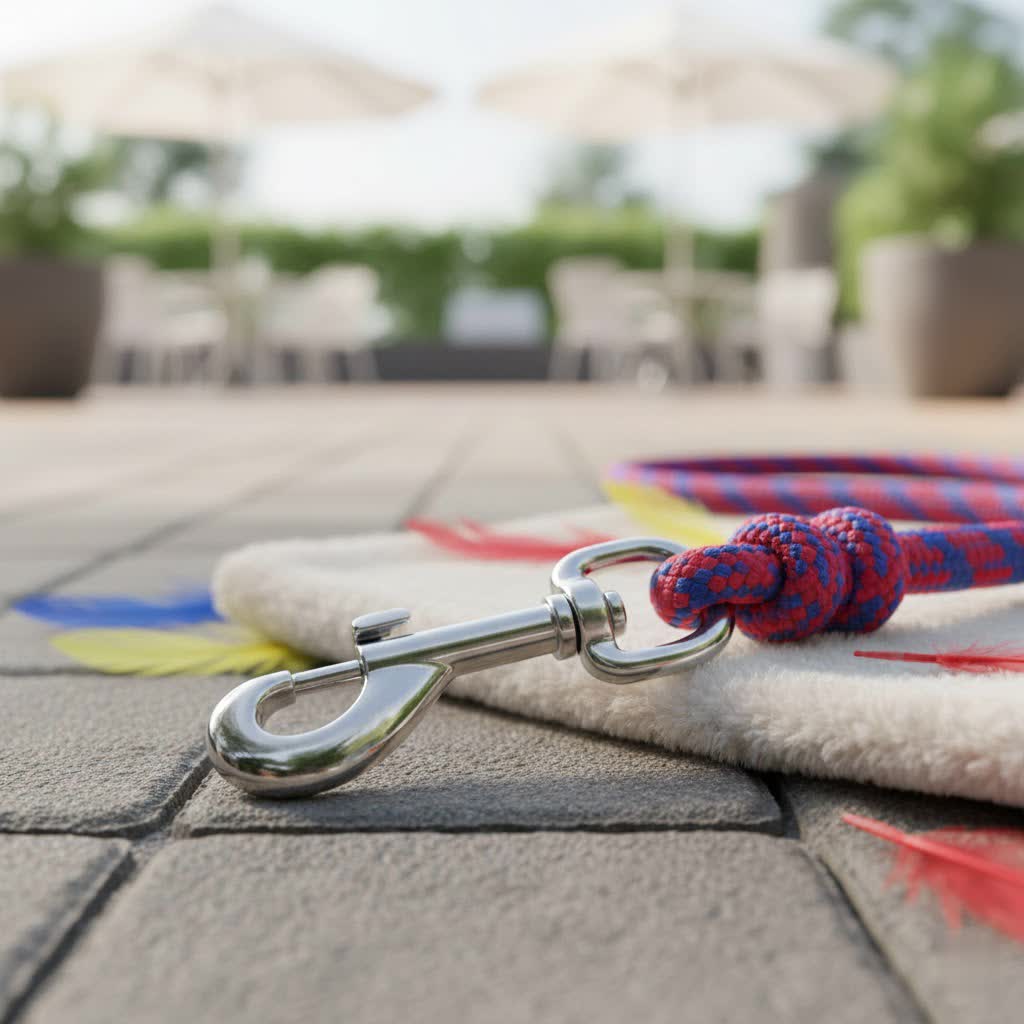
For dog owners who value both functionality and a distinctive aesthetic, the Rope Dog Leash has emerged as a top choice. Drawing inspiration from the strength and reliability of climbing ropes, these leashes offer a unique blend of durability, comfortable handling, and a ruggedly stylish appeal. Whether you’re navigating bustling city streets or exploring scenic trails, selecting the right leash is paramount for your dog’s safety and your peace of mind. This comprehensive guide will explore everything you need to know about rope dog leashes, from their diverse materials and benefits to choosing the perfect one for your beloved companion.
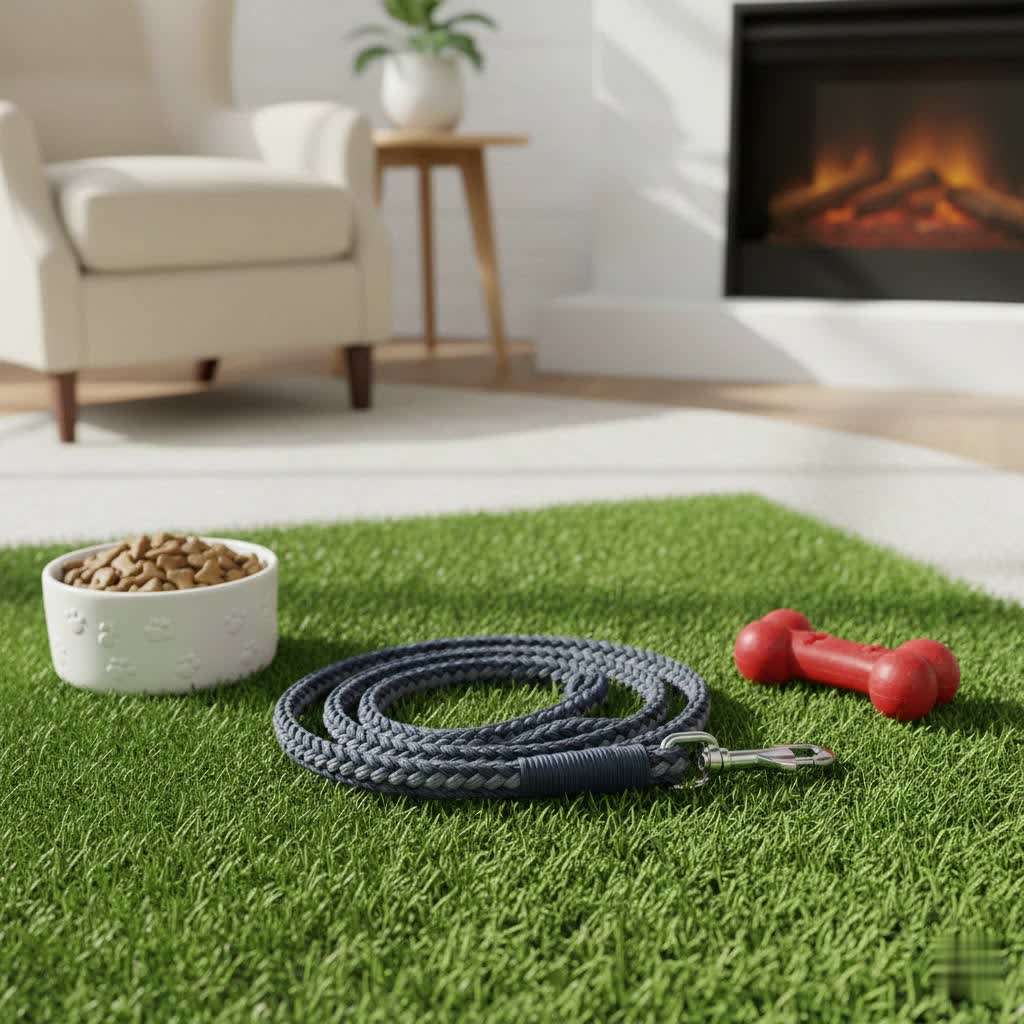
What is a Rope Dog Leash and Why Are They Important?
A rope dog leash is, at its core, a walking aid constructed from various rope materials, often resembling or directly repurposed from climbing ropes. These leashes are designed to provide a strong, secure connection between you and your dog, essential for maintaining control and ensuring their safety in diverse environments. Beyond mere functionality, a quality rope leash facilitates effective communication during walks, allowing you to guide your dog gently and consistently. The importance of a reliable leash cannot be overstated; it prevents your dog from straying into dangerous situations, aids in training, and ensures adherence to leash laws, fostering a safer experience for everyone.
Types of Dog Leashes: Where Rope Leashes Fit In
The world of dog leashes offers a wide array of options, each with specific features. Understanding where rope leashes stand among them can help you make an informed decision.
- Standard Flat Leash: Typically made from nylon webbing or leather, these are the most common leashes. They offer straightforward control and are versatile for everyday use.
- Retractable Leash: These leashes allow your dog a considerable range of motion. However, they can be challenging to control, potentially leading to sudden jerks, entanglement hazards, and increasing the risk of “leash burn” if not handled correctly. Many trainers advise against them due to safety concerns and their tendency to encourage pulling.
- Training Leash (Long Line): Often much longer than standard leashes (10-30 feet), long lines are used for recall training or allowing your dog more freedom in open, safe areas. Rope leashes, particularly longer ones, can effectively serve this purpose.
- Multi-functional/Adjustable Leash: Designed with multiple clips and rings, these leashes can be adjusted in length, used hands-free, or even for walking two dogs. Some rope leashes incorporate these adjustable features.
Rope leashes stand out with their distinct texture and construction. Unlike flat leashes, their rounded profile often feels more comfortable in hand, and their inherent strength is a significant advantage, especially for dogs that tend to pull. They offer a balance of aesthetic appeal and robust performance, making them a favored choice for active dogs and their owners.
Deep Dive into Rope Dog Leashes: Materials, Pros, and Cons
The material of a rope dog leash dictates much of its performance, comfort, and durability. The most common types are nylon and cotton.
- Nylon Rope Leashes:
- Pros: Nylon is exceptionally strong, resistant to abrasion, and holds up well against various weather conditions. It’s a popular choice for outdoor adventures and for dogs that are strong pullers due to its inherent toughness. Nylon ropes are also available in a vast array of vibrant colors.
- Cons: While durable, thinner nylon ropes can cause “leash burn” if a dog pulls suddenly and the leash slips through your hand. They can also absorb water, becoming heavier when wet and taking longer to dry, which might be a consideration in damp climates.
- Cotton Rope Leashes:
- Pros: Cotton rope leashes are known for their soft, natural feel, making them very comfortable to hold, even with a strong puller. They provide good grip, even when slightly wet, and are environmentally friendly and biodegradable. Their aesthetic is often more natural and artisanal.
- Cons: Cotton absorbs water more readily than synthetic materials, which can lead to it becoming heavier and potentially prone to mildew if not dried properly. It may also fade or stiffen over time if exposed to excessive moisture or UV light, and is generally less resistant to chewing compared to nylon.
- Other Materials (Polyester, Polypropylene): Polyester and polypropylene ropes are also used for dog leashes, offering good strength, weather resistance, and often quick-drying properties, similar to nylon but with slightly different tactile qualities.
- Re-purposed Climbing Rope: Many premium rope leashes are crafted from actual climbing rope. These often utilize “dynamic” ropes, which have a slight stretch designed to absorb shock. This elasticity can significantly reduce the impact on both the dog’s neck and the handler’s arm during sudden lunges or pulls, offering a more comfortable experience.
Comparison Table: Types of Dog Leashes
| Leash Type | Key Characteristics | Advantages | Disadvantages | Best Suited For |
|---|---|---|---|---|
| Standard Flat (Nylon/Leather) | Simple, common, flat design | Easy to use, good control, affordable | Less forgiving on hands with strong pullers | Everyday walks, basic training |
| Retractable Leash | Variable length, spring-loaded | More freedom for dog to explore | Difficult control, entanglement risk, safety concerns | Highly trained dogs, very open spaces (with caution) |
| Training Leash (Long Line) | Extended length (10+ ft) | Great for recall training, extended exploration | Can be cumbersome, tangles easily | Training, secure large open areas |
| Rope Leash (Nylon/Cotton) | Rounded, durable, strong knotting | Comfortable grip, good for pullers, aesthetic | Can be heavy when wet, some risk of rope burn | Active dogs, outdoor adventures, strong pullers |
| Multi-functional/Adjustable | Multiple clips/rings, adjustable length | Versatile for different uses, hands-free options | Can be more complex to use | Various activities, multi-dog households |
How to Choose the Perfect Rope Dog Leash
Selecting the ideal rope dog leash involves considering several factors to ensure it meets both your and your dog’s needs.
- Material Matters: If durability and weather resistance are top priorities, a high-quality nylon rope leash or one made from re-purposed dynamic climbing rope is an excellent choice. Look for certifications like UIAA or CE if opting for climbing rope, indicating it meets stringent safety standards. For a softer feel and eco-friendliness, cotton rope leashes are a superb option.
- Optimal Length: Most standard rope leashes range from 4 to 6 feet, providing a good balance of control and freedom for daily walks and basic training. Longer rope leashes (8-15 feet) are beneficial for advanced training, hiking, or allowing more exploration in safe, open areas.
- Diameter and Thickness: The leash’s diameter should correspond to your dog’s size and pulling strength. For smaller dogs or those that don’t pull much, a thinner rope (under 8.5mm) is lighter and more comfortable. For large dogs or strong pullers, a thicker rope (9.5mm or more, or around 3/8 inch) offers a more secure grip and better control.
- Hardware Quality: Always check the leash’s clips and clasps. They should be robust, made from rust-proof metal (like solid brass or strong aluminum), and easy to operate with one hand while securely attaching to your dog’s collar or harness.
- Handle Comfort: A comfortable handle is crucial, especially if your dog pulls. Many rope leashes feature padded handles (e.g., with foam or neoprene) that prevent “leash burn” and reduce hand fatigue during longer walks.
- Reflectivity: For enhanced safety during early morning or evening walks, consider rope leashes with reflective stitching or materials to increase visibility to others.
Reputable Dog Leash Brands
While many brands produce quality leashes, a few stand out for their commitment to durability, design, and safety. Brands like PetSafe, Ruffwear, Kong, and Blueberry Pet are widely recognized for their reliable dog accessories, including various leash styles. For rope-specific leashes, many smaller, artisanal brands also offer high-quality, handcrafted options, often utilizing climbing-grade materials. When selecting a brand, prioritize those that emphasize strong materials, secure hardware, and positive customer reviews, regardless of whether they specialize solely in rope leashes.
Tips for Using and Caring for Your Rope Dog Leash
Proper use and maintenance will extend the life of your rope dog leash and ensure continued safety for your pet.
- Proper Handling: Always maintain a relaxed yet firm grip on the leash. Utilize padded handles to distribute pressure and prevent discomfort if your dog lunges. Avoid wrapping the leash around your hand or wrist, as this can cause injury.
- Cleaning: Rope leashes can collect dirt and odors. For most rope leashes, hand washing is recommended. Use mild soap (or a pet-friendly cleanser) and warm water, gently scrubbing with a soft brush, then rinsing thoroughly to remove all soap residue. If the manufacturer states it’s machine washable, place it in a garment bag on a delicate cycle with mild detergent to protect the hardware.
- Drying: After washing, air dry your leash completely. Lay it flat or hang it in a well-ventilated, shaded area. Avoid direct sunlight or using a machine dryer, as excessive heat can weaken rope fibers and damage hardware.
- Storage: Store your clean, dry rope leash coiled neatly in a dry place, away from direct sunlight and extreme temperatures. This prevents kinks, tangles, and material degradation.
- Safety Checks: Before each walk, quickly inspect your leash for any signs of wear, such as fraying, cuts, or weakened hardware. If you notice significant damage, it’s safer to replace the leash to prevent unexpected breakages.
“A well-chosen rope leash isn’t just a tool; it’s an extension of your bond with your dog, providing both security and the freedom to explore the world together.”
Where to Purchase Your Rope Dog Leash
Rope dog leashes are available from various retailers, making it easy to find one that suits your preferences. You can typically find them at:
- Specialty Pet Stores: Many local and national pet stores carry a selection of rope leashes, allowing you to feel the material and assess the quality in person.
- Outdoor Gear Retailers: Stores specializing in hiking or climbing gear may offer high-quality rope leashes, especially those made from genuine climbing rope.
- Online Marketplaces: Websites like Amazon, Chewy, or dedicated pet supply e-commerce sites provide a vast selection. When buying online, always check product descriptions for material details, dimensions, and customer reviews. Pay attention to the seller’s return policy and look for any mentioned certifications for climbing-grade ropes.
Conclusion
Choosing the right rope dog leash is an investment in your dog’s safety, your control, and the overall enjoyment of your shared adventures. With their robust construction, comfortable grip, and stylish appeal, rope leashes offer a compelling alternative to traditional options. By carefully considering the material, length, diameter, and hardware quality, you can select a leash that stands up to the rigors of daily use and keeps you confidently connected to your canine companion. From a casual stroll in the park to an ambitious mountain hike, a well-matched rope leash empowers you to explore with confidence and style. Invest in a high-quality rope leash today and transform your daily walks! What adventures will you and your furry companion embark on next with your new rope leash?
Frequently Asked Questions
Are rope leashes better for dogs that pull?
|
Our Picks for the Best Dog Leash in 2026
We may earn a commission when you use one of our links to make a purchase.
|
||
| Num | Product | Action |
|---|---|---|
| 1 | Hands Free Dog Leash, Adjustable Waist Leash for Dog, Handle Bungee 4.2-6.7 Feet Long with Reflective Stitches for Walking Hiking Running, Fits 26"- 43" Waist, Black & Blue |

|
| 2 | Joytale Tactical Dog Leash Heavy Duty, 4-6FT Shock Absorbing Bungee Lead with 2 Padded Handle, Metal Carabiner Clip, Car Seatbelt, Strong No Pull Leash for Medium Large X-Large Dogs, Coyote Brown |
|
| 3 | Taglory Rope Dog Leash 6 FT with Comfortable Padded Handle, Highly Reflective Threads Leash for Medium Large Dogs, 1/2 inch, Black |
|
| 4 | Fida Retractable Dog Leash, 16 ft Dog Walking Leash for Small Dogs up to 26 lbs, 360° Tangle Free, Black |
|
| 5 | 16Ft Retractable Dog Leash,Light Weight Leash for Small to Medium Dogs/Cats Up to 50lbs,Stainless Steel Spring Strong Nylon Tape, Tangle Free, One-Handed Brake.(Black) |
|
| 6 | Joytale Dog Leash, 6 FT Double-Sided Reflective, Padded Handle Nylon Heavy Duty Leashes for Medium & Large Dogs Walking, Black |
|
| 7 | iYoShop Hands Free Dog Leash with Zipper Pouch, Dual Padded Handles and Durable Bungee for Walking, Jogging and Running Your Dog (Large, 25-120 lbs, Black) |
|
| 8 | Frienda 30ft Galvanized Heavy Duty Dog Chain Tie out Heavy Duty Chain 3mm Chew Proof with 2 Safety Clips Rust Resistant Outdoor Dog Leash for Yard Camping Hiking Park Travel 440lbs Break Strength |
|
| 9 | 2 Pack Dog Leash, 4/5//6 FT Heavy Duty Nylon Rope Pet Leashes with Comfortable Padded Handle, Reflective Dog Leashes for Small Medium and Large Dogs (5FT-1/2,Black/Black) |
|
| 10 | 26Ft Retractable Dog Leash, Heavy Duty Great Leash for Dog up to 110 lbs, Anti-Slip Rubberized Handle, One-Handed Brake, Strong Nylon Tape, Tangle Free(Large Size). |
|
Rope leashes can be a good option for dogs that pull, particularly those made from dynamic climbing rope, which offers a slight stretch to absorb shock. The rounded profile and comfortable grip of many rope leashes can also make them easier on your hands compared to thin, flat leashes. However, proper training remains the most effective solution for pulling.
How long should a rope dog leash be?
For most daily walks and basic obedience training, a rope leash between 4 to 6 feet in length is ideal. This length provides enough room for your dog to explore safely while allowing you to maintain close control. For activities like hiking or recall training in open areas, a longer rope leash (8-15 feet) can offer more freedom.
Can I machine wash my rope dog leash?
Many rope dog leashes are machine washable, especially those made from synthetic materials like nylon. It’s best to place the leash in a garment bag and wash it on a delicate cycle with mild detergent and cool water to protect the hardware and fibers. Always check the manufacturer’s care instructions first. After washing, air dry completely away from direct sunlight.
What is climbing rope leash certification?
Climbing rope leash certification, such as UIAA (International Climbing and Mountaineering Federation) or CE (Conformité Européenne), indicates that the rope material meets specific international safety and performance standards for climbing equipment. If a rope leash claims to be made from climbing rope, these certifications can assure you of its strength and durability.
How often should I replace my rope leash?
The lifespan of a rope leash depends on its material, frequency of use, and your dog’s habits. Regularly inspect your leash for signs of wear such as fraying, thinning, cuts, or damaged hardware. If you notice any significant degradation that could compromise its strength or safety, it’s time to replace it. For active dogs or frequent use, checking monthly and replacing annually or bi-annually might be prudent.