As someone with over a decade of experience navigating the world of canine companions and their essential gear, I’ve had my hands on countless leashes. From the basic nylon strap to the most innovative designs, each has its place. However, when it comes to combining unparalleled durability with comfort and a distinct aesthetic, the climbing rope dog leash stands out as a true game-changer for active dogs and their owners.
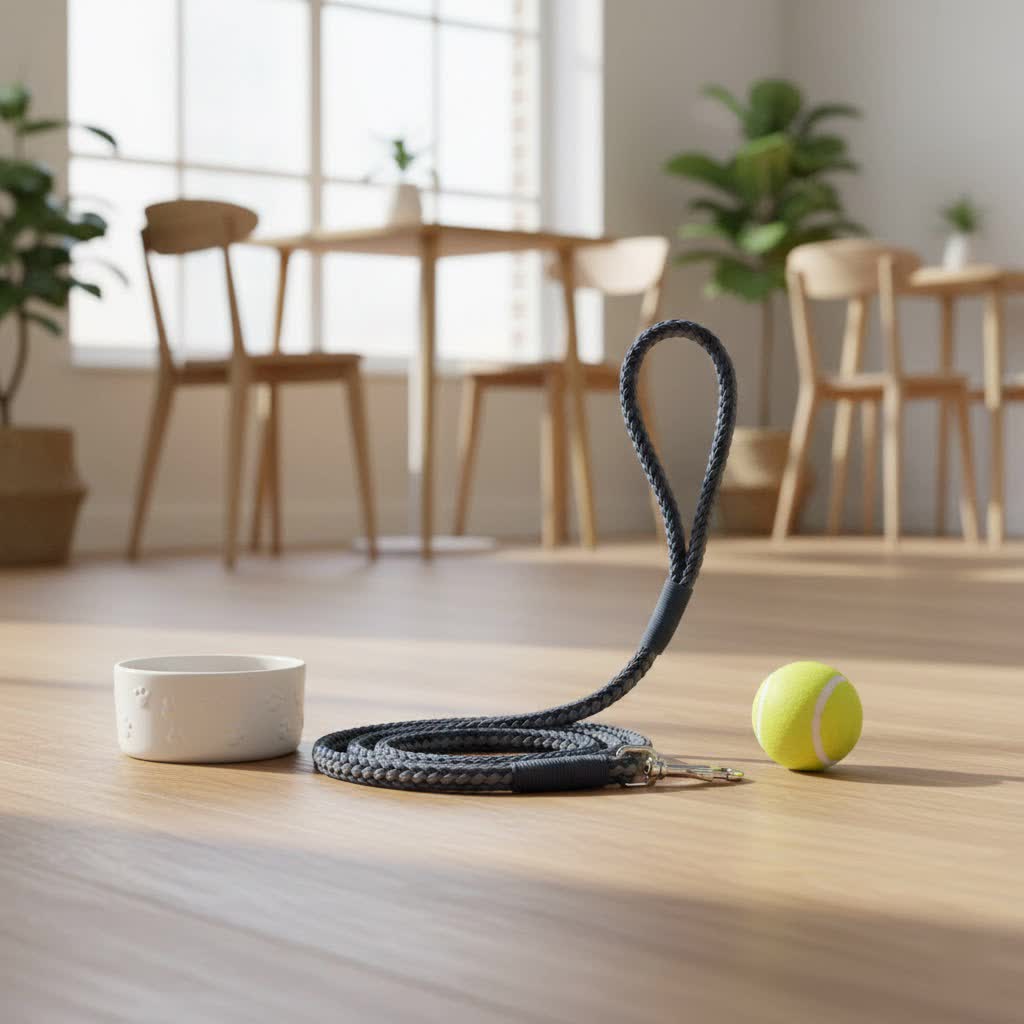
But what makes a climbing rope dog leash so special, and is it the right choice for your four-legged friend? These leashes aren’t just a trend; they offer a robust solution rooted in the demanding world of mountaineering. Crafted from the same high-performance materials climbers trust their lives with, these leashes bring that same level of reliability and security to your daily walks and grand adventures. This comprehensive guide will delve into everything you need to know about climbing rope dog leashes, helping you make an informed decision for your beloved canine.
What Are Climbing Rope Dog Leashes and Why Are They Important?
A climbing rope dog leash is exactly what it sounds like: a dog leash constructed from actual climbing rope. This isn’t just a stylistic choice; it’s a fundamental difference in material and engineering. True climbing ropes are typically “kernmantle” ropes, meaning they have a tightly woven outer sheath (kern) that protects an inner core (mantle) of braided nylon filaments. This construction provides extraordinary strength, resistance to abrasion, and a degree of elasticity.
The importance of using a high-quality leash cannot be overstated for both safety and control. A reliable leash is your primary connection to your dog, preventing escapes, ensuring their safety in busy environments, and facilitating effective communication during walks and training. For dogs that pull, lunge, or are simply full of exuberance, a standard leash can quickly wear out or even snap, creating dangerous situations. Climbing rope leashes address these concerns directly, offering peace of mind through their inherent strength and robust design. They are particularly vital for active dogs and owners who frequently explore challenging terrains, from mountain trails to bustling city parks.
Understanding Different Types of Climbing Rope Dog Leashes
While all climbing rope leashes share the foundational strength of their material, they often come with variations in design and features to suit different needs. Unlike the broad categories of standard, retractable, or training leashes, variations in climbing rope leashes typically focus on length, handle configuration, and specialized hardware.
- Standard Clip Leash: This is the most common type, featuring a simple loop handle and a secure clip (often a carabiner or swivel clip) for attachment to your dog’s collar or harness. These are versatile for everyday walks and adventures, offering excellent control and durability.
- Hands-Free Leashes: Designed for runners, hikers, or individuals who prefer to keep their hands free, these leashes typically have a loop or adjustable mechanism that can be worn around the waist or shoulder. They still utilize climbing rope for strength but offer enhanced freedom of movement for the handler.
- Slip Leashes: While less common in pure climbing rope form, some designs incorporate the rope material into a slip-lead style, often used for quick control or certain training scenarios. These should be used with caution and proper training to avoid discomfort for the dog.
- Multi-functional or Adjustable Leashes: Some climbing rope leashes offer adjustable lengths, allowing you to quickly switch between a shorter lead for close control and a longer one for more freedom. Others may include additional rings or clips, enabling them to be used in various configurations, such as tethering or walking two dogs.
- Leashes with Traffic Handles: Many premium climbing rope leashes include a secondary loop closer to the clip. This “traffic handle” provides immediate, close-quarter control, essential for navigating crowded streets or when encountering other dogs.
Comparing Climbing Rope Leashes with Other Popular Types
To truly appreciate the advantages of a climbing rope dog leash, it’s helpful to see how it stacks up against more traditional options like flat nylon or leather leashes.
| Feature | Climbing Rope Leash | Standard Flat Webbing Leash (Nylon) |
|---|---|---|
| Material | Kernmantle nylon climbing rope (dynamic or static), often recycled. | Flat nylon, polyester webbing, or leather. |
| Strength | Exceptional, engineered for heavy loads; highly reliable for strong pullers. | Good for most dogs; can fray or break under extreme, sustained pull. |
| Durability | High; resistant to abrasion, fraying, chewing, and harsh weather conditions. | Moderate; prone to wear, chewing, and fraying over time. |
| Comfort (Handler) | Rounded grip is comfortable; dynamic rope absorbs shock, reducing hand/shoulder strain. | Flat strap can cause leash burn if dog pulls hard, less shock absorption. |
| Comfort (Dog) | Shock absorption lessens abrupt jerks, more comfortable for the dog’s neck or harness. | Direct, abrupt impact on dog if no ‘give’ in the leash. |
| Safety Features | Secure, heavy-duty hardware (carabiners); often reflective elements for visibility. | Adequate for daily use; some reflective options available. |
| Aesthetics | Distinctive, rugged, and adventurous look; often vibrant and unique color patterns. | Wide variety of colors, patterns, and styles; generally conventional. |
| Eco-Friendliness | Many brands utilize upcycled/recycled climbing ropes, promoting sustainability. | Less common unless explicitly made from recycled materials. |
| Initial Cost | Generally higher due to specialized materials and construction. | Lower and more budget-friendly. |
| Longevity | Excellent; built to last many years with proper care, often comes with warranties. | Moderate; may require more frequent replacement, especially with active dogs. |
| Ideal Use | Strong pullers, chewers, active dogs, outdoor adventures (hiking, camping, running). | Daily walks, well-behaved dogs, general urban or suburban use. |
Your Guide to Choosing the Perfect Climbing Rope Dog Leash
Selecting the ideal climbing rope dog leash involves considering several factors to ensure it meets your dog’s needs and your lifestyle. My years of experience have taught me that the “best” leash is always the one that provides the most reliable connection and comfort for both ends of the leash.
Material: The Core of Strength and Safety
The quality of the climbing rope is paramount. Look for leashes made from kernmantle construction nylon climbing rope. The “kern” (core) provides tensile strength, while the “mantle” (sheath) protects it from abrasion.
- Dynamic vs. Static Rope: This is a crucial distinction. Dynamic ropes are designed to stretch slightly (typically 6-7% of their length) under sudden loads, absorbing shock. This “give” significantly reduces the impact on both your arm/shoulder and your dog’s neck during sudden pulls or lunges, making walks more comfortable and safer. Static ropes have very little stretch and are less ideal for dog leashes as they transfer full impact. Always opt for dynamic climbing rope if possible.
- Certification: For ultimate peace of mind, some manufacturers use ropes that are UIAA (International Climbing and Mountaineering Federation) or CE certified. This indicates the rope meets rigorous international safety standards, confirming it’s genuine climbing-grade material, not just decorative rope.
- Eco-Friendly Options: Many excellent brands utilize upcycled or recycled climbing ropes. This not only gives a second life to high-performance materials but also supports sustainable practices.
|
Our Picks for the Best Dog Leash in 2026
We may earn a commission when you use one of our links to make a purchase.
|
||
| Num | Product | Action |
|---|---|---|
| 1 | 16Ft Retractable Dog Leash,Light Weight Leash for Small to Medium Dogs/Cats Up to 50lbs,Stainless Steel Spring Strong Nylon Tape, Tangle Free, One-Handed Brake.(Black) |

|
| 2 | Joytale Tactical Dog Leash Heavy Duty, 4-6FT Shock Absorbing Bungee Lead with 2 Padded Handle, Metal Carabiner Clip, Car Seatbelt, Strong No Pull Leash for Medium Large X-Large Dogs, Coyote Brown |
|
| 3 | Fida Retractable Dog Leash, 16 ft Dog Walking Leash for Small Dogs up to 26 lbs, 360° Tangle Free, Black |
|
| 4 | iYoShop Hands Free Dog Leash with Zipper Pouch, Dual Padded Handles and Durable Bungee for Walking, Jogging and Running Your Dog (Large, 25-120 lbs, Black) |
|
| 5 | Taglory Rope Dog Leash 6 FT with Comfortable Padded Handle, Highly Reflective Threads Leash for Medium Large Dogs, 1/2 inch, Black |
|
| 6 | 26Ft Retractable Dog Leash, Heavy Duty Great Leash for Dog up to 110 lbs, Anti-Slip Rubberized Handle, One-Handed Brake, Strong Nylon Tape, Tangle Free(Large Size). |
|
| 7 | Joytale Dog Leash, 6 FT Double-Sided Reflective, Padded Handle Nylon Heavy Duty Leashes for Medium & Large Dogs Walking, Black |
|
| 8 | Frienda 30ft Galvanized Heavy Duty Dog Chain Tie out Heavy Duty Chain 3mm Chew Proof with 2 Safety Clips Rust Resistant Outdoor Dog Leash for Yard Camping Hiking Park Travel 440lbs Break Strength |
|
| 9 | Hands Free Dog Leash, Adjustable Waist Leash for Dog, Handle Bungee 4.2-6.7 Feet Long with Reflective Stitches for Walking Hiking Running, Fits 26"- 43" Waist, Black & Blue |
|
| 10 | 2 Pack Dog Leash, 4/5//6 FT Heavy Duty Nylon Rope Pet Leashes with Comfortable Padded Handle, Reflective Dog Leashes for Small Medium and Large Dogs (5FT-1/2,Black/Black) |
|
Rope Diameter: Comfort Meets Control
The thickness of the rope impacts both your grip comfort and the leash’s overall feel and strength.
- For small dogs or light pullers: A diameter under 8.5mm can be sufficient and lighter in hand.
- For medium-sized dogs (25-60 lbs): Ropes between 10mm and 12mm generally provide a good balance of strength and comfort.
- For large, extra-large dogs, or strong pullers: Opt for thicker ropes, typically 9.5mm and up, or even 12-15mm. These offer a more secure grip and can withstand greater force.
A good rule of thumb is to choose a diameter that feels comfortable and secure in your hand without being too thin (risking rope burn) or too thick (making it awkward to grip).
Leash Length: Tailoring to Your Adventures
The ideal leash length depends on your dog’s training level, your walking environment, and the activities you engage in.
- 4-6 feet (1.2m – 1.8m): This is the most popular length for daily walks, urban environments, and basic training. It provides good control and keeps your dog close.
- 8-15 feet (3m – 5m+): Longer leashes offer more freedom for exploration during hikes, park visits, or recall training in open spaces. Be mindful that more length requires more control from the handler.
- Traffic Handles: Consider leashes that include a secondary loop or handle closer to the clip. This allows for immediate, close control when navigating crowded areas or needing to quickly restrain your dog.
Clasps and Hardware: The Critical Connection
The hardware is just as important as the rope itself. It’s the point of failure if not robust.
- Carabiner Clips: Many climbing rope leashes feature auto-locking carabiners, offering an extremely secure attachment that prevents accidental unhooking. They are strong, durable, and often made from aviation-grade aluminum.
- Stainless Steel Swivel Clips: Look for heavy-duty, rust-resistant stainless steel swivel clips. The swivel mechanism prevents the leash from tangling, adding to comfort and ease of use. Ensure it’s sturdy enough for your dog’s size and strength, and easy to operate with one hand.
- Brass Hardware: Solid cast brass is another excellent choice, known for its strength and natural resistance to rust and corrosion.
Handle Design: Comfort for the Handler
A comfortable handle is essential for long walks and to prevent hand strain or rope burn, especially if your dog pulls.
- Padded Handles: Many quality leashes incorporate foam or neoprene padding into the handle, providing a soft, ergonomic grip.
- O-Rings: A metal O-ring near the handle can be a convenient feature for attaching accessories like poop bag holders, keys, or even clipping the leash around your shoulder when off-leash.
Esteemed Brands of Climbing Rope Dog Leashes
The market for climbing rope dog leashes has grown, with several brands earning reputations for quality, durability, and thoughtful design. Here are a few names worth considering:
- Ruffwear: A pioneer in performance dog gear, their “Knot-a-Leash” is highly regarded. It uses kernmantle rope, features a comfortable tubular webbing handle, and an auto-locking carabiner. Their leashes are known for their reflective properties and come in various diameters to suit different dog sizes.
- Atlas Pet Company: Known for their “Lifetime Leash,” which boasts dry-treated dynamic climbing rope, custom-designed clamps for repairability, and a stainless steel swivel clip. They emphasize longevity and offer a lifetime warranty.
- MountainDogProducts: Specializing in gear for dogs who pull, lunge, or chew, their leashes are handcrafted from real climbing rope. They offer a lifetime guarantee that even covers chewing, often using upcycled materials and assembled in the USA.
- Flowfold: Offers leashes made from recycled scraps of high-quality Sterling climbing rope, known for being lightweight yet strong and environmentally conscious.
- Wilderdog: A popular choice often recommended by trainers, Wilderdog produces climbing rope leashes known for their strength and vibrant colors, often with a focus on rescue dog support.
- Alchemy Goods: Focuses on sustainability, crafting durable and eco-friendly climbing rope leashes from upcycled materials in the USA.
- Wolf & I Co.: An Australian brand that uses dynamic 10-12mm climbing rope, emphasizing lightweight design, resistance to water, and low maintenance.
Essential Tips for Using and Maintaining Your Climbing Rope Dog Leash
Once you’ve chosen your ideal climbing rope leash, understanding how to use it effectively and care for it properly will ensure its longevity and your adventures remain safe and enjoyable.
Proper Handling for Optimal Control and Comfort
- The Right Grip: Always hold the leash firmly but comfortably. If your dog is a strong puller, consider wearing gloves to prevent rope burn, especially before your hands adapt to the rope’s texture.
- Avoid Wrist Wrapping: Never wrap the leash around your wrist, as a sudden pull can cause serious injury. Instead, create a loop with the handle and hold it securely with your fingers and palm.
- Utilize Traffic Handles: For busy areas or when needing quick control, use the secondary traffic handle to keep your dog close and safe.
- Stay Present: Always pay attention to your surroundings and your dog’s cues. Even the strongest leash can’t compensate for a distracted handler.
Keeping Your Leash in Top Condition
Climbing rope leashes are incredibly durable, but a little care goes a long way.
- Regular Cleaning: After muddy hikes or beach trips, simply rinse your leash with plain water to remove dirt, sand, or saltwater. For tougher stains, a mild soap can be used. Avoid harsh chemicals that could degrade the rope fibers.
- Air Dry Thoroughly: Always allow your leash to air dry completely before storing it. Hanging it loosely will prevent mildew and odors. Avoid direct sunlight for prolonged periods, as UV exposure can weaken nylon over time.
- Inspect Regularly: Before each use, quickly check the entire length of the rope for any signs of fraying, cuts, or damage. Inspect the hardware (clips, carabiners) for wear, rust, or any signs of malfunction. If you notice significant damage, it’s safer to replace the leash.
- Prevent Chewing: While many climbing rope leashes are chew-resistant, none are entirely chew-proof. If your dog is a chewer, supervise them closely and discourage chewing on the leash to maintain its integrity.
Where to Purchase Your Next Adventure Leash
Finding a high-quality climbing rope dog leash is easier than ever with numerous reputable retailers both online and in brick-and-mortar stores.
- Specialized Pet Gear Stores: Many independent pet boutiques and larger pet store chains carry a selection of premium dog gear, including climbing rope leashes. This allows you to feel the rope and inspect the hardware in person.
- Outdoor and Adventure Retailers: Given their heritage, some outdoor recreation stores that cater to climbers and hikers also stock high-quality climbing rope dog leashes.
- Brand Websites: Purchasing directly from the manufacturer’s website (e.g., Ruffwear, Atlas Pet Company, MountainDogProducts) often provides the widest selection, detailed product information, and direct access to customer support and warranty services.
- Online Marketplaces: Platforms like Amazon also offer a broad range of climbing rope leashes, though it’s crucial to read reviews carefully, verify seller reputation, and confirm product specifications and materials. Always prioritize brands that clearly state their materials, construction, and any certifications.
When buying online, always check the return policy and look for customer reviews that mention durability and the type of dog the leash was used with.
Conclusion
Choosing the right climbing rope dog leash is an investment in your dog’s safety, your comfort, and the quality of your shared adventures. With their unparalleled strength, shock absorption, and durability, these leashes offer a superior experience compared to many traditional options. They are particularly well-suited for energetic dogs, powerful pullers, and those who thrive on outdoor exploration.
Remember to prioritize leashes made from genuine dynamic climbing rope, with robust, secure hardware and a comfortable handle. Consider the appropriate diameter and length for your dog’s size and your specific activities. By understanding these key factors, you’ll be well-equipped to select a climbing rope dog leash that will withstand the test of time and countless adventures.
So, are you ready to elevate your dog walking experience and embrace the rugged reliability of a climbing rope dog leash? What new adventures will you and your canine companion embark on with this robust piece of gear?
Frequently Asked Questions
What makes a climbing rope leash different from a regular nylon leash?
Climbing rope leashes are constructed from kernmantle climbing rope, featuring a woven core and sheath, offering significantly higher tensile strength and abrasion resistance than standard flat nylon webbing. Many also incorporate dynamic rope properties for shock absorption, enhancing comfort and safety during sudden pulls.
Are climbing rope leashes good for dogs that pull?
Yes, climbing rope leashes are excellent for dogs that pull. The inherent strength of the rope, often combined with the shock-absorbing qualities of dynamic rope, reduces strain on both the dog and the handler. The round grip can also be more comfortable to hold during strong pulls compared to thin, flat webbing.
How do I know if a climbing rope leash is genuine?
Look for descriptions that specify “kernmantle construction,” “dynamic climbing rope,” or mention certifications like UIAA or CE. Reputable brands will openly share details about the materials and construction methods, often including the rope’s diameter and specific hardware used.
Can climbing rope leashes cause rope burn?
While the rounded shape of a climbing rope leash is generally more comfortable than a thin, flat leash, any rope can cause friction burns if pulled quickly across bare skin. It’s always advisable to maintain a firm but relaxed grip and consider wearing gloves if your dog is a very strong or unpredictable puller.
How do I clean and care for my climbing rope dog leash?
After outdoor activities, rinse your leash with water to remove dirt or debris. For deeper cleaning, use a mild soap and water, then rinse thoroughly. Always air dry your leash completely away from direct sunlight before storing it to prevent mildew and prolong its lifespan. Regular inspection for wear is also recommended.
