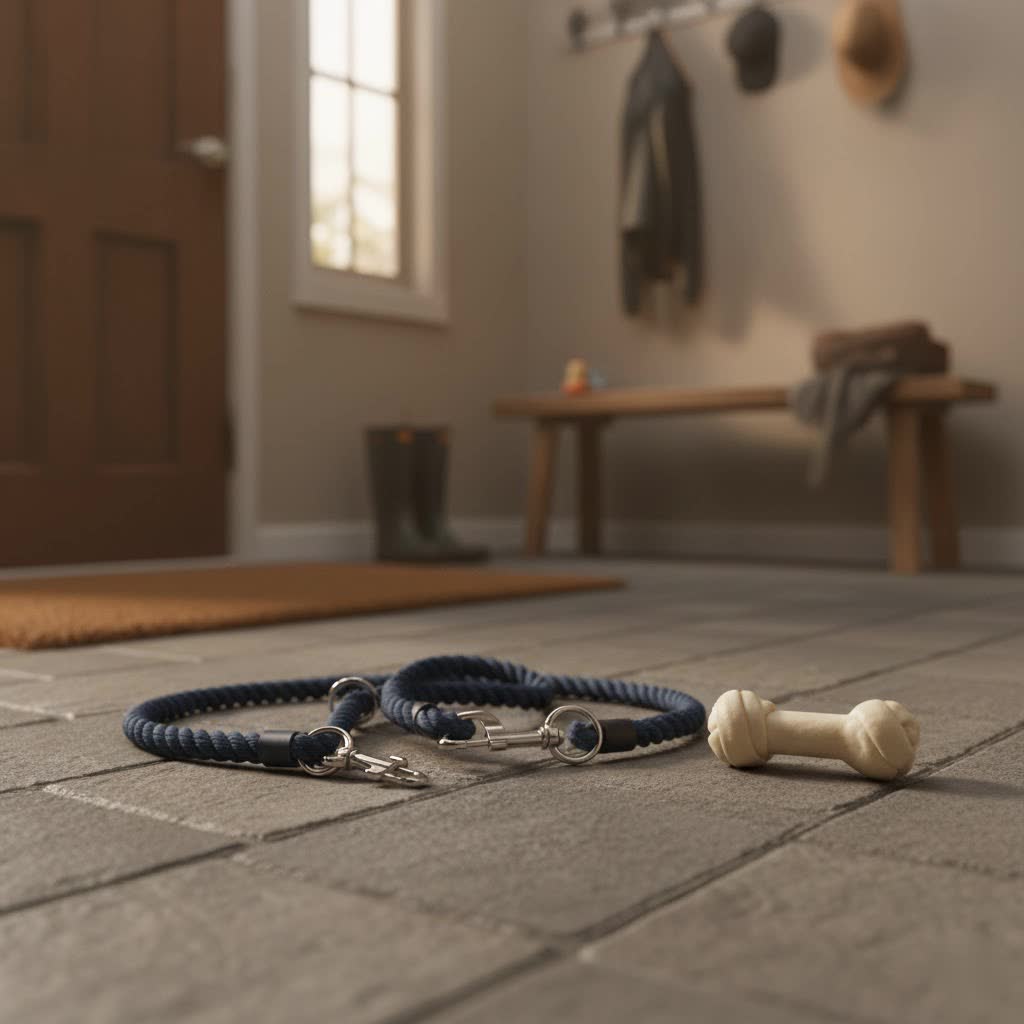
Every devoted dog owner understands that a leash is far more than just a simple strap. It’s a vital communication tool, a safety device, and a bridge to shared adventures. Among the myriad options available, the 6-foot dog leash stands out as the time-tested standard, revered by trainers and pet parents alike for its remarkable balance. If you’re seeking to enhance your walks, improve training, and provide your furry friend with just the right amount of independence, understanding the nuances of the 6-foot leash is essential. This comprehensive guide will examine why this length has earned its reputation, explore different types and materials, and equip you with the knowledge to choose and utilize the perfect 6-foot leash for your beloved companion.
What is a Dog Leash and Why Is the 6-Foot Length So Important?
A dog leash is a tether that connects a dog to its handler, providing a means of control and guidance during walks and training. Its primary role is to ensure the safety of your dog, yourself, and others in public spaces, preventing them from wandering into dangerous situations or approaching strangers without permission. Beyond safety, a leash facilitates communication, allowing you to direct your dog, correct behavior, and build a stronger bond through shared experiences. For browse all dog leashes articles on this site.
The 6-foot dog leash is often considered the “gold standard” because it strikes an optimal balance between giving your dog enough room to explore and maintaining essential control. This length allows for comfortable loose-leash walking, where your dog can sniff and wander slightly ahead without constantly pulling or feeling restricted. It prevents the tangling and tripping hazards often associated with overly long lines, while still offering sufficient distance for your dog to relieve themselves or investigate interesting scents. For puppies, a 6-foot leash is also ideal, providing a perfect blend of freedom and control as they learn good leash manners and housetraining basics.
Popular 6-Foot Dog Leash Types and Their Pros & Cons
While the 6-foot length is consistent, dog leashes come in various styles, each offering unique benefits for different situations and dog personalities.
Standard Flat Leash
The most common type, typically made from a single strip of material with a simple loop handle and a sturdy clip.
- Pros: Simple, straightforward, easy to use, generally affordable, and highly versatile for everyday walks.
- Cons: Can be basic in features, and without padding, some materials may cause hand discomfort if your dog pulls.
Double-Handled Leash (Traffic Leash)
|
Our Picks for the Best Dog Leash in 2026
As an Amazon Associate I earn from qualifying purchases.
|
||
| Num | Product | Action |
|---|---|---|
| 1 | Taglory Rope Dog Leash 6 FT with Comfortable Padded Handle, Highly Reflective Threads Leash for Medium Large Dogs, 1/2 inch, Black |

|
| 2 | Fida Retractable Dog Leash, 16 ft Dog Walking Leash for Small Dogs up to 26 lbs, 360° Tangle Free, Black |
|
| 3 | iYoShop Hands Free Dog Leash with Zipper Pouch, Dual Padded Handles and Durable Bungee for Walking, Jogging and Running Your Dog (Large, 25-120 lbs, Black) |
|
| 4 | Hands Free Dog Leash, Adjustable Waist Leash for Dog, Handle Bungee 4.2-6.7 Feet Long with Reflective Stitches for Walking Hiking Running, Fits 26"- 43" Waist, Black & Blue |
|
| 5 | 26Ft Retractable Dog Leash, Heavy Duty Great Leash for Dog up to 110 lbs, Anti-Slip Rubberized Handle, One-Handed Brake, Strong Nylon Tape, Tangle Free(Large Size). |
|
| 6 | Joytale Tactical Dog Leash Heavy Duty, 4-6FT Shock Absorbing Bungee Lead with 2 Padded Handle, Metal Carabiner Clip, Car Seatbelt, Strong No Pull Leash for Medium Large X-Large Dogs, Coyote Brown |
|
| 7 | Frienda 30ft Galvanized Heavy Duty Dog Chain Tie out Heavy Duty Chain 3mm Chew Proof with 2 Safety Clips Rust Resistant Outdoor Dog Leash for Yard Camping Hiking Park Travel 440lbs Break Strength |
|
| 8 | Joytale Dog Leash, 6 FT Double-Sided Reflective, Padded Handle Nylon Heavy Duty Leashes for Medium & Large Dogs Walking, Black |
|
| 9 | 16Ft Retractable Dog Leash,Light Weight Leash for Small to Medium Dogs/Cats Up to 50lbs,Stainless Steel Spring Strong Nylon Tape, Tangle Free, One-Handed Brake.(Black) |
|
| 10 | 2 Pack Dog Leash, 4/5//6 FT Heavy Duty Nylon Rope Pet Leashes with Comfortable Padded Handle, Reflective Dog Leashes for Small Medium and Large Dogs (5FT-1/2,Black/Black) |
|
Featuring two handles: one at the standard end and a second, closer “traffic handle” typically about 1 foot from the clip.
- Pros: Offers immediate, close control in busy or potentially hazardous situations (like crossing streets or passing other dogs). The secondary handle provides extra security without having to wrap the main leash around your hand.
- Cons: Can sometimes feel redundant if you rarely need close control, or if your dog is consistently a loose-leash walker.
Hands-Free Leash
Often 6-feet in length, these leashes typically attach to a waist belt worn by the handler.
- Pros: Perfect for active owners who enjoy running, hiking, or jogging with their dog, as it keeps both hands free. It can also aid in maintaining a consistent pace.
- Cons: Best suited for well-behaved dogs who don’t lunge or pull excessively, as a strong pull could throw the handler off balance. Not recommended for training new leash manners.
Adjustable Leash (Multi-functional Leash)
Designed with multiple D-rings or clips along its length, allowing you to adjust the leash to various lengths, or even wear it around your shoulder or waist.
- Pros: Highly versatile, accommodating different environments (e.g., shortening for city walks, lengthening for parks). Can often be used hands-free or for tethering.
- Cons: The extra clips and rings can sometimes add bulk or complexity, and the material might not be as seamless as a single-length leash.
Comparing 6-Foot Leashes to Other Lengths
The 6-foot leash is popular for a reason, but other lengths serve specific purposes. Understanding these differences helps you choose the right tool for the right job.
| Type of Leash | Key Advantages | Potential Disadvantages | Ideal Use Cases |
|---|---|---|---|
| Short Leash (1-4 feet) | Maximum control, keeps dog close, ideal for crowded areas. | Limited freedom, can encourage pulling if used improperly, less sniffing opportunity. | Busy city streets, obedience training, service dogs, dogs prone to lunging, very small dogs. |
| 6-Foot Leash (Standard) | Balanced control and freedom, versatile for various activities. | Can be too long for extremely crowded urban environments, may not provide enough freedom for off-leash training. | Everyday walks, basic training, suburban parks, light jogging, general use. |
| Long Line (8-50+ feet) | Maximum freedom, allows extensive exploration, great for recall training. | Difficult to manage in crowded areas, increased tangling risk, less immediate control, can pose tripping hazards. | Open fields, hiking trails, beach outings, advanced recall training, scent work, decompression walks. |
The 6-foot leash strikes a sweet spot, offering enough slack for natural movement and exploration while still allowing you to maintain immediate command. Many local leash laws also specify a maximum length of 6 feet in public spaces, making it a legally compliant and socially considerate choice.
How to Choose the Perfect 6-Foot Dog Leash: Key Factors to Consider
Selecting the ideal 6-foot dog leash involves more than just picking a color. It’s about matching the leash’s features to your dog’s size, strength, temperament, and your shared activities.
Material
The material largely dictates the leash’s durability, comfort, and maintenance requirements.
- Nylon: A popular, cost-effective choice. Nylon is durable, strong, waterproof, and easy to clean. However, it can sometimes feel rough on the hands and cause “leash burn” if your dog pulls sharply.
- Leather: A classic, luxurious option known for its durability and comfortable grip that softens over time. Leather leashes are stylish but are more expensive and require regular conditioning to prevent drying and cracking. They are not ideal for wet environments or for dogs who might chew on the leash.
- Biothane: A synthetic material that mimics the look and feel of leather but offers superior performance. Biothane is waterproof, odor-proof, incredibly durable, easy to clean (just wipe it down!), and maintains a good grip even when wet. It’s an excellent choice for active dogs and all weather conditions.
- Rope (e.g., Polypropylene): Often lightweight, water-resistant, and can float, making it suitable for water-based activities. Rope leashes are strong and can come in various attractive colors, but may be prone to fraying over time.
- Chain: Primarily used for dogs that chew through other materials. Chain leashes are incredibly robust but are heavy and can be uncomfortable to handle, usually requiring a fabric or leather handle for the human end.
Width & Strength
The width of the leash should correlate with your dog’s size and pulling power.
- For small to medium breeds, a narrower leash (e.g., 1/2-inch to 5/8-inch) is often sufficient and won’t feel bulky.
- For larger, stronger breeds or dogs that tend to pull, a wider leash (e.g., 3/4-inch to 1-inch) is crucial for durability and preventing snapping. Always ensure the leash material itself is robust enough for your dog’s strength.
Hardware (Clips & Snaps)
The quality of the metal clip that attaches to your dog’s collar or harness is paramount for safety.
- Look for clips made from strong, rust-resistant materials like solid brass or stainless steel.
- Ensure the spring mechanism is sturdy and operates smoothly, providing a secure connection that won’t accidentally open.
Handle Comfort
Since you’ll be holding the leash, your comfort matters too!
- Padded handles (often with neoprene or fleece lining) can significantly reduce strain and chafing, especially on longer walks or if your dog is a puller.
- Some leashes feature ergonomic handles designed to fit comfortably in your hand.
Added Features
Consider extra features that enhance functionality and safety.
- Reflective Stitching: Essential for visibility during low-light conditions or nighttime walks, increasing safety for both you and your dog.
- D-rings: Small rings sewn into the handle or near the clip can be handy for attaching poop bag dispensers, keys, or a small training clicker.
- Traffic Handles: As mentioned, a second handle closer to the dog provides quick control in tight spots.
Reputable Dog Leash Brands
When investing in a quality 6-foot dog leash, choosing from reputable brands often ensures better materials, craftsmanship, and safety standards. While specific models may vary, brands like PetSafe, Ruffwear, Kong, and Blueberry Pet are well-regarded in the pet industry for producing a range of durable and well-designed leashes suitable for various needs. Another excellent choice is Max and Neo Dog Gear, known for its sturdy nylon reflective double dog leashes. Exploring their product lines can lead you to a fantastic 6-foot option that suits your preferences.
Tips for Using and Maintaining Your 6-Foot Dog Leash
Even the best leash can become ineffective or unsafe without proper use and care.
Proper Handling
- Never wrap the leash around your hand or wrist. This can cause severe injury if your dog suddenly pulls or lunges. Instead, hold the leash with a comfortable, firm grip, allowing a slight curve (slack) in the line for better communication and to avoid constant tension.
- Maintain awareness. Always be mindful of your dog’s movements and your surroundings. A 6-foot leash gives some freedom, but you still need to be ready to react quickly.
Leash Etiquette
- Respect personal space. Even with a 6-foot leash, be mindful of how much space your dog is taking up, especially around other people and dogs. Shorten the leash if you’re in a crowded area or passing by a sensitive dog.
- Avoid tangles. Try to keep the leash from dragging on the ground to prevent it from tangling around your dog’s legs, obstacles, or your own feet.
Cleaning & Storage
- Nylon and Biothane: These materials are generally very easy to clean. A simple wipe-down with a damp cloth, or even a gentle machine wash (in a mesh bag), is usually sufficient. Air dry completely before storing.
- Leather: Leather requires more specific care. Clean with a damp cloth and mild soap, then condition regularly with a leather conditioner to keep it supple and prevent drying or cracking. Avoid excessive moisture.
- Storage: Store your leash in a clean, dry place away from direct sunlight when not in use. Avoid leaving it where your dog can chew on it unsupervised.
Safety Notes
- Inspect regularly. Before each walk, quickly inspect your leash for any signs of wear and tear, such as fraying, cracks, or loose stitching. Check the hardware for rust or damage. A damaged leash is a safety hazard.
- Replace when necessary. If your leash shows significant signs of wear, it’s time to replace it. A small investment in a new leash can prevent a potentially serious accident.
Where to Purchase Your Next 6-Foot Dog Leash
Finding the perfect 6-foot dog leash is easier than ever with numerous purchasing options available.
- Local Pet Specialty Stores: These stores often have knowledgeable staff who can provide personalized recommendations based on your dog’s needs and allow you to physically feel different materials and designs.
- Online Retailers: Websites like Amazon, Chewy, and the official sites of brands like PetSafe or Ruffwear offer a vast selection, competitive pricing, and user reviews that can help inform your decision. to check return policies before purchasing.
- Dog Training Centers: Many professional dog trainers and training facilities also sell high-quality leashes, often recommending models they use and trust in their own practice.
Conclusion
The 6-foot dog leash remains a cornerstone of responsible dog ownership, a versatile tool that supports both control and freedom. Whether you’re navigating bustling city streets, enjoying a peaceful park stroll, or embarking on a light jog, this length provides an ideal balance. By carefully considering the material, width, hardware, and added features, you can select a 6-foot leash that perfectly complements your dog’s needs and your walking style. the right leash isn’t just about functionality; it’s about enhancing the connection and shared joy you experience with your four-legged companion.
What adventures will you and your dog embark on with your perfect 6-foot leash?
Frequently Asked Questions
Is a 6-foot leash too long for a puppy?
No, a 6-foot leash is often considered an ideal length for puppies. It offers a crucial balance, providing enough room for them to explore and learn about their environment while still allowing you to maintain control during initial leash training and housetraining.
Can a 6-foot leash be used for training?
Absolutely. The 6-foot leash is widely recommended by dog trainers for basic obedience and loose-leash walking training. Its length allows for clear communication and corrections without being too restrictive or giving the dog excessive distance to get distracted.
What’s the best material for a 6-foot leash if my dog likes to chew?
If your dog is a chewer, a chain leash with a sturdy handle is typically the most chew-proof option. However, if you prefer a softer material, Biothane is highly durable and more resistant to chewing than nylon or leather, although no fabric leash is entirely indestructible for a determined chewer.
Are double-handled 6-foot leashes really better?
Double-handled 6-foot leashes offer distinct advantages, particularly in busy environments. The secondary “traffic handle” provides immediate, close control, allowing you to keep your dog safely by your side when crossing roads or navigating crowded areas, while the main handle offers more relaxed walking.
Pet products vetted on real animals
Practical specs, not advice. Unsubscribe anytime.
