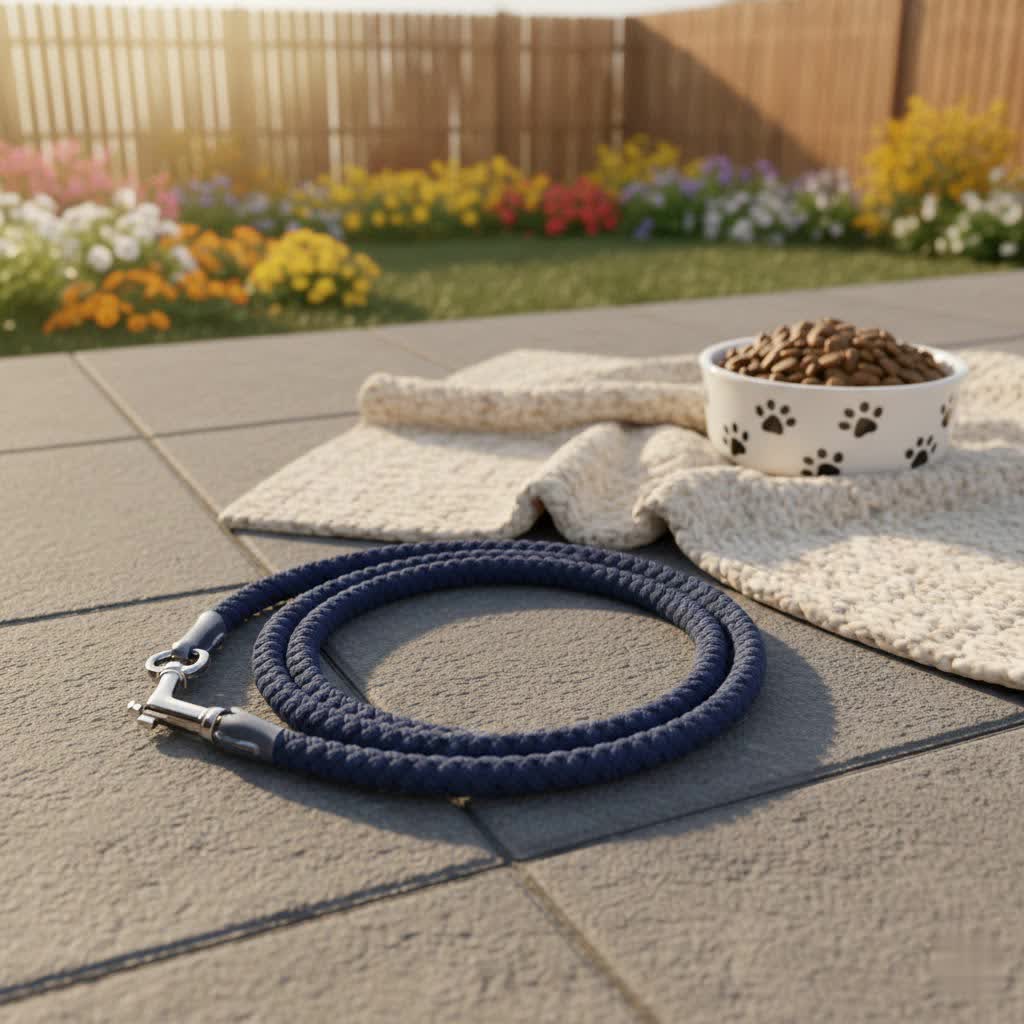
Does your dog love to pull, turning a peaceful stroll into a test of strength? Have you ever felt that jarring yank on your arm or shoulder when your furry friend lunges unexpectedly? If so, you’re not alone. Many dog owners struggle with controlling an enthusiastic pup on a walk, which can lead to discomfort for both handler and canine. This comprehensive guide will explore the world of the bungee dog leash, offering expert insights to help you find a solution that brings comfort, control, and joy back to your walks.
What is a Bungee Dog Leash and Why Are They Important?
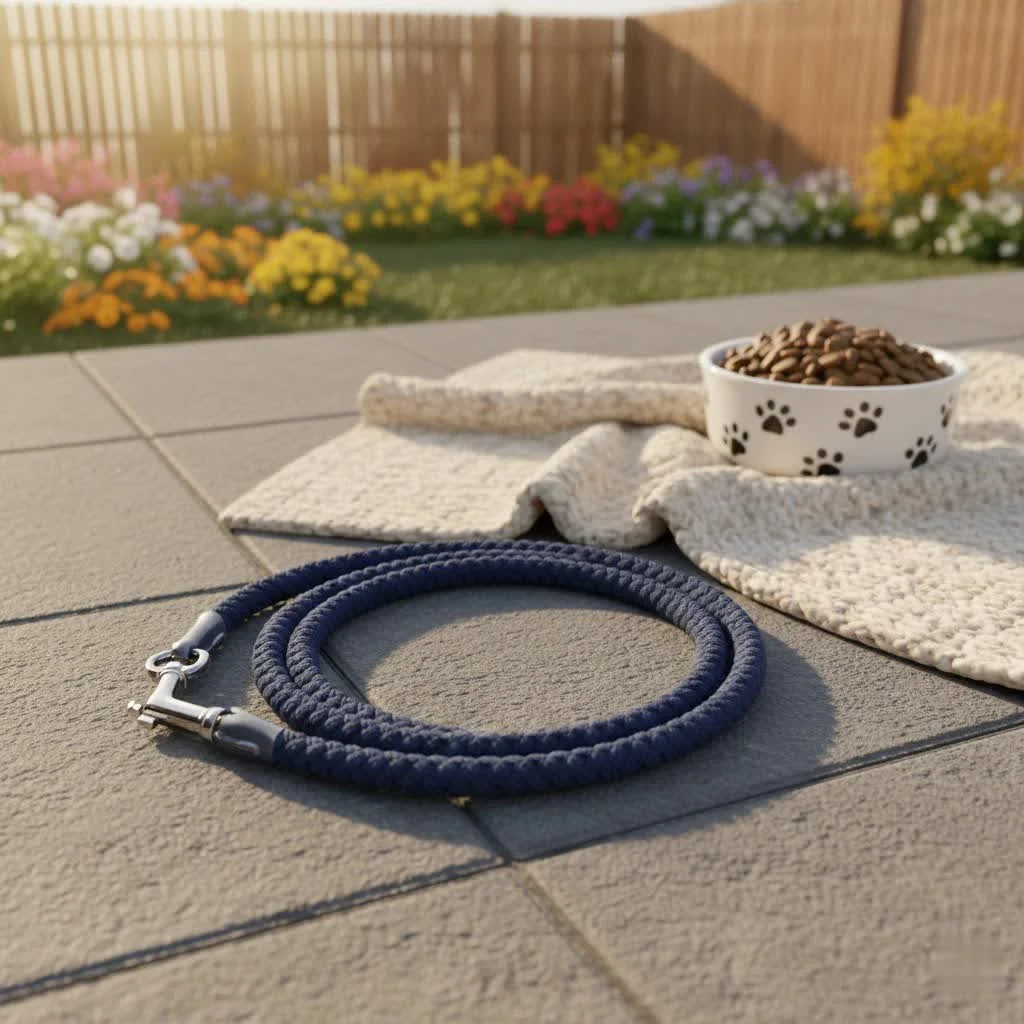
A bungee dog leash is a specialized type of leash featuring an elastic or stretchy section, designed to absorb shock and reduce the impact of sudden pulls. This innovative design offers a smoother, more comfortable experience for both you and your dog, making it an invaluable tool for enhancing safety and control during walks and outdoor activities. These leashes minimize the harsh jerking motion often associated with traditional leashes, providing a gentle give when your dog lunges or changes direction unexpectedly. For more dog leashes guides on this site.
The primary benefit of a bungee dog leash is its ability to absorb shock. When a dog suddenly pulls, a standard leash transmits the full force directly to your hand and your dog’s neck, potentially causing discomfort or injury to both. The elasticity in a bungee leash allows for a gradual expansion, cushioning this effect and significantly reducing strain on your arms, shoulders, and your dog’s neck or spine. This makes bungee leashes particularly important for high-energy dogs, strong pullers, and owners with active lifestyles or physical limitations.
Popular Types of Bungee Dog Leashes and Their Advantages
While the core principle of shock absorption remains constant, bungee leashes come in various forms, often integrating the bungee element into different leash styles to suit diverse needs. Understanding these variations can help you pinpoint the best fit for your lifestyle.
Standard Bungee Leash
This is a straightforward leash where a section of elastic material is incorporated, typically near the dog’s end or along the length. It replaces the rigid connection of a traditional leash with a shock-absorbing buffer.
- Advantages: Simple to use, effectively reduces jolting, and can be used with a standard collar or harness. They offer immediate relief from pulling shock without requiring a major change in walking routine.
- Disadvantages: Still requires you to hold the leash, which might not be ideal for hands-free activities. While offering some give, it might not prevent all pulling behavior on its own.
Hands-Free Bungee Leash
|
Our Picks for the Best Dog Leash in 2026
As an Amazon Associate I earn from qualifying purchases.
|
||
| Num | Product | Action |
|---|---|---|
| 1 | Frienda 30ft Galvanized Heavy Duty Dog Chain Tie out Heavy Duty Chain 3mm Chew Proof with 2 Safety Clips Rust Resistant Outdoor Dog Leash for Yard Camping Hiking Park Travel 440lbs Break Strength |

|
| 2 | Joytale Dog Leash, 6 FT Double-Sided Reflective, Padded Handle Nylon Heavy Duty Leashes for Medium & Large Dogs Walking, Black |
|
| 3 | 16Ft Retractable Dog Leash,Light Weight Leash for Small to Medium Dogs/Cats Up to 50lbs,Stainless Steel Spring Strong Nylon Tape, Tangle Free, One-Handed Brake.(Black) |
|
| 4 | Joytale Tactical Dog Leash Heavy Duty, 4-6FT Shock Absorbing Bungee Lead with 2 Padded Handle, Metal Carabiner Clip, Car Seatbelt, Strong No Pull Leash for Medium Large X-Large Dogs, Coyote Brown |
|
| 5 | iYoShop Hands Free Dog Leash with Zipper Pouch, Dual Padded Handles and Durable Bungee for Walking, Jogging and Running Your Dog (Large, 25-120 lbs, Black) |
|
| 6 | 2 Pack Dog Leash, 4/5//6 FT Heavy Duty Nylon Rope Pet Leashes with Comfortable Padded Handle, Reflective Dog Leashes for Small Medium and Large Dogs (5FT-1/2,Black/Black) |
|
| 7 | 26Ft Retractable Dog Leash, Heavy Duty Great Leash for Dog up to 110 lbs, Anti-Slip Rubberized Handle, One-Handed Brake, Strong Nylon Tape, Tangle Free(Large Size). |
|
| 8 | Taglory Rope Dog Leash 6 FT with Comfortable Padded Handle, Highly Reflective Threads Leash for Medium Large Dogs, 1/2 inch, Black |
|
| 9 | Fida Retractable Dog Leash, 16 ft Dog Walking Leash for Small Dogs up to 26 lbs, 360° Tangle Free, Black |
|
| 10 | Hands Free Dog Leash, Adjustable Waist Leash for Dog, Handle Bungee 4.2-6.7 Feet Long with Reflective Stitches for Walking Hiking Running, Fits 26"- 43" Waist, Black & Blue |
|
Designed for active owners, these leashes typically feature an adjustable waist belt that attaches to a bungee leash. They allow you to walk, run, or hike with your dog while keeping your hands completely free.
- Advantages: Provides maximum freedom for the handler, excellent for running, hiking, or managing multiple tasks. The bungee element ensures comfort during sudden pulls, distributing the force across your hips rather than a single arm.
- Disadvantages: May offer less direct control in crowded areas or high-distraction environments. The dog has more range of motion, which requires vigilance, especially with untrained dogs.
Multi-functional Bungee Leash
These versatile leashes combine the bungee feature with adjustable lengths, multiple handles (including a traffic handle), or the ability to be converted between hands-free and handheld use.
- Advantages: Highly adaptable for various situations and training needs, offering the benefits of shock absorption alongside enhanced control options. The integrated traffic handle is crucial for quickly reining in your dog in dangerous situations.
- Disadvantages: Can be more complex to use initially due to multiple clips and adjustment points. Often comes with a higher price point due to its versatility and added features.
“The key to a successful walk isn’t just about restraining your dog, but about fostering a harmonious connection. Bungee leashes facilitate this by absorbing sudden movements, turning potential conflict into a smoother, more communicative experience.” – Dr. Emily R. Carter, Veterinary Behaviorist
Comparison Table: Bungee Leash Types
| Type of Bungee Leash | Key Advantages | Potential Disadvantages | Best Suited For |
|---|---|---|---|
| Standard Bungee | Reduces jolts, simple to use, affordable | Still handheld, doesn’t prevent all pulling | Daily walks, light pulling dogs |
| Hands-Free Bungee | Hands-free convenience, ideal for active users, shock absorption | Less direct control, may be bulky for small dogs | Running, hiking, active outings with trained dogs |
| Multi-functional Bungee | Highly versatile, adjustable length, superior control options | Can be complex, higher cost | Various activities, training, large or strong dogs |
How to Choose the Perfect Bungee Dog Leash: Factors to Consider
Selecting the right bungee dog leash is crucial for ensuring comfort and safety for both you and your canine companion. Several key factors should influence your decision, extending beyond just the bungee feature itself.
Material
The durability and comfort of your leash largely depend on its material.
- Nylon: A popular choice for its durability, weather resistance, and ease of cleaning. Nylon bungee leashes are often affordable and come in a wide range of colors.
- Polyester/Tubular Webbing: Offers similar benefits to nylon but can be softer on hands and resistant to abrasion. Some brands use specialized flat bungee webbing to prevent hand burn if you need to grab the leash quickly.
- Leather (with bungee section): While less common for the bungee itself, a leather handle or robust stitching can provide a premium feel and exceptional durability, though it requires more maintenance.
Length
The length of a bungee leash is typically described in two measurements: its relaxed length and its stretched length.
- 1.2m – 1.8m (4-6 feet): This is a popular range for everyday walks, offering a good balance of freedom and control. When stretched, it provides enough give to absorb shocks without letting your dog stray too far.
- 3m – 5m (10-16 feet): Longer leashes provide more freedom for exploration, ideal for well-trained dogs in open spaces or for activities like canicross (dog jogging/running) where your dog runs ahead. Be mindful that greater length can mean less immediate control in crowded areas.
Width and Strength
The width and overall strength of the bungee leash should correspond to your dog’s size and pulling power.
- Smaller dogs (under 25 lbs): A thinner, lighter bungee leash will be appropriate. Overly heavy hardware or thick webbing can be cumbersome for them.
- Medium to large dogs (25-150 lbs): A wider, more robust leash with stronger bungee material is essential to withstand significant pulling force without wearing out or breaking. Look for leashes designed specifically for larger breeds.
Hardware (Clips and Connectors)
The quality of the clips and other hardware is paramount for security.
- Clips: Opt for sturdy, corrosion-resistant metal clips (e.g., aviation aluminum, stainless steel). Quick-release clips offer added safety, especially for hands-free systems, allowing you to quickly detach from your dog if needed.
- D-Rings: If using a hands-free system, ensure the waist belt has a robust, freely rotating D-ring to prevent tangling as your dog moves around you.
Handle and Belt Comfort
Your comfort is just as important as your dog’s.
- Padded Handles: For handheld bungee leashes, padded handles significantly reduce strain and improve grip, especially when your dog pulls.
- Hands-Free Belts: Look for wide, padded waist belts that distribute pressure evenly around your hips, rather than concentrating it on your lower back. Adjustable belts ensure a snug, comfortable fit.
- Traffic Handles: A secondary handle closer to your dog (often called a “traffic handle” or “control handle”) is invaluable for instant, close-up control in busy environments or emergency situations. Many high-quality bungee leashes incorporate this feature.
Reputable Bungee Dog Leash Brands
When investing in a bungee dog leash, choosing a trusted brand ensures quality, durability, and thoughtful design. Here are some highly regarded manufacturers known for their bungee leash offerings:
- Ruffwear: Known for their robust outdoor gear, Ruffwear offers bungee leashes like the Roamer Bungee Dog Leash, which can be handheld or worn around the waist. Their products are praised for their durability and suitability for active dogs and owners.
- Mighty Paw: This brand specializes in gear for active dogs, including hands-free bungee leashes designed for running, walking, and hiking. Their leashes often feature durable, weather-resistant materials and reflective stitching for safety.
- Tuff Mutt: Another popular choice for active dog owners, Tuff Mutt provides hands-free bungee leashes that balance freedom with control. Many users highlight their bungee’s effectiveness in absorbing sudden pulls.
- Non-stop dogwear: A brand favored by serious dog sports enthusiasts, Non-stop dogwear offers a range of bungees and touring leashes, often using flat bungee material designed for comfort and performance in activities like canicross and ski-joring.
- SparklyPets: This brand offers hands-free bungee leashes known for their quality materials, shock-absorbing design, and features like reflective stripes and secure belt clips. They are often highlighted for providing a comfortable experience for both dog and owner.
These brands consistently receive positive feedback for their commitment to quality and understanding the needs of active dogs and their handlers.
Tips for Using and Maintaining Your Bungee Dog Leash
To maximize the benefits and longevity of your bungee dog leash, proper usage and care are essential. Implementing a few simple practices can make a big difference in your walking experience and the lifespan of your gear.
Proper Handling and Control
While bungee leashes reduce shock, they don’t replace the need for good leash manners.
- Maintain Awareness: Because the bungee provides a “give,” your dog might have a slightly larger radius of movement. Stay aware of your surroundings, especially in crowded or high-traffic areas.
- Use Traffic Handles: If your bungee leash has a traffic handle, utilize it when you need to keep your dog close, such as when crossing streets or encountering other dogs. This offers immediate, firm control.
- Avoid Constant Tension: The bungee is designed for shock absorption, not constant pulling. If your dog consistently pulls, continue with training for loose-leash walking in conjunction with the bungee leash. The slight resistance from the bungee can actually aid in teaching them to walk calmly.
- Prevent Recoil: Be mindful that if your dog stops suddenly, the bungee can recoil. Keep a firm but comfortable grip, especially with strong pullers, to manage this motion smoothly.
Cleaning and Storage
Regular maintenance will extend the life of your bungee leash.
- Regular Cleaning: Most nylon or polyester bungee leashes can be hand-washed with mild soap and water. Allow them to air dry completely before storage to prevent mildew and odors. Avoid harsh chemicals that could degrade the material.
- Inspect Regularly: Before each walk, quickly check the leash for any signs of wear and tear, such as frayed webbing, loose stitching, or damaged clips. Replace the leash if you notice any significant damage to ensure safety.
- Proper Storage: Store your bungee leash in a dry, cool place away from direct sunlight when not in use. Avoid leaving it tangled or piled, as this can lead to kinks or unnecessary stress on the material.
Safety Considerations
Safety should always be your top priority when walking your dog.
- Visibility: Many quality bungee leashes include reflective stitching. This is crucial for early morning, late evening, or night walks, enhancing visibility for both you and your dog.
- Pair with a Harness: For maximum comfort and safety, especially for dogs prone to pulling, pair your bungee leash with a well-fitting, comfortable dog harness rather than just a collar. This distributes pressure across their chest and shoulders, reducing strain on their neck.
- Appropriate Length: Choose a leash length appropriate for your environment and your dog’s training. A leash that is too long in urban areas can pose tripping hazards or allow your dog to enter unsafe zones.
By following these tips, your bungee dog leash will remain a reliable and comfortable tool for many adventures with your beloved dog.
Where to Buy Bungee Dog Leashes?
Finding the right bungee dog leash is easier than ever, with a variety of options available both in brick-and-mortar stores and online. Knowing where to look can help you make an informed decision and secure the best product for your needs.
Specialty Pet Stores
Visiting a local pet supply store allows you to physically examine leashes, feel the materials, and assess the hardware quality. Knowledgeable staff can often provide personalized recommendations based on your dog’s size, temperament, and your walking habits. This hands-on experience is particularly valuable for determining comfort and fit.
Online Retailers
Online platforms offer an unparalleled selection of bungee dog leashes from various brands, often at competitive prices. Major e-commerce sites like Amazon, Chewy, and Petco’s online store carry a vast inventory. Additionally, many reputable brands (like Ruffwear, Mighty Paw, and Non-stop dogwear) have their own official websites where you can purchase directly, often with detailed product information and customer reviews.
Tips for Online Shopping
When buying online, consider these points:
- Read Reviews: Pay close attention to customer reviews and ratings. Look for feedback regarding durability, comfort, and how the leash performs with dogs of similar size and pulling tendencies to yours.
- Check Return Policies: Ensure the retailer has a clear and fair return or exchange policy in case the leash doesn’t meet your expectations or isn’t the right fit for your dog.
- Product Descriptions: Thoroughly read product descriptions for details on material, length (both relaxed and stretched), weight limits, and specific features like traffic handles or reflective stitching.
- Measure Your Dog/Self: If opting for a hands-free leash, measure your waist or hips according to the manufacturer’s guidelines to ensure the belt will fit comfortably.
No matter where you choose to shop, prioritize quality and safety to ensure your bungee dog leash provides a comfortable and secure experience for years to come.
Conclusion
Choosing the right bungee dog leash can transform your daily walks and adventures, turning potential struggles into enjoyable bonding experiences. By understanding the shock-absorbing benefits, distinguishing between the various types, and carefully considering factors like material, length, and comfort features, you can select a leash perfectly suited for your dog’s needs and your active lifestyle. Remember that while a bungee leash offers unparalleled comfort and strain relief, it works best as a tool to complement consistent training for loose-leash walking.
Invest in a quality bungee dog leash today and experience the difference a smoother, more comfortable walk can make for both you and your cherished companion. What adventures will you and your dog embark on next with the newfound freedom and comfort of a bungee leash?
Frequently Asked Questions
Is a bungee leash good for a dog that pulls?
Yes, a bungee leash is particularly beneficial for dogs that pull because its elastic section absorbs the sudden shock and minimizes the jarring impact on both the dog’s neck and the handler’s arm. This creates a smoother walking experience and can reduce the risk of injury.
How does a bungee dog leash work to reduce strain?
A bungee dog leash works by incorporating an elastic component that stretches when tension is applied, effectively acting as a shock absorber. This controlled give dissipates the force of sudden pulls, reducing strain on the dog’s throat and the owner’s shoulders and back.
Can I use a bungee dog leash for running or hiking?
Absolutely! Bungee dog leashes, especially hands-free versions with waist belts, are ideal for running, hiking, and other active pursuits. They allow for a more natural gait for the owner while providing comfort and shock absorption during your dog’s movements.
Are bungee leashes suitable for small dogs?
While bungee leashes offer benefits for all sizes, it’s crucial to choose one specifically designed for small dogs. Some heavy-duty bungee leashes with bulky hardware might be too cumbersome for very small breeds, so look for lightweight options with appropriate strength.
Does a bungee leash help with dog training?
A bungee leash can assist in training by providing consistent, gentle resistance when a dog pulls, subtly encouraging them to walk more calmly. However, it should be used in conjunction with positive reinforcement training methods, as it’s primarily a comfort and safety tool, not a substitute for direct communication.
How do I clean and maintain my bungee dog leash?
Most bungee dog leashes made of nylon or polyester can be hand-washed with mild soap and water, then air-dried thoroughly to prevent mildew. Regularly inspect the leash for wear and tear, especially the stitching and hardware, to ensure continued safety and longevity.
What are the disadvantages of a bungee dog leash?
Some potential disadvantages include slightly less immediate control due to the stretch, which might require more vigilance in busy areas. Additionally, if the bungee component is low quality, it can wear out, and for very small dogs, some bungee leashes might be too heavy or bulky.
Pet products vetted on real animals
Practical specs, not advice. Unsubscribe anytime.
