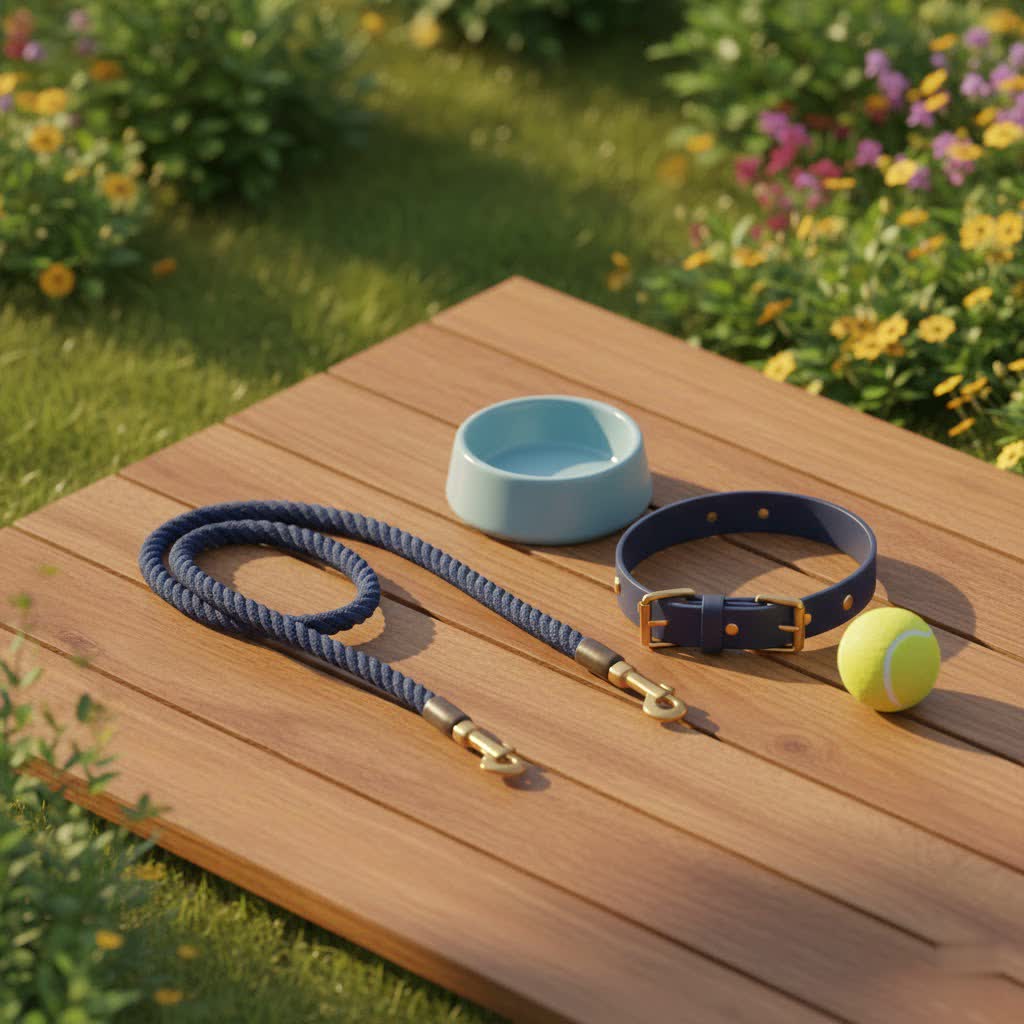
As an Admin of reviewsgood.com with over a decade of experience in dog care and accessories, I’ve had the opportunity to test and evaluate countless dog leashes, from the most basic to the most innovative designs. This deep knowledge and hands-on experience allow me to share invaluable insights, helping you select the ideal dog and leash combination for your beloved four-legged companion. The right dog leash isn’t just a tool; it’s a vital connection that ensures safety, facilitates training, and enhances the bond you share with your dog during every adventure.

What is a Dog Leash and Why Is It So Important?
A dog leash is a fundamental piece of equipment that connects a dog’s collar or harness to its handler, providing control and guidance. Its primary role is to ensure the safety of your dog, other people, and wildlife while walking in public spaces. Beyond basic control, a well-chosen dog and leash combination is essential for training, promoting good behavior, and complying with local leash laws that exist in nearly every community. This simple yet crucial accessory prevents your dog from wandering into dangerous traffic, chasing animals, or approaching people who may be uncomfortable with loose dogs, making every outing a secure and enjoyable experience. For more dog leashes guides on this site.
Common Types of Dog Leashes and Their Pros & Cons
Understanding the different types of dog leashes available can significantly impact your walking and training experience. Each style offers unique benefits and drawbacks, catering to various dog temperaments, training levels, and owner preferences.
- Standard Leash (Fixed-Length Leash):
- Pros: Simple, reliable, offers consistent control, durable, and generally affordable. Ideal for daily walks and basic obedience training. Often made from nylon or leather, they provide direct communication with your dog.
- Cons: Fixed length limits a dog’s exploration radius. Can be uncomfortable for handlers if the dog pulls excessively, potentially causing rope burn with nylon variants.
- Retractable Leash:
- Pros: Allows dogs more freedom to explore and sniff within a larger radius while still technically “on leash.” The adjustable length can be convenient in open areas.
- Cons: Can be difficult to maintain control, especially with strong or fast dogs, leading to potential entanglement or injury for both dog and handler. The sudden stop when the leash locks can also cause neck injuries. Many experts advise against their use due to safety concerns.
- Training Leash (Long Line):
- Pros: Essential for recall training and giving dogs more room to practice “off-leash” skills in a safe, controlled environment. They promote a sense of freedom while maintaining a safety net.
- Cons: Requires more skill and attention from the handler to prevent tangles and ensure safety. Not suitable for crowded areas or daily city walks.
- Multi-functional/Convertible Leash:
- Pros: Highly versatile, offering various configurations like hands-free, double dog walking, or adjustable lengths. Often features multiple rings and clips for adaptability.
- Cons: Can be more complex to use initially and generally comes with a higher price tag due to its design and versatility.
- Chain Leash:
- Pros: Extremely durable and effective for dogs that chew through other leash materials. Offers a strong, visual deterrent against chewing.
- Cons: Can be heavy and uncomfortable for both dog and handler. The metal can get hot in the sun or cold in winter. Less flexible than other materials.
- Bungee/Shock-Absorbing Leash:
- Pros: Features an elastic section that absorbs shock from sudden pulls, making walks more comfortable for both dog and handler, especially for dogs that tend to lunge.
- Cons: Can provide less direct control compared to a standard leash, and the elasticity might encourage pulling in some dogs if not used with proper training.
Comparison Table of Popular Dog Leash Types
|
Our Picks for the Best Dog Leash in 2026
As an Amazon Associate I earn from qualifying purchases.
|
||
| Num | Product | Action |
|---|---|---|
| 1 | Frienda 30ft Galvanized Heavy Duty Dog Chain Tie out Heavy Duty Chain 3mm Chew Proof with 2 Safety Clips Rust Resistant Outdoor Dog Leash for Yard Camping Hiking Park Travel 440lbs Break Strength |

|
| 2 | Fida Retractable Dog Leash, 16 ft Dog Walking Leash for Small Dogs up to 26 lbs, 360° Tangle Free, Black |
|
| 3 | 16Ft Retractable Dog Leash,Light Weight Leash for Small to Medium Dogs/Cats Up to 50lbs,Stainless Steel Spring Strong Nylon Tape, Tangle Free, One-Handed Brake.(Black) |
|
| 4 | 2 Pack Dog Leash, 4/5//6 FT Heavy Duty Nylon Rope Pet Leashes with Comfortable Padded Handle, Reflective Dog Leashes for Small Medium and Large Dogs (5FT-1/2,Black/Black) |
|
| 5 | Taglory Rope Dog Leash 6 FT with Comfortable Padded Handle, Highly Reflective Threads Leash for Medium Large Dogs, 1/2 inch, Black |
|
| 6 | Joytale Dog Leash, 6 FT Double-Sided Reflective, Padded Handle Nylon Heavy Duty Leashes for Medium & Large Dogs Walking, Black |
|
| 7 | Joytale Tactical Dog Leash Heavy Duty, 4-6FT Shock Absorbing Bungee Lead with 2 Padded Handle, Metal Carabiner Clip, Car Seatbelt, Strong No Pull Leash for Medium Large X-Large Dogs, Coyote Brown |
|
| 8 | 26Ft Retractable Dog Leash, Heavy Duty Great Leash for Dog up to 110 lbs, Anti-Slip Rubberized Handle, One-Handed Brake, Strong Nylon Tape, Tangle Free(Large Size). |
|
| 9 | Hands Free Dog Leash, Adjustable Waist Leash for Dog, Handle Bungee 4.2-6.7 Feet Long with Reflective Stitches for Walking Hiking Running, Fits 26"- 43" Waist, Black & Blue |
|
| 10 | iYoShop Hands Free Dog Leash with Zipper Pouch, Dual Padded Handles and Durable Bungee for Walking, Jogging and Running Your Dog (Large, 25-120 lbs, Black) |
|
| Type of Leash | Advantages | Disadvantages | Best Suited For |
|---|---|---|---|
| Standard Leash | Simple, durable, excellent control, affordable. | Limited length for exploration, can cause hand strain with pullers. | Daily walks, basic obedience, all dog sizes. |
| Retractable Leash | More freedom for exploration in open, safe areas. | Poor control, high risk of injury, can encourage pulling. | Highly trained dogs in low-distraction environments. |
| Training Leash | Great for recall training, allows “off-leash” practice. | Requires handler skill, not for crowded areas, can tangle easily. | Recall training, large open spaces, controlled exercise. |
| Multi-functional | Highly versatile, adjustable, hands-free options, walks multiple dogs. | Can be complex, typically more expensive. | Active owners, multi-dog households, varied activities. |
| Chain Leash | Chew-proof, extremely durable for strong chewers. | Heavy, less comfortable, can be noisy, less flexible. | Heavy chewers, strong dogs (use with caution). |
| Bungee/Shock-Absorb | Reduces pulling impact, comfortable for dog and handler. | Less direct control, may inadvertently encourage pulling. | Dogs that lunge or pull occasionally, active owners. |
How to Buy the Perfect Dog Leash: Factors to Consider
Choosing the right leash involves more than just picking a color. Consider these critical factors to ensure safety, comfort, and effectiveness for both you and your dog.
- Material:
- Nylon: Durable, easy to clean, weather-resistant, and typically budget-friendly. However, it can cause “leash burn” if your dog pulls sharply, and some dogs can chew through it.
- Leather: Offers a classic look, exceptional durability, and becomes softer and more comfortable with age. It’s strong and feels great in the hand, but generally more expensive and requires occasional conditioning to prevent drying and cracking.
- Biothane: A modern, synthetic material that looks and feels like leather but is waterproof, odor-proof, and incredibly durable. It’s easy to clean and maintains its flexibility in various temperatures, making it a great all-around choice, though potentially pricier than nylon.
- Rope: Often made from climbing rope, offering strength, durability, and a comfortable grip. They can be a good option for strong pullers but might be bulky.
- Chain: Best for powerful chewers but can be heavy and uncomfortable.
- Length:
- 4-6 feet (1.2m – 1.8m): The most common and versatile length for daily walks, city environments, and basic training. It provides a good balance of control and freedom.
- Long lines (10-30+ feet / 3m – 9m+): Ideal for recall training in open, safe areas, allowing dogs more room to explore while remaining connected. Not suitable for crowded public spaces.
- Short/Traffic Leads (1-2 feet / 0.3m – 0.6m): Provides maximum control in very busy areas or for keeping large dogs close to your side.
- Width:
- The leash’s width should be appropriate for your dog’s size and strength. Thinner leashes (1/2 inch or less) are suitable for small dogs that don’t pull much. Medium to large dogs, especially those that pull, benefit from wider leashes (3/4 inch to 1 inch or more) to distribute force better and prevent tearing.
- Clips and Hardware:
- Look for sturdy, rust-resistant metal clips (snaps) that are easy to open and close but secure enough to prevent accidental detachment. Solid brass or stainless steel are excellent choices for durability. Swivel clips are particularly useful for preventing tangles.
- Handle Comfort:
- A padded or ergonomic handle can make a significant difference in your comfort, especially during longer walks or if your dog pulls. Materials like neoprene or soft leather can prevent hand strain and rope burn.
Reputable Dog Leash Brands to Consider
Investing in a quality leash from a trusted brand ensures durability, safety, and comfort. Here are a few brands renowned for their commitment to excellence:
- PetSafe: Offers a range of durable and functional leashes, including their popular “Easy Walk” harness and leash systems, known for aiding in pull control. Their nylon leashes are often praised for being budget-friendly yet robust.
- Ruffwear: A premium brand known for its high-performance gear, including leashes designed for active dogs and outdoor adventures. Their products often feature strong materials, reflective stitching, and ergonomic designs for superior comfort and control.
- Kong: Widely recognized for their durable dog toys, Kong also produces a variety of sturdy leashes and harnesses built to withstand strong pullers and active play.
- Blueberry Pet: Offers a vast selection of stylish and well-made leashes in various patterns and colors, combining aesthetics with practical functionality for everyday use.
- Max and Neo: This brand is noted for its durable double-handle leashes, which offer excellent control with a close-up handle for busy environments and a standard handle for regular walks. They also donate a leash to an animal rescue for every leash sold.
Tips for Using and Maintaining Your Dog Leash
Proper usage and regular maintenance can extend the life of your dog’s leash and ensure continued safety.
- Correct Leash Handling: Always hold the leash firmly but comfortably. Avoid wrapping it too tightly around your hand or wrist, as this can lead to injury if your dog suddenly pulls. Instead, loop it over your thumb or palm and keep the excess slack neatly gathered.
- Preventing Tangles: Keep the leash at a consistent length suitable for the environment. If your dog circles or changes direction frequently, use your free hand to guide the leash and prevent it from tangling around their legs or other objects.
- Cleaning and Storage:
- Nylon/Biothane: These materials are generally easy to clean with soap and water. Air dry completely before storing to prevent mildew.
- Leather: Wipe clean with a damp cloth and apply a leather conditioner periodically to keep it supple and prevent cracking. Avoid prolonged exposure to water.
- Store your leash in a dry, accessible place, away from your dog’s reach to prevent chewing.
- Safety in Public: Always be aware of your surroundings. Keep your dog close in crowded areas, near roads, or when encountering other dogs or people who may be fearful. A short leash or traffic handle can be invaluable in these situations.
“A dog leash is more than just a tether; it’s a communication line. When used correctly, it fosters trust and understanding between you and your dog, making walks a truly enriching experience for both.” – Sarah Jenkins, Certified Professional Dog Trainer
Where to Purchase Your Dog Leash
Finding the right dog leash is easier than ever with numerous reliable options both online and in physical stores.
- Local Pet Stores: Visiting a local pet store allows you to physically inspect leashes, test materials, and get advice from knowledgeable staff. Many stores also allow you to bring your dog to ensure a proper fit with a collar or harness.
- Online Retailers: Websites like Amazon, Chewy, and the official sites of brands like Ruffwear and PetSafe offer extensive selections, competitive pricing, and customer reviews. When buying online, carefully read product descriptions, check return policies, and rely on reviews to gauge quality and suitability. Look for clear sizing guides, especially if purchasing a matching harness.
Conclusion
Choosing the right dog and leash pairing is a crucial decision for any dog owner, impacting safety, training, and the enjoyment of your shared adventures. From the straightforward reliability of a standard nylon leash to the versatile functionality of a multi-purpose design, understanding your dog’s specific needs, temperament, and your lifestyle will guide you to the perfect choice. Remember to prioritize durable materials, appropriate length and width, and comfortable handling to ensure years of happy, safe walks. A well-selected leash is a small investment that yields immense returns in peace of mind and the joy of exploring the world together.
What kind of adventures will you and your dog embark on with your new perfect leash?
Frequently Asked Questions
How do I know what length of leash is best for my dog?
The ideal leash length largely depends on your dog’s size, training level, and the environment you’ll be walking in. A 4-6 foot leash is generally recommended for daily walks and city environments, offering a good balance of control and freedom. For training recall in open, safe spaces, a longer line (10-30 feet) can be beneficial, while short traffic leads are best for high-traffic areas.
Are retractable leashes safe for dogs?
While retractable leashes offer more freedom, many dog trainers and veterinarians advise against them due to potential safety hazards. They can lead to injuries like rope burns, entanglement, and can make it difficult to maintain control over your dog, especially in emergencies or when encountering other dogs or people.
What is the most durable dog leash material?
Leather and Biothane are generally considered the most durable materials for dog leashes. Leather, with proper care, can last a lifetime and becomes softer over time. Biothane offers similar durability with added benefits of being waterproof, odor-proof, and easy to clean, requiring less maintenance than leather.
How do I stop my dog from pulling on the leash?
Stopping a dog from pulling on the leash requires consistent training using positive reinforcement. Tools like front-clip harnesses or head halters can help manage pulling while you work on training techniques. Focus on rewarding your dog for walking politely by your side with a loose leash, and consider seeking guidance from a professional dog trainer.
Can I use the same leash for my puppy as for an adult dog?
While a standard 4-6 foot leash can work for both, a puppy might benefit from a lighter, softer leash initially to get accustomed to it. As puppies grow and develop their pulling strength, you may need to upgrade to a wider, more durable leash appropriate for their adult size and power.
Pet products vetted on real animals
Practical specs, not advice. Unsubscribe anytime.
