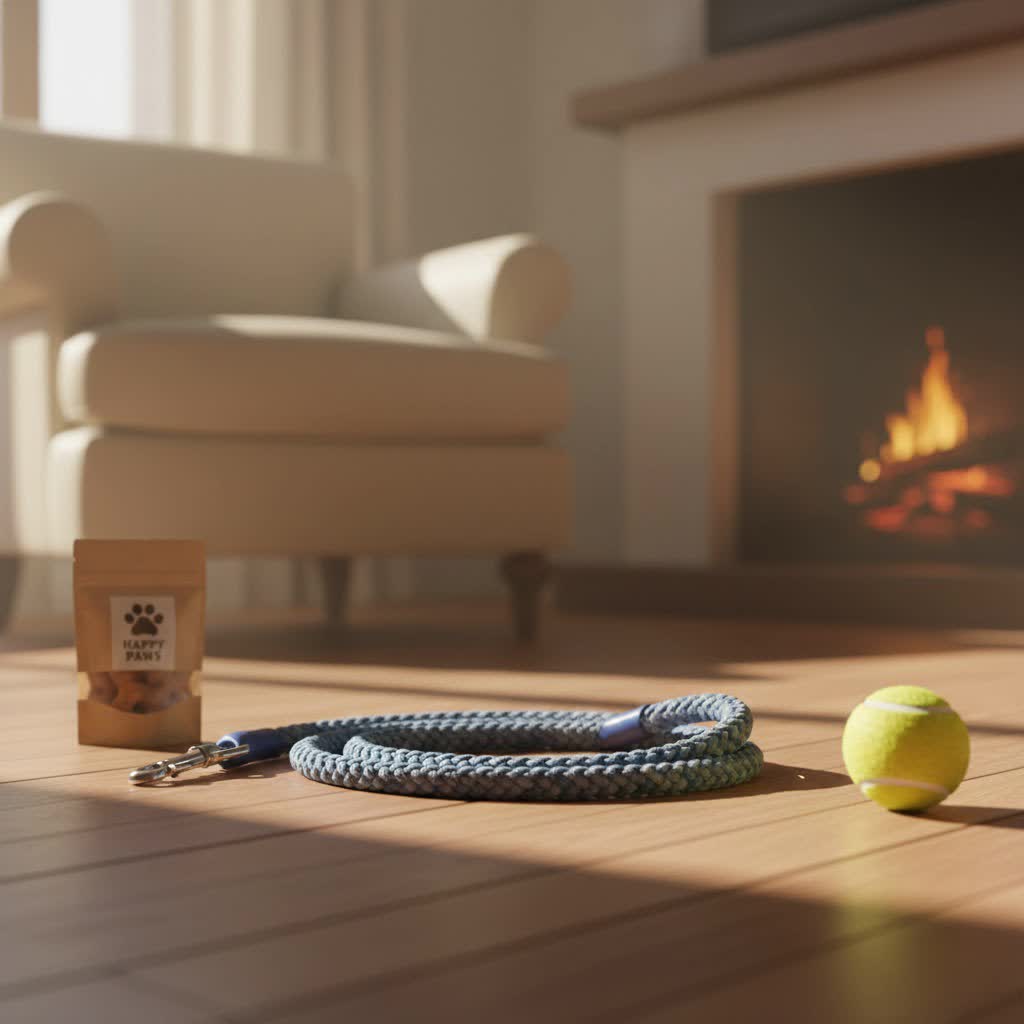
Bringing a dog into your life brings unparalleled joy, companionship, and endless wagging tails. But with great love comes great responsibility, and one of the most fundamental tools for any dog owner is a reliable dog leash. Have you ever felt overwhelmed by the sheer variety available, wondering which one is truly right for your furry friend? From bustling city streets to quiet park trails, the right dog leash isn’t just a legal requirement; it’s a vital connection, a safety net, and a communication tool between you and your canine companion. This comprehensive guide, informed by years of experience in dog care and accessories, will demystify the world of leashes, helping you select the ideal one for your dog’s size, temperament, and your lifestyle.
Understanding the Dog Leash and Its Importance
At its core, a dog leash is a piece of equipment that connects you to your dog, typically attached to a collar or harness. Being “on-leash” means your dog is securely controlled by this tether, preventing them from running loose and ensuring their safety and the safety of others. While seemingly simple, the role of a dog leash extends far beyond mere restraint.
It serves as a crucial safety device, protecting your dog from traffic, unknown hazards, and encounters with other animals that might not be friendly. A leash also provides an essential channel for communication and control during walks, helping you guide your dog and reinforce good manners. For many dogs, the sight of their leash sparks excitement, signaling adventure and quality time with their human. It’s the foundation for teaching loose-leash walking, a skill that creates a harmonious and enjoyable experience for both of you.
Different scenarios call for different types of leashes, but the underlying purpose remains constant: fostering a safe, controlled, and enjoyable connection with your dog.
Popular Dog Leash Types and Their Pros & Cons
The market is brimming with various dog leash designs, each suited for specific situations and dog behaviors. Understanding their unique features, advantages, and disadvantages is key to making an informed choice.
Standard Leash (Fixed-Length Leash)
The standard leash is arguably the most common and versatile type you’ll encounter. Typically ranging from 4 to 6 feet in length, these leashes are usually made from durable materials like nylon, leather, or Biothane, featuring a loop handle and a sturdy metal clasp.
- Pros: Standard leashes are simple, straightforward, and incredibly easy to use, making them a fantastic starting point for any dog owner. They provide a balanced combination of control and freedom, keeping your dog close enough for safety while allowing them some room to explore their immediate surroundings. Being widely available and generally affordable, they are a practical choice for everyday walks and basic obedience training in urban environments or familiar areas. Their robust construction ensures durability for regular use.
- Cons: While versatile, standard leashes offer limited freedom compared to longer options. For dogs that enjoy expansive sniffing or off-leash exploration in safe areas, this length can feel restrictive. Strong pullers can also make holding a standard leash uncomfortable, potentially leading to hand strain or “leash burn” if the material isn’t kind to your skin.
Retractable Leash
|
Our Picks for the Best Dog Leash in 2026
As an Amazon Associate I earn from qualifying purchases.
|
||
| Num | Product | Action |
|---|---|---|
| 1 | Taglory Rope Dog Leash 6 FT with Comfortable Padded Handle, Highly Reflective Threads Leash for Medium Large Dogs, 1/2 inch, Black |

|
| 2 | iYoShop Hands Free Dog Leash with Zipper Pouch, Dual Padded Handles and Durable Bungee for Walking, Jogging and Running Your Dog (Large, 25-120 lbs, Black) |
|
| 3 | Frienda 30ft Galvanized Heavy Duty Dog Chain Tie out Heavy Duty Chain 3mm Chew Proof with 2 Safety Clips Rust Resistant Outdoor Dog Leash for Yard Camping Hiking Park Travel 440lbs Break Strength |
|
| 4 | 16Ft Retractable Dog Leash,Light Weight Leash for Small to Medium Dogs/Cats Up to 50lbs,Stainless Steel Spring Strong Nylon Tape, Tangle Free, One-Handed Brake.(Black) |
|
| 5 | Joytale Tactical Dog Leash Heavy Duty, 4-6FT Shock Absorbing Bungee Lead with 2 Padded Handle, Metal Carabiner Clip, Car Seatbelt, Strong No Pull Leash for Medium Large X-Large Dogs, Coyote Brown |
|
| 6 | Fida Retractable Dog Leash, 16 ft Dog Walking Leash for Small Dogs up to 26 lbs, 360° Tangle Free, Black |
|
| 7 | Hands Free Dog Leash, Adjustable Waist Leash for Dog, Handle Bungee 4.2-6.7 Feet Long with Reflective Stitches for Walking Hiking Running, Fits 26"- 43" Waist, Black & Blue |
|
| 8 | 26Ft Retractable Dog Leash, Heavy Duty Great Leash for Dog up to 110 lbs, Anti-Slip Rubberized Handle, One-Handed Brake, Strong Nylon Tape, Tangle Free(Large Size). |
|
| 9 | Joytale Dog Leash, 6 FT Double-Sided Reflective, Padded Handle Nylon Heavy Duty Leashes for Medium & Large Dogs Walking, Black |
|
| 10 | 2 Pack Dog Leash, 4/5//6 FT Heavy Duty Nylon Rope Pet Leashes with Comfortable Padded Handle, Reflective Dog Leashes for Small Medium and Large Dogs (5FT-1/2,Black/Black) |
|
Retractable leashes feature a thin cord or webbing wound onto a spring-loaded mechanism inside a plastic handle, allowing the length to extend and retract with the push of a button or lever. They can typically extend anywhere from 10 to 30 feet, giving your dog a much wider range of motion.
- Pros: The primary advantage of a retractable leash is the increased freedom it provides for your dog to explore. In open, low-distraction environments, it can allow your dog to sniff around more widely while technically remaining “on-leash.” This can be appealing for dogs who love to roam without truly being off-leash.
- Cons: Despite their appeal, retractable leashes are often discouraged by many dog trainers and veterinarians due to significant safety concerns. They offer poor control, especially with a dog that pulls, as the length allows them to gain considerable momentum before you can react. The sudden jerking motion when the leash reaches its limit can cause neck injuries to your dog or lead to falls for the handler. The thin cord can also cause severe rope burns or cuts if it wraps around a person or animal. Moreover, the constant tension often associated with retractable leashes can teach dogs that pulling is acceptable, hindering proper loose-leash training. They are generally unsuitable for crowded areas or for dogs not yet proficient in loose-leash walking.
Training Leash (Long Line)
Long lines are exactly what they sound like: leashes that are significantly longer than standard ones, often ranging from 10 to 50 feet. They are commonly made from flat cotton webbing, nylon, or Biothane, offering durability and often bright colors for visibility.
- Pros: Training leashes are invaluable tools for specific training purposes, particularly for recall (coming when called) and distance commands in a controlled, open environment. They grant your dog substantial freedom to explore and exercise while still maintaining a connection to you, ensuring safety during the learning process. They are also excellent for “decompression walks” in quiet, spacious areas, allowing your dog to sniff and move naturally without the restrictions of a shorter leash.
- Cons: The extended length can be cumbersome and prone to tangling, especially in busy or wooded areas. Using a long line requires constant vigilance to avoid tripping hazards for both you and your dog. They are not designed for everyday city walks, where close control is paramount. Proper handling technique is essential to prevent injury.
Multi-functional Leash (Adjustable Leash)
Multi-functional or adjustable leashes are designed with multiple rings and clasps along their length, allowing them to be configured in various ways. Some can be worn hands-free around the waist or shoulder, while others can be shortened, lengthened, or even used to walk two dogs simultaneously.
- Pros: The primary benefit of these leashes is their remarkable versatility. You can quickly adapt the length to suit different situations—a shorter length for crowded areas and a longer one for open spaces. Many adjustable leashes offer hands-free options, which is great for active owners who enjoy running, hiking, or simply prefer to keep their hands free for other tasks, provided their dog walks well. This adaptability can reduce the need for multiple specialized leashes.
- Cons: While versatile, the multiple clips and rings can sometimes make these leashes feel more complex to use initially. Some designs might be heavier or bulkier than a simple standard leash, and the extra hardware could potentially snag on things. The hands-free feature, while convenient, is best reserved for well-trained dogs that do not pull, as a strong pull could throw an owner off balance.
Other Notable Leash Types
- Double Handle Leash: A variation of the standard leash, featuring an additional handle positioned closer to the clip. This “traffic handle” provides immediate, close control, ideal for busy sidewalks, crossing streets, or managing a reactive dog.
- Hands-Free Leash: Often combined with multi-functional designs or standalone waist-worn belts, these allow you to attach your dog’s leash to your waist or shoulder, freeing your hands. Bungee sections are common to absorb shock from sudden pulls.
- Chain Leash: Made of metal links, these are extremely durable and chew-proof, making them suitable for dogs that are prone to chewing through fabric leashes. They offer very strong control but can be heavy and might not be comfortable for all handlers or dogs.
- Rope Leash: Offers a classic look and often a comfortable grip, especially for strong dogs. They tend to be durable and resistant to wear.
- Martingale and Slip Leashes: These leashes are often used in conjunction with a Martingale collar or as a standalone slip lead. They tighten gently when a dog pulls, providing a corrective signal without the harshness of a choke chain. They are effective training tools for dogs that tend to slip out of collars or pull excessively.
Comparison of Popular Dog Leash Types
Choosing the right leash depends heavily on your dog’s specific needs, your environment, and your training goals. Here’s a quick comparison:
| Type of Leash | Pros | Cons | Best Suited For |
|---|---|---|---|
| Standard | Simple, durable, good control, affordable | Limited freedom | Everyday walks, basic obedience, urban environments |
| Retractable | More freedom to explore in open areas | Poor control, dangerous, can encourage pulling | Well-trained dogs in very safe, open spaces |
| Training (Long Line) | Excellent for recall/distance training, exercise | Tangling, requires full attention, not for city | Training, decompression walks, open fields |
| Multi-functional | Versatile, adjustable length, hands-free options | Can be complex, more hardware, higher cost | Diverse activities, active owners, adapting to situations |
| Double Handle | Immediate close control, enhanced safety | Slightly less overall leash length | Busy areas, reactive dogs, strong pullers |
| Chain | Chew-proof, extremely durable, strong | Heavy, less comfortable for some dogs/handlers | Strong chewers, heavy-duty control |
How to Choose the Perfect Dog Leash: Factors to Consider
Selecting the ideal dog leash involves more than just picking the first one you see. Several crucial factors should guide your decision, ensuring safety, comfort, and effectiveness for both you and your dog.
Material
The material of your dog’s leash directly impacts its durability, weight, and comfort.
- Nylon: This is a very popular choice due to its excellent balance of durability, affordability, and ease of cleaning. Nylon leashes come in a vast array of colors and styles, making them a versatile option for most dogs and owners. However, cheaper nylon can sometimes fray over time, and a strong puller can still cause “leash burn” if the material isn’t smooth or handled improperly.
- Leather: Known for its classic aesthetic and exceptional longevity, leather leashes are incredibly durable and become softer and more pliable with age. They offer a luxurious feel and are generally comfortable to hold, providing a firm grip. The downside is that leather requires more maintenance to prevent drying and cracking, and it typically comes at a higher price point. It’s also not ideal for very wet conditions unless specifically treated.
- Biothane: A synthetic material with a look and feel similar to leather, Biothane is incredibly durable, waterproof, and odor-proof, making it an excellent choice for active dogs and wet environments. It’s also easy to clean and won’t rot or mildew. Biothane leashes are often a favorite for long lines and training due to their robust nature.
- Metal (Chain): Chain leashes are primarily used for strong chewers or dogs that repeatedly destroy other leash types. They are virtually indestructible but can be heavy, noisy, and may not be comfortable to hold for long periods. They are not recommended for everyday use unless absolutely necessary.
- Rope: Often made from climbing rope, these leashes are known for their strength and durability. They can be comfortable to hold and offer a good grip, especially for larger, stronger dogs.
Length
The ideal leash length depends significantly on your dog’s size, training level, and where you’ll be walking.
- 4-6 feet (1.2m – 1.8m): This is the standard and most recommended length for general use, daily walks, and obedience training. It provides sufficient control in most environments, keeping your dog close enough to navigate crowded areas safely while allowing for some sniffing and exploration. For puppies or dogs in initial training, a 4-foot leash can be particularly helpful for teaching them to walk politely by your side.
- 1-3 feet (Traffic Lead): Very short leashes, often called traffic leads, are excellent for maintaining extremely close control over large or strong dogs in highly congested areas or during specific training maneuvers. They prevent your dog from getting too far ahead or straying into danger.
- 10-30 feet (3m – 9m+): Longer leashes or “long lines” are primarily for training recall, practicing distance commands, or allowing your dog more freedom for sniffing and exploration in safe, open spaces away from traffic and people. They are not suitable for crowded environments.
Width
The width of the leash should correspond to your dog’s size and strength, as well as your comfort.
- Narrow (e.g., 5/8 inch): Lighter weight with a smaller clip, these are perfect for small to medium-sized dogs, puppies, or larger dogs that are exceptionally well-trained and don’t pull.
- Wider (e.g., 3/4 inch to 1 inch): Thicker leashes with stronger clips are recommended for medium to large breeds and powerful pullers. The wider material distributes pressure more effectively and provides a more secure grip for the handler, reducing the risk of the leash slipping or causing discomfort.
Clasps and Clips
The hardware connecting the leash to your dog’s collar or harness is critical for security. Look for:
- Sturdy Construction: Clasps should be made from strong, durable metal (like brass, stainless steel, or heavy-duty aluminum) that won’t bend or break under pressure.
- Easy to Use: The clip should be easy to attach and detach, even with one hand, but secure enough that it won’t accidentally come undone.
- Rust-Resistant: Especially if you live in a humid climate or frequently walk your dog in wet conditions, rust-resistant hardware will prolong the life of your leash and maintain its strength.
- Swivel Function: A swivel clip prevents the leash from twisting and tangling, enhancing comfort and control.
Handle
Your comfort is just as important as your dog’s safety. A comfortable handle can make a significant difference, especially during longer walks or with a dog that occasionally pulls.
- Padded Handles: Handles lined with neoprene, fleece, or other soft materials can prevent chafing and “leash burn,” making walks much more enjoyable.
- Ergonomic Design: Some handles are designed to fit the hand more naturally, reducing fatigue.
- Double Handles: As mentioned, a second “traffic handle” closer to the dog provides an immediate, secure grip for close control when needed.
Reputable Dog Leash Brands
Investing in a high-quality leash from a reputable brand ensures durability, safety, and a better walking experience. Here are some trusted names known for their commitment to pet products:
- PetSafe: A well-known brand offering a range of leashes, including their popular standard nylon leashes and training-focused options like harnesses.
- Ruffwear: Renowned for its outdoor gear, Ruffwear produces durable, adventure-ready leashes and harnesses, often featuring thoughtful designs like bungee sections for shock absorption and hands-free capabilities. Their Roamer Bungee Dog Leash is a favorite for active owners.
- Max and Neo: This brand is highly regarded for its robust and practical designs, particularly their Double Handle Dog Leash, which offers enhanced control for everyday use and in busy areas. They also donate a leash to a dog rescue for every leash purchased.
- KONG: Famous for its durable dog toys, KONG also offers a selection of strong and reliable leashes built to withstand enthusiastic dogs.
- Blueberry Pet: Known for offering stylish yet durable pet accessories, including a variety of leashes in different materials and patterns.
- Soft Touch Collars: Specializes in comfortable and aesthetically pleasing leather leashes and collars.
- Zee.Dog: Offers a range of trendy and functional leashes, including shock-absorbing options.
- Kurgo: Provides innovative solutions for adventurous dogs and owners, including versatile multi-functional and hands-free leashes.
“A high-quality leash isn’t just about restraining your dog; it’s about building a language of trust and guidance. It should feel like an extension of your hand, not a battle rope.” – Malaysia Speaks, Owner and Founder of Paw Time Favorite Pet Sitting.
Tips for Using and Maintaining Your Dog Leash
Once you’ve chosen the perfect leash, knowing how to use and care for it will enhance its effectiveness and lifespan.
Proper Leash Handling
- Hold Firmly but Loosely: Always maintain a secure grip, but aim for a relaxed hold that allows for some slack in the leash. Constant tension teaches your dog to pull against it.
- Keep Your Dog on Your Side: Whether you prefer your dog on your left or right, be consistent. This helps them understand their position and anticipate your movements.
- Use Positive Reinforcement: Reward your dog frequently with treats and praise when they walk nicely on a loose leash. If they pull, stop walking until the leash loosens, then continue. This teaches them that pulling gets them nowhere.
- Avoid Letting the Leash Drag: A leash dragging on the ground can get tangled around your feet or your dog’s legs, creating a tripping hazard.
- Be Aware of Your Surroundings: Always pay attention to your environment, other people, and other dogs to anticipate potential distractions or hazards.
Preventing Tangles
- Maintain Slack: A loose leash is less likely to tangle than a taut one.
- Practice Direction Changes: Teach your dog to follow your lead and turn with you, preventing them from crossing in front or behind you unnecessarily.
- Proper Storage: When not in use, coil your leash neatly to prevent knots and kinks.
Cleaning and Care
Regular cleaning and proper storage will extend the life of your leash.
- Nylon Leashes: Most nylon leashes can be hand-washed with mild soap and water, or even tossed into a laundry bag and machine-washed on a gentle cycle with cold water. Air dry completely.
- Leather Leashes: Clean with a damp cloth and mild leather cleaner. Condition regularly with a leather conditioner to keep it supple and prevent cracking. Avoid soaking leather leashes.
- Biothane Leashes: Simply wipe clean with a damp cloth and mild soap. They dry quickly and require minimal maintenance.
- Inspect Regularly: Before each walk, quickly inspect the leash for any signs of wear and tear, such as frayed edges, weakened stitching, or damaged clips. Replace the leash if you notice any significant damage.
Public Safety Notes
- Leash Laws: Always adhere to local leash laws, which are in place for the safety of pets and people.
- Respect Others’ Space: Keep your dog close in crowded areas and be mindful of people who may be uncomfortable around dogs.
- Encountering Other Dogs: Always assume another dog is not friendly or reactive, and maintain control of your dog. Ask before allowing your dog to greet another dog.
Where to Buy Dog Leashes
Finding the right dog leash is easier than ever with numerous options available both online and in brick-and-mortar stores.
- Reputable Pet Stores: Local pet supply stores are great places to physically inspect leashes, feel the materials, and get advice from knowledgeable staff. They often carry a variety of brands and types.
- Online Retailers: Websites like Amazon, Chewy, and the official sites of brands like PetSafe, Ruffwear, and Max and Neo offer an extensive selection, often with competitive pricing and detailed customer reviews. Be sure to check return policies before purchasing.
- Specialty Boutiques: For unique designs, artisan craftsmanship, or specific materials like Biothane, specialty pet boutiques or online shops focusing on handmade pet gear can be excellent sources.
When buying online, pay close attention to product descriptions regarding material, length, width, and hardware. Read customer reviews to gauge real-world performance and durability.
Conclusion
Choosing the perfect dog leash is a crucial step in ensuring your canine companion’s safety, comfort, and good behavior. It’s more than just a piece of equipment; it’s an essential bond that facilitates communication and shared adventures. By considering your dog’s size and temperament, your lifestyle, and the specific environments you frequent, you can select from the wide array of standard, training, multi-functional, and specialized leashes available. Remember to prioritize durable materials like nylon, leather, or Biothane, and always opt for sturdy hardware and a comfortable handle.
Consistent positive reinforcement during training sessions, coupled with regular inspection and care of your leash, will create a harmonious walking experience for years to come. A well-chosen and properly used dog leash empowers you to confidently navigate the world with your best friend by your side.
What exciting adventures will you embark on with your perfectly leashed companion?
Frequently Asked Questions
How do I stop my dog from pulling on the leash?
To stop leash pulling, consistently use positive reinforcement. When your dog pulls, immediately stop walking. Only resume walking when the leash loosens. Reward your dog with treats and praise when they walk nicely by your side on a loose leash. Avoid using retractable leashes for training, as they can inadvertently encourage pulling by providing constant tension.
What is the best leash length for a puppy?
For puppies, a standard fixed-length leash of 4 to 6 feet (1.2m – 1.8m) is generally recommended. This length offers sufficient control for teaching basic leash manners and keeping your puppy close, which is vital during their early training phases. Longer leashes can be overwhelming for a puppy learning the ropes.
Are retractable leashes safe for all dogs?
No, retractable leashes are not recommended for all dogs, especially not for puppies or dogs still learning leash manners. They offer minimal control, which can lead to dangerous situations like sudden jerks causing injury to the dog’s neck or handler falls. They are best reserved for well-trained dogs in very open, safe, and low-distraction environments.
Pet products vetted on real animals
Practical specs, not advice. Unsubscribe anytime.
