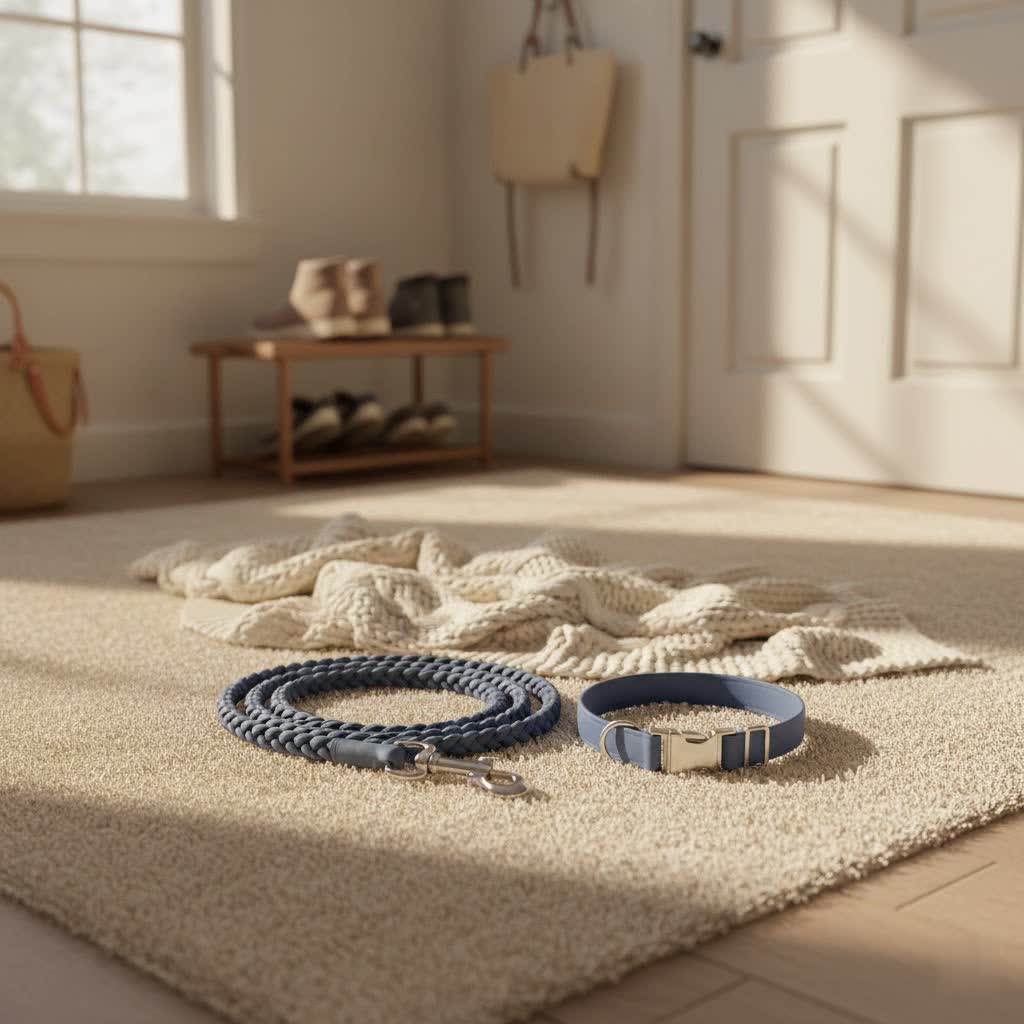
Every dog owner understands the unspoken bond forged during a simple walk. The right dog leash is more than just a piece of equipment; it’s a vital connection, a tool for communication, and a key to countless shared adventures. With over a decade of hands-on experience in the world of canine companions and their accessories, I’ve had the pleasure of testing countless leashes, from the most basic designs to innovative smart solutions. My goal is to equip you with the knowledge to select a dog leash that perfectly suits your furry friend and enhances your time together.
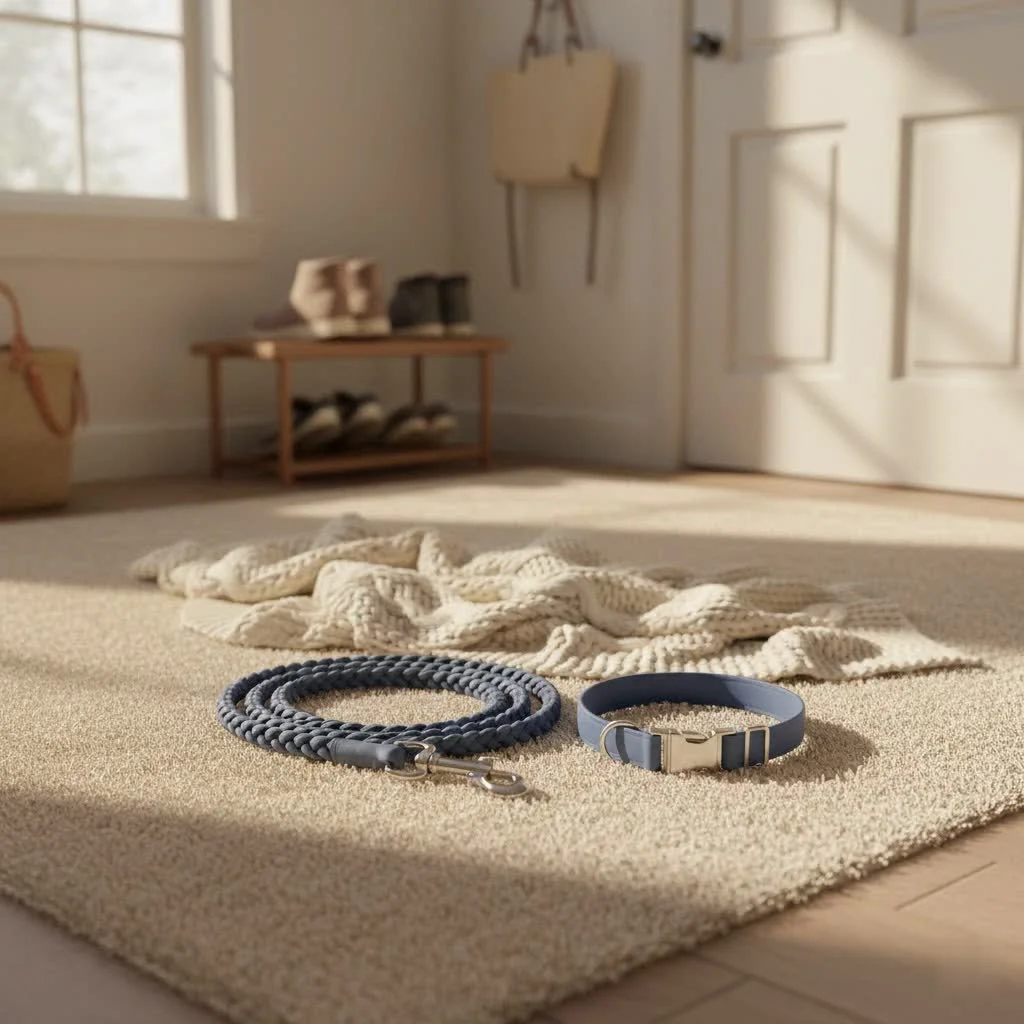
What is a Dog Leash and Why Are They Important?
A dog leash is a tether that connects a dog to its handler, typically attaching to a collar or harness. Its primary role is to provide a safe and controlled means of guiding your dog, whether you’re navigating busy city sidewalks or exploring tranquil park trails. Beyond simple restraint, a leash is an indispensable training aid, helping to teach proper walking etiquette and ensuring your dog’s safety in various environments. Many communities also have leash laws, making their use a legal requirement for public outings.
The importance of using a dog leash extends to preventing mishaps and ensuring peace of mind. A secure leash can keep your dog from darting into traffic, chasing after wildlife, or approaching unfamiliar people or animals without supervision. It also serves as a direct line of communication, allowing you to give subtle cues and maintain a consistent connection with your dog, fostering a stronger bond built on trust and understanding.
Popular Dog Leash Types and Their Pros & Cons
Navigating the vast array of dog leashes can feel overwhelming, but understanding the common types helps simplify the choice. Each design offers distinct advantages and disadvantages, catering to different dogs, lifestyles, and training needs.
Standard Leash
The classic flat leash is perhaps the most ubiquitous type, typically made from durable nylon or leather, ranging from 4 to 8 feet in length, with 6 feet being the most common. This length provides a good balance of freedom for your dog while maintaining ample control for the handler.
- Pros: Standard leashes are simple, straightforward to use, and generally affordable. They are highly versatile for everyday walks and basic obedience training. Many come in various colors and materials, offering options for personal style.
- Cons: These leashes offer fewer specialized features. If your dog is a strong puller, the constant tension can lead to hand fatigue or even rope burn if the material is abrasive.
Retractable Leash
Ret retractable leashes feature a thin cord or tape that extends from a handle, allowing you to adjust the length your dog can roam with the push of a button. They often provide lengths up to 30 feet or more.
- Pros: They offer a sense of freedom for dogs in open, safe areas, allowing them to explore further while still being technically “on leash.”
- Cons: Despite their popularity, retractable leashes can be problematic. They offer less immediate control, making it difficult to quickly reel in a dog in emergencies. The thin cords can cause severe rope burns or entanglement injuries to both dogs and handlers. Additionally, the constant tension can inadvertently teach a dog to pull, as extending the leash becomes associated with moving forward. Many experts advise against them for everyday use, especially in crowded areas.
Training Leash
Training leashes encompass a range of styles designed to aid in specific obedience work. Long lines, for instance, are typically 10 to 50 feet long, providing extended freedom for practicing recall and distance commands in secure environments. Adjustable leashes offer multiple length settings through rings or clips along the lead.
- Pros: These leashes are invaluable tools for focused training, allowing dogs to practice commands from a distance while remaining tethered. They offer handlers precise control over the leash length, adapting to different training scenarios.
- Cons: Long lines require careful handling to prevent tangling and can be cumbersome in confined spaces. Specialized training leashes often necessitate a solid understanding of dog behavior and training techniques to be used effectively.
Multi-functional Leash
This category includes leashes designed for specific purposes or combining multiple features. Examples include:
-
Double Dog Leashes: Featuring one handle that splits into two leads, ideal for walking two well-behaved dogs simultaneously.
-
Hands-Free Leashes: Designed to be worn around the waist or shoulder, allowing owners to run or hike with their dog while keeping their hands free.
-
Chain Leashes: Made of metal, these are best suited for dogs that chew through other materials, though their weight can be a concern for smaller dogs.
-
Martingale Leashes: A combined collar and leash that tightens gently around the neck when pulled, discouraging pulling without choking.
-
Pros: Multi-functional leashes offer incredible versatility, addressing specific needs like walking multiple dogs, engaging in active sports, or preventing chewing. They can provide specialized control or convenience.
-
Cons: Their specialized nature means they may not be suitable for all situations or dogs. Some, like chain leashes, can be heavy, while others, like hands-free options, require dogs to be well-trained to avoid mishaps.
Comparison Table: Choosing the Right Leash
|
Our Picks for the Best Dog Leash in 2026
As an Amazon Associate I earn from qualifying purchases.
|
||
| Num | Product | Action |
|---|---|---|
| 1 | Taglory Rope Dog Leash 6 FT with Comfortable Padded Handle, Highly Reflective Threads Leash for Medium Large Dogs, 1/2 inch, Black |

|
| 2 | Frienda 30ft Galvanized Heavy Duty Dog Chain Tie out Heavy Duty Chain 3mm Chew Proof with 2 Safety Clips Rust Resistant Outdoor Dog Leash for Yard Camping Hiking Park Travel 440lbs Break Strength |
|
| 3 | 16Ft Retractable Dog Leash,Light Weight Leash for Small to Medium Dogs/Cats Up to 50lbs,Stainless Steel Spring Strong Nylon Tape, Tangle Free, One-Handed Brake.(Black) |
|
| 4 | Fida Retractable Dog Leash, 16 ft Dog Walking Leash for Small Dogs up to 26 lbs, 360° Tangle Free, Black |
|
| 5 | Joytale Dog Leash, 6 FT Double-Sided Reflective, Padded Handle Nylon Heavy Duty Leashes for Medium & Large Dogs Walking, Black |
|
| 6 | Hands Free Dog Leash, Adjustable Waist Leash for Dog, Handle Bungee 4.2-6.7 Feet Long with Reflective Stitches for Walking Hiking Running, Fits 26"- 43" Waist, Black & Blue |
|
| 7 | 2 Pack Dog Leash, 4/5//6 FT Heavy Duty Nylon Rope Pet Leashes with Comfortable Padded Handle, Reflective Dog Leashes for Small Medium and Large Dogs (5FT-1/2,Black/Black) |
|
| 8 | Joytale Tactical Dog Leash Heavy Duty, 4-6FT Shock Absorbing Bungee Lead with 2 Padded Handle, Metal Carabiner Clip, Car Seatbelt, Strong No Pull Leash for Medium Large X-Large Dogs, Coyote Brown |
|
| 9 | 26Ft Retractable Dog Leash, Heavy Duty Great Leash for Dog up to 110 lbs, Anti-Slip Rubberized Handle, One-Handed Brake, Strong Nylon Tape, Tangle Free(Large Size). |
|
| 10 | iYoShop Hands Free Dog Leash with Zipper Pouch, Dual Padded Handles and Durable Bungee for Walking, Jogging and Running Your Dog (Large, 25-120 lbs, Black) |
|
| Type of Leash | Pros | Cons | Best Suited For |
|---|---|---|---|
| Standard Leash | Simple, easy to use, affordable, good control. | Less specific features, can cause hand fatigue if dog pulls. | Most dogs, everyday walks, basic training. |
| Retractable Leash | Allows more freedom to roam in open spaces. | Difficult to control, risk of rope burn/injuries, can teach pulling. | Well-trained dogs in very open, safe environments. |
| Training Leash | Excellent for obedience training, recall practice, flexible length. | Can be cumbersome, requires handler skill, prone to tangling. | Puppies, dogs in training, practicing distance commands. |
| Multi-functional | Versatile for specific needs (e.g., two dogs, running, chewing). | Can be complex to use, often specialized, higher cost. | Active owners, multi-dog households, chewers, specific training needs. |
How to Choose the Perfect Dog Leash: Factors to Consider
Selecting the ideal dog leash involves more than just picking a color; it’s about matching the leash to your dog’s size, temperament, and your shared activities. Here’s a detailed guide to help you make an informed decision.
Material
The material of a dog leash dictates its durability, feel, and maintenance requirements.
- Nylon: Durable, easy to clean, and affordable, nylon is a popular choice for its versatility and wide range of colors. However, it can cause friction burns if a strong-pulling dog jerks against your hand, and it’s susceptible to chewing.
- Leather: Offering a classic look and superior comfort, leather leashes soften with age and provide an excellent grip. They are very durable and long-lasting if properly maintained, but they are more expensive and require conditioning to prevent drying and cracking, especially if frequently exposed to water.
- Metal (Chain): Best for heavy chewers, chain leashes are virtually indestructible. They vary in weight and thickness and should be chosen carefully for smaller dogs to avoid excessive bulk. It’s crucial to monitor dogs with chain leashes to prevent dental damage.
Length
Leash length directly impacts the control you have and the freedom your dog experiences.
- 1.2m – 1.8m (4-6 feet): This is the standard and most recommended length for daily walks and basic training. It provides enough slack for your dog to explore safely while keeping them close enough for immediate control in crowded or potentially hazardous areas.
- 3m – 5m (10-15 feet): Longer leashes offer more freedom for exploration, making them suitable for training recall in open, safe spaces or for dogs who enjoy a bit more sniffing room on casual strolls away from traffic.
- Long Lines (up to 50 feet): Primarily used for advanced training like off-leash obedience practice in secure, expansive areas.
Width
The width of the leash should correspond to your dog’s size and strength. A wider leash generally indicates greater strength and durability.
- Under 1/2 inch (e.g., 3/8 inch): Ideal for small dogs or puppies who are less likely to pull forcefully. Thinner leashes are lighter and more flexible, but can be less comfortable to hold if a dog pulls.
- 1/2 inch to 1 inch: Recommended for medium to large dogs weighing over 50 pounds. This width offers the necessary strength to withstand pulling and provides a more comfortable grip for the handler. Avoid excessively wide leashes for smaller breeds, as they can be heavy and restrictive.
Clasps and Hooks
The connection point between the leash and your dog’s collar or harness is critical for safety.
- Quality Material: Always opt for sturdy metal clips, preferably made of stainless steel or brass to resist rust and corrosion, ensuring longevity and reliability.
- Type of Clip:
- Bolt Snap: A common spring-loaded clip that slides open. While popular, the spring can weaken over time, potentially allowing an escape. Regular inspection is advised.
- Trigger Snap: Often more robust than bolt snaps, these clips feature a lever mechanism. Their design means that tension on the leash actually helps to keep them securely closed, making them a highly reliable choice for strong or energetic dogs.
- Ease of Use: Consider your own dexterity. Choose a clip that is easy for you to operate quickly and securely, especially in cold weather or when wearing gloves.
Handle
The comfort of the leash handle is often overlooked but crucial for an enjoyable walk.
- Padded Handles: Many leashes come with padded handles made of neoprene or foam, offering increased comfort and reducing strain on your hand, especially beneficial for dogs that tend to pull.
- Ergonomic Design: Look for handles that fit comfortably in your hand, preventing chafing or discomfort during longer walks. A second “traffic handle” closer to the clip can be very useful for keeping your dog close in crowded situations.
“A well-chosen dog leash is more than just a tool; it’s a vital connection to safety and a gateway to shared adventures.”
Reputable Dog Leash Brands
Investing in a quality leash from a trusted brand ensures durability, safety, and comfort for both you and your dog. Here are some of the most respected names in the pet accessory industry:
- PetSafe: Known for a wide range of pet products, PetSafe offers reliable and functional leashes, including standard nylon options that are praised for their simplicity and durability at an affordable price point. They also provide innovative solutions like hands-free leashes.
- Ruffwear: A favorite among active dog owners, Ruffwear specializes in high-performance outdoor gear. Their leashes are designed for adventure, featuring robust materials, reflective accents, and comfortable handles, ideal for hiking and running.
- Kong: Famous for their durable dog toys, Kong also produces tough leashes built to withstand strong dogs. Their leashes often integrate features for added strength and control.
- Blueberry Pet: If style and variety are important, Blueberry Pet offers a vast selection of fashionable leashes in diverse colors, patterns, and materials, without compromising on quality or comfort.
- Frisco: Providing excellent value, Frisco offers a comprehensive range of leashes from standard nylon to retractable and hands-free options, known for being dependable and budget-friendly.
Tips for Using and Maintaining Your Dog Leash
Proper usage and consistent maintenance will extend the life of your dog’s leash and ensure optimal safety and control during your walks.
Correct Grip and Control
Always hold the leash firmly but comfortably in your dominant hand. Avoid wrapping the leash around your wrist or fingers, as a sudden pull can cause severe injuries like fractures or rope burns. Instead, loop the handle over your thumb or secure it loosely in your hand, allowing you to release it safely if necessary. Maintain an upright posture and walk with your dog at your side, providing clear guidance. If your dog pulls, stand firm (“be a tree”) rather than pulling back, waiting for the leash to slacken before continuing.
Avoiding Tangles
To prevent your leash from becoming a tangled mess, especially with longer leads, always be mindful of its length relative to your dog’s position. When shortening the leash temporarily, coil the excess neatly in your hand instead of letting it drag. For multi-dog households, using a double dog leash with a swivel connector can significantly reduce tangles.
Cleaning and Storage
Regular cleaning and proper storage are key to prolonging your leash’s lifespan.
- Cleaning: Wipe down nylon and synthetic leashes with a damp cloth after each walk, especially in muddy or wet conditions. For deeper cleaning, use mild soap and water. Leather leashes require specialized leather cleaners and conditioners to keep them supple and prevent cracking.
- Drying: Always ensure your leash is completely dry before storing it. Moisture can lead to mildew, unpleasant odors, and can cause metal components to rust.
- Storage: Hang your leash on a hook or store it in a designated spot where it won’t get tangled, crushed, or chewed by your curious canine. Inspect the leash regularly for any signs of fraying, wear, or loose clips, and replace it if you notice any damage.
Public Safety Considerations
When walking your dog in public, always be aware of your surroundings. Keep your dog on a shorter leash in crowded areas or near busy roads to maintain maximum control. Consider reflective leashes or accessories for nighttime walks to enhance visibility. Respect other pedestrians and dog owners by keeping your dog close when passing, and always adhere to local leash laws.
Where to Buy Dog Leashes
Finding the right dog leash is easier than ever, with numerous options available both in brick-and-mortar stores and online.
Pet Stores and Specialty Shops
Local pet stores and specialty shops offer the advantage of hands-on experience. You can physically inspect different materials, lengths, and widths, and get a feel for the handle comfort. Knowledgeable staff can provide personalized recommendations based on your dog’s size, breed, and your specific needs. This direct interaction can be invaluable, especially for first-time buyers or those with unique requirements.
Online Retailers
E-commerce giants like Amazon, Chewy, and Walmart, along with brand-specific websites, offer an extensive selection of dog leashes that often surpasses what’s available in physical stores.
- Variety: You’ll find a vast array of materials, styles, lengths, and colors.
- Reviews: Customer reviews and ratings can provide insights into a leash’s real-world performance and durability.
- Convenience: Shopping from home and having products delivered to your door is highly convenient.
When buying online, always read product descriptions carefully, pay attention to dimensions, and check customer feedback regarding quality and fit. Look for retailers with clear return policies in case the leash isn’t quite right for your dog. Consider buying matching collars or harnesses for a coordinated and safe setup.
Conclusion
Choosing the perfect dog leash is a thoughtful process that significantly impacts the safety, comfort, and enjoyment of your walks. From the simplicity of a standard nylon leash to the specialized control of a training line, each type serves a unique purpose. By considering factors like material, length, width, and clip type, you can make an informed decision that aligns with your dog’s needs and your lifestyle. Remember to prioritize safety through proper usage and regular maintenance, ensuring your leash remains a reliable tool for years to come. Ultimately, the best leash is one that fosters a harmonious connection, allowing you and your canine companion to explore the world together confidently and securely.
What’s the next adventure you and your dog will embark on with your new perfect leash?
Frequently Asked Questions
What is the ideal leash length for a dog that pulls?
For a dog that pulls, a standard 4-foot to 6-foot leash is often recommended. Shorter lengths provide more immediate control and make it easier to correct pulling behavior, keeping your dog closer to you in challenging situations.
Are retractable dog leashes safe for puppies?
Retractable leashes are generally not recommended for puppies or dogs undergoing leash training. They offer limited control, can teach puppies to pull by rewarding forward momentum, and pose risks of rope burns or entanglement if not handled properly.
How often should I replace my dog’s leash?
The lifespan of a dog leash varies, but you should inspect it regularly for signs of wear and tear, such as fraying, stretching, or damage to the clips. Replace your leash immediately if you notice any significant damage to ensure your dog’s safety.
Can a leather dog leash get wet?
Leather leashes can get wet, but prolonged exposure to moisture should be avoided as it can dry out the leather, causing it to crack or stiffen. If a leather leash gets wet, allow it to air dry naturally and then treat it with a leather conditioner to maintain its quality and flexibility.
What is a “traffic handle” on a dog leash?
A traffic handle is an additional loop sewn into a dog leash, typically closer to the clip, providing a shorter grip point. This feature is designed for situations where you need to keep your dog very close to you, such as crossing busy streets or navigating crowded areas.
Is there a specific leash type for dogs with aggression issues?
For dogs with aggression issues, experts often recommend using a standard 4-foot leash in conjunction with a well-fitting harness (like a front-clip harness) or a head halter. These tools offer better control and help redirect your dog’s attention without causing discomfort or injury.
What is the best way to clean a nylon dog leash?
To clean a nylon dog leash, you can hand wash it with mild soap and warm water, or for a deeper clean, place it in a mesh laundry bag and machine wash it on a gentle cycle with mild detergent. Always air dry the leash completely before its next use to prevent mildew.
Pet products vetted on real animals
Practical specs, not advice. Unsubscribe anytime.
