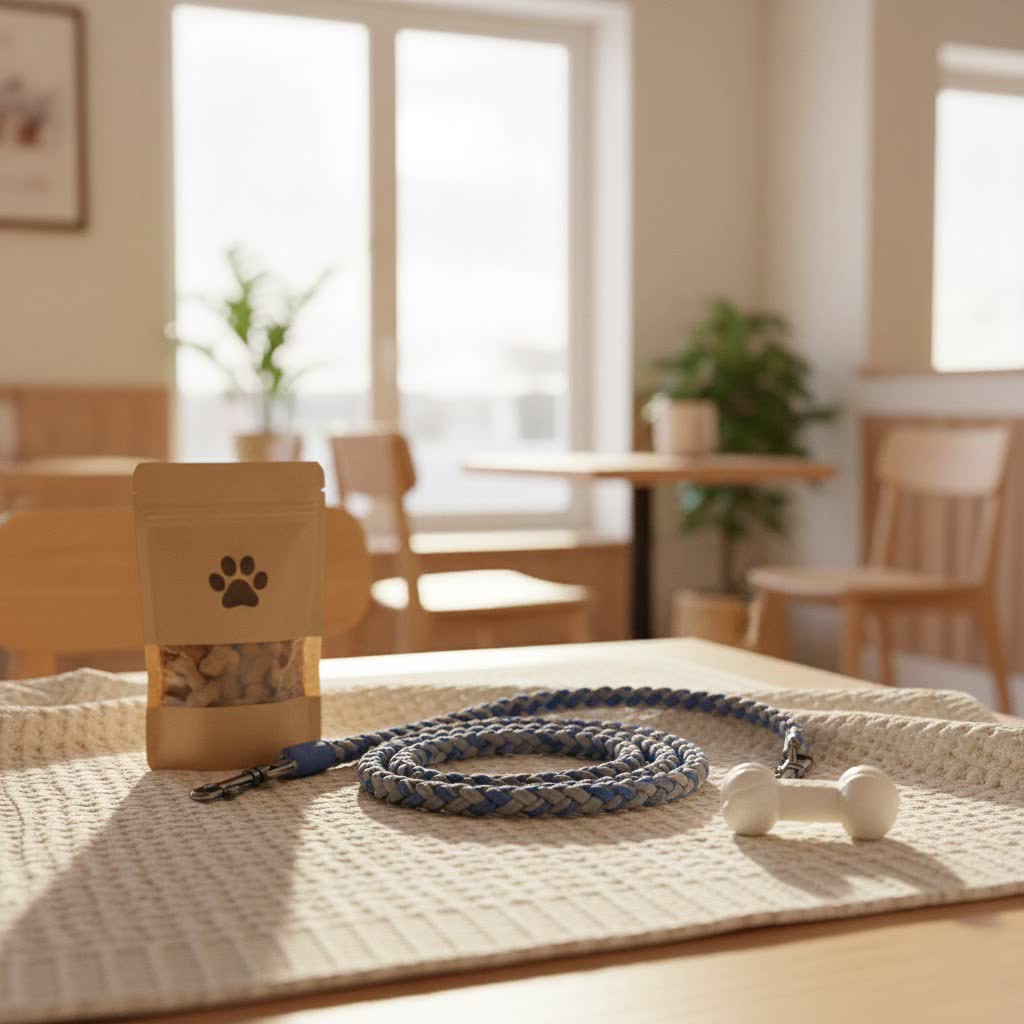
Walking your small dog should be a joyful and safe experience for both of you. As an experienced Admin from reviewsgood.com, with over a decade in the pet industry, I’ve seen countless leashes come and go. When it comes to our pint-sized pals, selecting the right small dog leash is paramount for their safety, comfort, and effective communication during walks. This comprehensive guide will equip you with all the knowledge needed to choose a leash that’s not just functional, but perfectly tailored for your beloved little friend.
Choosing the Perfect Small Dog Leash: Your A-to-Z Guide
Small dogs have unique needs that differ significantly from their larger counterparts. Their delicate necks, smaller stature, and often boundless energy mean that a “one-size-fits-all” approach to leashes simply won’t work. A well-chosen leash acts as a vital communication tool, fostering a secure connection between you and your dog, ensuring their safety, and preventing them from darting into harm’s way. Understanding these specific requirements is the first step toward a harmonious walking routine.
What is a Dog Leash and Why is it Important for Small Dogs?
A dog leash is a fundamental piece of equipment that connects you to your canine companion, primarily for control and safety during walks. For small dogs, a leash is not merely a restraint; it’s an extension of your arm, guiding them through the world and keeping them secure. Due to their compact size, small dogs can easily be overlooked in busy environments, making a visible and robust connection essential. Furthermore, a leash helps manage their natural curiosity, preventing them from chasing after distractions or encountering hazards like traffic or other animals. It’s also a key tool in polite leash training, teaching them to walk calmly by your side.
Popular Small Dog Leash Types and Their Pros & Cons
The market offers a diverse array of leashes, each with its own advantages and disadvantages, especially when tailored for small breeds.
- Standard Leash: These are the most common leashes, typically a fixed length of nylon, leather, or cotton, usually between 4 to 6 feet long.
- Pros: Simple to use, affordable, and excellent for teaching basic leash manners and maintaining consistent control. They are reliable for daily strolls with well-behaved small dogs.
- Cons: Offers less freedom than other types, and if your small dog pulls, a thin standard leash without a padded handle can cause discomfort for your hand.
- Retractable Leash: Designed with a spring-loaded mechanism, these leashes allow you to adjust the length with a button, giving your dog more room to explore.
- Pros: Can provide a sense of freedom for your dog in open, safe environments.
- Cons: They are generally not recommended for small dogs, or any dog, due to significant safety concerns. They make it difficult to maintain immediate control, can cause serious injuries to both dog and owner if the dog suddenly pulls or the leash snaps, and can teach dogs to pull.
- Training Leash (Long Line/Slip Lead): Long lines are extended leashes (15-30 feet) used for recall training and allowing freedom in safe, open spaces. Slip leads combine a collar and leash into one, often used for immediate correction during training.
- Pros: Long lines are invaluable for practicing recall and allowing your small dog to explore larger areas safely. Slip leads, when used correctly, can help manage pulling during training sessions.
- Cons: Long lines can easily get tangled and require significant space to use safely. Slip leads require proper technique to avoid discomfort or injury to your dog’s delicate neck.
- Hands-Free Leash: These leashes typically attach around your waist or cross your body, leaving your hands free.
- Pros: Ideal for active owners who enjoy running, hiking, or simply need their hands free for multitasking. They can distribute the force of a small dog’s pull more evenly across your body, reducing strain on your arms.
- Cons: May offer less immediate, direct control compared to a handheld leash and can take some getting used to for both you and your dog.
- Multi-functional Leash: Often featuring multiple D-rings and clasps, these leashes can be adjusted in length, used as couplers for two dogs, or even worn hands-free.
- Pros: Highly versatile, adapting to various situations and training needs. This makes them a flexible option for owners with diverse lifestyles.
- Cons: Can be more complex to use initially and typically come with a higher price tag.
- Shock-Absorbing/Bungee Leash: Incorporates an elastic section designed to absorb the shock of sudden pulls.
- Pros: Reduces strain on your arm and your dog’s neck, making walks more comfortable, especially for small dogs prone to sudden movements.
- Cons: May not offer the immediate stopping power needed in very crowded or hazardous situations.
Comparison Table of Small Dog Leash Types
|
Our Picks for the Best Dog Leash in 2026
As an Amazon Associate I earn from qualifying purchases.
|
||
| Num | Product | Action |
|---|---|---|
| 1 | Frienda 30ft Galvanized Heavy Duty Dog Chain Tie out Heavy Duty Chain 3mm Chew Proof with 2 Safety Clips Rust Resistant Outdoor Dog Leash for Yard Camping Hiking Park Travel 440lbs Break Strength |

|
| 2 | Fida Retractable Dog Leash, 16 ft Dog Walking Leash for Small Dogs up to 26 lbs, 360° Tangle Free, Black |
|
| 3 | Taglory Rope Dog Leash 6 FT with Comfortable Padded Handle, Highly Reflective Threads Leash for Medium Large Dogs, 1/2 inch, Black |
|
| 4 | Joytale Dog Leash, 6 FT Double-Sided Reflective, Padded Handle Nylon Heavy Duty Leashes for Medium & Large Dogs Walking, Black |
|
| 5 | 26Ft Retractable Dog Leash, Heavy Duty Great Leash for Dog up to 110 lbs, Anti-Slip Rubberized Handle, One-Handed Brake, Strong Nylon Tape, Tangle Free(Large Size). |
|
| 6 | iYoShop Hands Free Dog Leash with Zipper Pouch, Dual Padded Handles and Durable Bungee for Walking, Jogging and Running Your Dog (Large, 25-120 lbs, Black) |
|
| 7 | 2 Pack Dog Leash, 4/5//6 FT Heavy Duty Nylon Rope Pet Leashes with Comfortable Padded Handle, Reflective Dog Leashes for Small Medium and Large Dogs (5FT-1/2,Black/Black) |
|
| 8 | Joytale Tactical Dog Leash Heavy Duty, 4-6FT Shock Absorbing Bungee Lead with 2 Padded Handle, Metal Carabiner Clip, Car Seatbelt, Strong No Pull Leash for Medium Large X-Large Dogs, Coyote Brown |
|
| 9 | Hands Free Dog Leash, Adjustable Waist Leash for Dog, Handle Bungee 4.2-6.7 Feet Long with Reflective Stitches for Walking Hiking Running, Fits 26"- 43" Waist, Black & Blue |
|
| 10 | 16Ft Retractable Dog Leash,Light Weight Leash for Small to Medium Dogs/Cats Up to 50lbs,Stainless Steel Spring Strong Nylon Tape, Tangle Free, One-Handed Brake.(Black) |
|
| Leash Type | Pros | Cons | Best For |
|---|---|---|---|
| Standard | Simple, affordable, good control | Less freedom, potential hand fatigue | Daily walks, well-behaved small dogs |
| Retractable | More freedom of movement | Hard to control, dangerous, not for training | Experienced users, open spaces, well-trained dogs |
| Training (Long Line) | Recall training, exploration in safe areas | Can tangle, requires space and skill | Training, decompression walks |
| Hands-Free | Active owners, hands-free convenience | Less direct control, adaptation period | Running, hiking, owners with limited grip |
| Multi-functional | High versatility, adjustable | Can be complex, higher price point | Varied activities, experienced owners |
How to Choose a Small Dog Leash: Key Factors
Choosing the perfect leash goes beyond just picking a type; several factors must align with your small dog’s size, temperament, and your lifestyle.
- Material: The material dictates durability, comfort, and ease of maintenance.
- Nylon: Popular for its durability, affordability, and ease of cleaning. Many nylon leashes feature reflective stitching, a great safety feature for nighttime walks.
- Leather: Known for its classic look and exceptional durability. Leather softens beautifully with use, providing a comfortable grip, but requires more maintenance and isn’t ideal for very wet conditions.
- BioThane: A modern, synthetic alternative that is incredibly strong, waterproof, odor-proof, and easy to clean, making it a low-maintenance, durable choice for all weather conditions.
- Cotton: Offers a soft, comfortable feel in hand, but is generally less durable than nylon or leather and absorbs water, which can lead to faster wear.
- Length: The ideal length depends on your walking environment and your dog’s training level.
- 4-6 feet: This is the most common and recommended length for general walks, urban areas, and basic obedience training, offering a good balance of freedom and control. Shorter lengths (e.g., 4 feet) are excellent for crowded places where you need your dog close.
- 10 feet: Provides a bit more room for exploration in less congested parks or open spaces while still maintaining a reasonable level of control.
- 15-30 feet: Primarily used for recall training or allowing your small dog to enjoy “decompression walks” in very open, safe areas.
- Width: For small dogs, a narrower, lightweight leash is crucial. A width of ⅜ inch or even ¼ inch is often sufficient, providing strength without being bulky or heavy, which can be uncomfortable for a tiny pup.
- Hardware (Clips & Snaps): The leash’s hardware, particularly the clasp, should be lightweight yet sturdy and secure. Heavy, oversized clips can weigh down a small dog, causing discomfort or even strain on their neck. Look for durable, rust-proof options like brass snaps.
- Handle: Your comfort is just as important as your dog’s. A padded handle can make a significant difference, especially during longer walks or if your dog tends to pull. Some leashes also feature a “traffic handle” – a loop closer to the clip – which allows for immediate, close control in high-traffic or crowded situations.
Reputable Small Dog Leash Brands
Investing in a quality leash from a reputable brand ensures durability, safety, and a better walking experience. Here are a few brands known for their excellent dog leashes, often offering suitable options for small breeds:
- Ruffwear: Known for its high-performance gear, Ruffwear offers lightweight yet durable leashes with features like integrated traffic handles and fade-resistant webbing. Their Front Range Dog Leash is a good option for small to medium breeds.
- PetSafe: Offers a variety of reliable and affordable standard leashes, including nylon options that are perfect for everyday use.
- Kong: While famous for their toys, Kong also produces robust leashes designed for durability, often with comfortable padded handles.
- Blueberry Pet: This brand is recognized for its stylish and well-made leashes in a variety of colors and patterns, often with a focus on comfortable materials like nylon.
- Max and Neo: They provide durable nylon leashes, often featuring reflective stitching and comfortable padded handles, including a second “traffic handle” for extra control.
- High Tail Hikes: Specializes in customizable BioThane leashes that are strong, waterproof, and odor-proof, with lightweight brass hardware, ideal for small dogs.
- EzyDog: Offers innovative leashes, including shock-absorbing options and multi-functional designs, with smaller, lighter versions perfect for small breeds.
Tips for Using and Maintaining Your Small Dog Leash
Proper use and care will extend the life of your leash and ensure safer, more enjoyable walks.
- Proper Gripping Technique: Always hold the leash firmly but comfortably. Avoid wrapping the leash tightly around your hand or wrist, as this can cause injury if your dog suddenly pulls. A loose, relaxed grip with the leash running smoothly through your hand allows for quick adjustments.
- Preventing Tangles: Keep the leash relatively taut but loose enough for your dog to explore a bit. If you’re using a longer leash, be mindful of your surroundings to prevent it from getting snagged on obstacles or tangled around your dog’s legs.
- Cleaning and Storage: Most nylon and BioThane leashes are easy to clean with mild soap and water. Leather leashes require specific leather cleaners and conditioners to prevent drying and cracking. Always ensure your leash is dry before storing it to prevent mildew and damage. Store your leash neatly to avoid kinks and tangles.
- Safety Notes: Always inspect your leash regularly for signs of wear and tear, such as fraying, stretched material, or a loose clasp. Replace it immediately if you notice any damage. In public spaces, always keep your small dog on a leash, especially near traffic, other dogs, or children, to prevent accidents and ensure their safety.
“A lightweight, appropriate leash is not just an accessory; it’s a lifeline that fosters trust and safety between you and your small companion.”
Where to Buy Small Dog Leashes
Finding the right leash is easier than ever with numerous reliable options available.
- Specialty Pet Stores: Local pet stores often have knowledgeable staff who can offer personalized recommendations based on your dog’s specific needs. You can also physically inspect the materials and hardware.
- Online Retailers: Websites like Amazon, Chewy, Petco, and PetSmart offer extensive selections with customer reviews and detailed product descriptions. This allows for a wide comparison of brands, types, and prices.
- Consider Online Shopping Factors: When purchasing online, always review the product descriptions carefully for dimensions (length, width, hardware size) and material. Check customer reviews for feedback specific to small dogs. Understand the return policy in case the leash isn’t the perfect fit.
Conclusion
Choosing the ideal small dog leash is a crucial decision that impacts the safety, comfort, and overall walking experience for both you and your cherished pet. By understanding the different types of leashes, carefully considering factors like material, length, width, and hardware, and opting for reputable brands, you can ensure your tiny companion is well-equipped for every adventure. Remember to match the leash to your dog’s individual needs and activity level, and always prioritize consistent, positive leash training.
Are you ready to transform your daily walks into a delightful bonding experience?
Frequently Asked Questions
What is the best length for a small dog leash?
For most small dogs, a 4-to-6-foot standard leash provides an ideal balance of freedom and control for daily walks in various environments. A shorter 4-foot leash is excellent for crowded areas, while a 10-foot leash can be suitable for more relaxed strolls in open parks.
Are retractable leashes safe for small dogs?
While they offer more freedom, retractable leashes are generally not recommended for small dogs due to safety concerns. They make it harder to control your dog quickly, can cause injuries from sudden jerks, and may encourage pulling behavior, which can be detrimental to a small dog’s delicate neck and trachea.
What material is best for a small dog leash?
Nylon is a popular choice for small dog leashes due to its durability, affordability, and ease of cleaning, often available with reflective features. BioThane is an excellent waterproof and odor-proof alternative. Leather offers a classic look and durability but requires more maintenance.
Should a small dog wear a leash with a collar or a harness?
For small dogs, it’s often recommended to attach the leash to a well-fitting, non-restrictive harness rather than directly to a collar. Small dogs have delicate necks and tracheas that can be easily injured by pulling on a collar. A harness distributes pressure across their chest and back, providing a safer and more comfortable walking experience.
Pet products vetted on real animals
Practical specs, not advice. Unsubscribe anytime.
