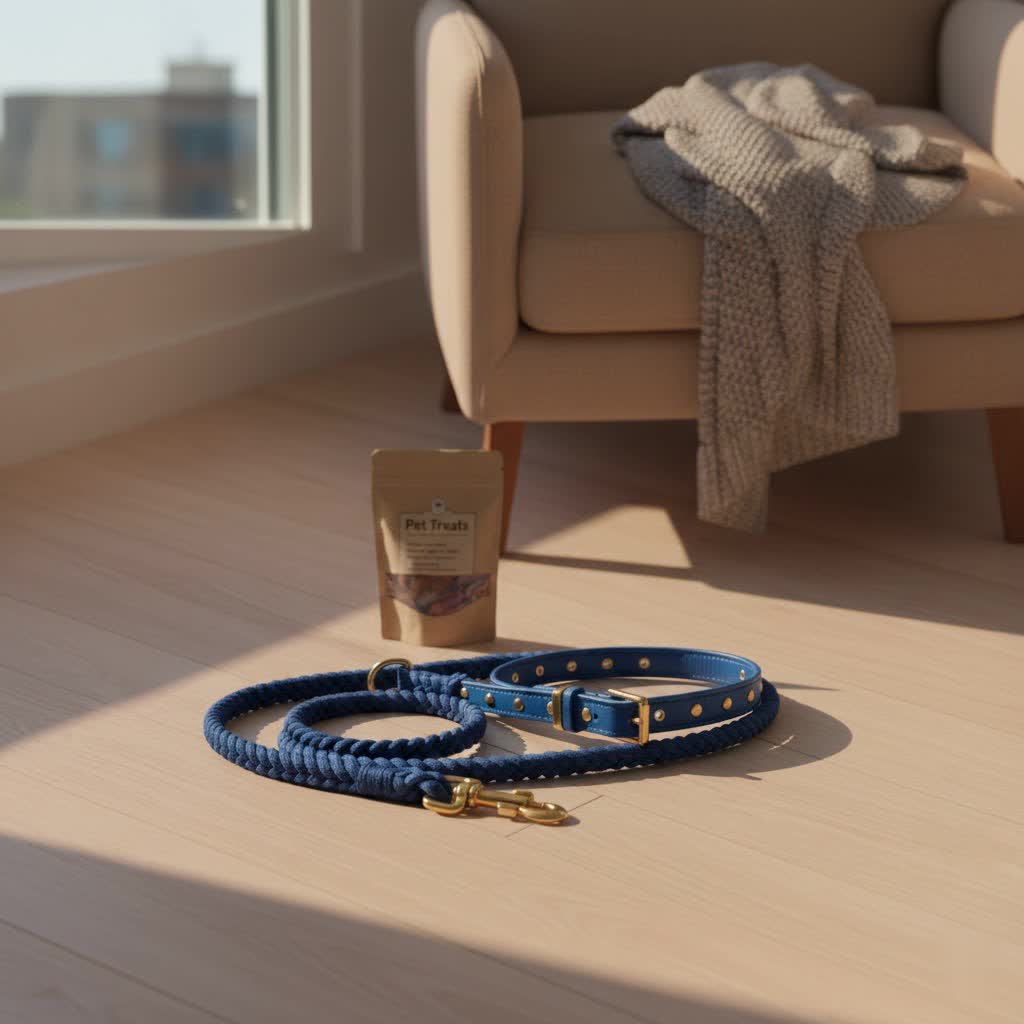
As a seasoned veteran in the world of canine companions and pet accessories, I understand the challenges and joys of finding the right gear for your beloved dog. Among the myriad options available, the chain dog leash stands out for its unique blend of strength and durability. If you’ve got a powerful puller or a mischievous chewer, you know how quickly traditional leashes can wear out. A well-chosen chain dog leash can transform your daily walks, offering unparalleled control and peace of mind.
What is a Chain Dog Leash and Why is it Important?
A chain dog leash is, at its core, a dog lead constructed primarily from interconnected metal links, rather than fabric or leather. Its primary role is to create a secure connection between you and your dog, allowing you to guide and control their movements during walks, training sessions, and outings. These leashes are particularly vital for ensuring the safety of your dog and others, preventing unexpected darting into traffic or unwanted interactions with other pets or people. Beyond mere restraint, a good leash fosters communication and strengthens the bond between you and your canine friend. For compare top dog leashes on this site.
The importance of a reliable leash cannot be overstated. For dogs that exhibit strong pulling behavior or have a tendency to chew through standard materials, a chain dog leash offers a robust solution. It provides the necessary strength and resistance to damage, making walks more predictable and enjoyable for both dog and owner. While many types of leashes exist, the chain offers specific advantages for certain dogs and situations, providing a level of security that softer materials often cannot match.
Popular Chain Dog Leash Types and Their Pros & Cons
Chain dog leashes are primarily distinguished by their material’s inherent strength, though variations in link size, weight, and handle material exist. Understanding these characteristics helps in selecting the most suitable option for your dog.
Standard Chain Dog Leash
This is the classic form, featuring a durable metal chain with a sturdy clip at one end for attachment to a collar or harness, and typically a fabric or leather handle at the other.
-
Pros:
- Exceptional Durability: Chain leashes are renowned for their robust construction, capable of withstanding significant wear and tear from strong, active dogs. They are built to last, handling even the most powerful pullers and frequent outdoor use without snapping or breaking.
- Chew-Resistant Design: Unlike fabric or leather, the tough, unappealing texture of metal deters most dogs from chewing on the leash. This makes them an ideal choice for dogs prone to destructive chewing habits, saving you from constant replacements.
- Enhanced Control for Strong Dogs: The inherent weight and rigidity of a chain leash can provide better leverage and control, making it easier to manage sudden lunges or strong pulls from large or powerful breeds.
- Longevity: With proper care, a good quality chain leash can last for many years, enduring various weather conditions from rain to snow. This can be a cost-effective choice in the long run.
-
Cons:
- Weight and Potential Discomfort: Chain leashes can be heavy, which might be uncomfortable or even restrictive for smaller, calmer breeds or puppies. Even for larger dogs, prolonged use could lead to strain or discomfort if not paired with a suitable collar or harness.
- Risk of Injury: If used improperly, especially with sudden, harsh corrections, the rigid metal can cause neck strain, bruising, or even tracheal damage to a dog. They lack the shock-absorbing qualities of fabric leashes, meaning sudden pulls can be jarring for both dog and owner.
- Lack of Flexibility: Their stiff nature means they don’t offer the same flexibility or “give” as nylon or rope leashes. This can sometimes make walks feel less natural or comfortable compared to more pliable options.
- Not Ideal for Tie-Outs: While durable, chain leashes are generally not recommended for permanently tying out a dog, as prolonged restriction and the risk of tangling or injury can pose significant safety concerns.
Bảng So Sánh Các Loại Dây Dắt Chó
|
Our Picks for the Best Dog Leash in 2026
As an Amazon Associate I earn from qualifying purchases.
|
||
| Num | Product | Action |
|---|---|---|
| 1 | Hands Free Dog Leash, Adjustable Waist Leash for Dog, Handle Bungee 4.2-6.7 Feet Long with Reflective Stitches for Walking Hiking Running, Fits 26"- 43" Waist, Black & Blue |

|
| 2 | 16Ft Retractable Dog Leash,Light Weight Leash for Small to Medium Dogs/Cats Up to 50lbs,Stainless Steel Spring Strong Nylon Tape, Tangle Free, One-Handed Brake.(Black) |
|
| 3 | iYoShop Hands Free Dog Leash with Zipper Pouch, Dual Padded Handles and Durable Bungee for Walking, Jogging and Running Your Dog (Large, 25-120 lbs, Black) |
|
| 4 | Joytale Dog Leash, 6 FT Double-Sided Reflective, Padded Handle Nylon Heavy Duty Leashes for Medium & Large Dogs Walking, Black |
|
| 5 | Joytale Tactical Dog Leash Heavy Duty, 4-6FT Shock Absorbing Bungee Lead with 2 Padded Handle, Metal Carabiner Clip, Car Seatbelt, Strong No Pull Leash for Medium Large X-Large Dogs, Coyote Brown |
|
| 6 | Fida Retractable Dog Leash, 16 ft Dog Walking Leash for Small Dogs up to 26 lbs, 360° Tangle Free, Black |
|
| 7 | Taglory Rope Dog Leash 6 FT with Comfortable Padded Handle, Highly Reflective Threads Leash for Medium Large Dogs, 1/2 inch, Black |
|
| 8 | 2 Pack Dog Leash, 4/5//6 FT Heavy Duty Nylon Rope Pet Leashes with Comfortable Padded Handle, Reflective Dog Leashes for Small Medium and Large Dogs (5FT-1/2,Black/Black) |
|
| 9 | Frienda 30ft Galvanized Heavy Duty Dog Chain Tie out Heavy Duty Chain 3mm Chew Proof with 2 Safety Clips Rust Resistant Outdoor Dog Leash for Yard Camping Hiking Park Travel 440lbs Break Strength |
|
| 10 | 26Ft Retractable Dog Leash, Heavy Duty Great Leash for Dog up to 110 lbs, Anti-Slip Rubberized Handle, One-Handed Brake, Strong Nylon Tape, Tangle Free(Large Size). |
|
| Loại Dây Dắt | Ưu Điểm Chính | Nhược Điểm Chính | Phù Hợp Với |
|---|---|---|---|
| Chain Leash | Extreme durability, chew-proof, superior control for strong pullers. | Heavy, less flexible, potential for discomfort/injury if misused. | Strong, large breeds, chronic chewers, dogs needing firm control. |
| Standard Nylon | Lightweight, affordable, variety of colors, good everyday use. | Less durable than chain, prone to chewing, can fray. | Most dogs, everyday walks, basic training. |
| Leather Leash | Durable, comfortable grip, stylish, softens with age. | Higher cost, requires maintenance, can be chewed through. | All dogs, especially for a classic look and comfortable feel. |
| Retractable Leash | Allows freedom of movement, variable length. | Poor control, high risk of injury (for dog and owner), not for training. | Very well-trained dogs in open, low-traffic areas (use with caution). |
| Training Leash | Often longer, multiple points of attachment, good for obedience work. | Can be bulky, requires proper training knowledge. | Puppies, dogs undergoing formal obedience training. |
Hướng Dẫn Mua Dây Dắt Chó: Các Yếu Tố Cần Xem Xét
When choosing a chain dog leash, several factors come into play to ensure you pick the right tool for your dog’s size, strength, and temperament.
-
Chất liệu (Material):
- Metal Type: Chain leashes are typically made from steel, often chrome-plated or stainless steel for rust resistance and durability. Stainless steel is highly resistant to corrosion and is generally a top choice for longevity and strength. Ensure the metal is heavy-duty enough for your dog’s strength.
- Handle Material: While the chain provides strength, the handle ensures your comfort. Look for handles made of durable nylon, soft padded leather, or even neoprene-lined material for a comfortable and secure grip. Some chain leashes have a fully integrated chain from clip to handle loop, which is less common but offers maximum chew resistance.
-
Độ dài (Length):
- 1.2m – 1.8m (4-6 feet): This is the most common and recommended length for standard walking and everyday use. It offers a good balance of freedom for your dog and control for you, keeping your dog close enough to navigate busy areas safely. A 4-foot leash can offer more direct control, while a 6-foot leash provides a bit more room to roam.
-
Độ rộng (Width / Gauge):
- The “width” of a chain leash refers to the gauge or thickness of the individual metal links. A thicker gauge chain is stronger and more suitable for larger, more powerful breeds.
- Ensure the chain’s gauge is appropriate for your dog’s size and pulling power. A chain that is too light might not offer sufficient control or could break, while one that is too heavy might be uncomfortable for your dog.
-
Khóa và móc (Clasp and Hook):
- The clasp that attaches to your dog’s collar or harness is a critical component. It should be robust, made from a strong metal (like brass or stainless steel), and designed for easy yet secure attachment.
- Look for swiveling clasps that prevent the leash from tangling, which is especially important with rigid chain leashes. The mechanism should be easy for you to operate but secure enough to prevent accidental detachment.
-
Tay cầm (Handle):
- A comfortable handle is paramount, especially when handling a strong dog. Padded handles (often with neoprene or soft leather) can prevent hand strain and rope burn-like discomfort if your dog pulls unexpectedly.
- Some handles may feature additional D-rings for attaching accessories like poop bag dispensers or keys, adding to the leash’s functionality.
Các Thương Hiệu Dây Dắt Chó Uy Tín
While fewer brands specialize exclusively in chain leashes compared to fabric ones, several reputable pet accessory manufacturers offer high-quality options, or other leash types that demonstrate their commitment to durability.
- Top Paw: Often found at major pet retailers, Top Paw offers heavy chain dog leashes specifically designed for chewers. Their chains are sturdy and durable, providing a reliable option for dogs that might otherwise damage fabric leashes.
- PetSafe: While known for a wide range of leashes, including their popular nylon options, PetSafe focuses on safety and control, making them a brand to consider for general leash quality, even if their chain leash selection is limited.
- Ruffwear: Renowned for outdoor and active dog gear, Ruffwear prioritizes durability and ergonomic design. While they may not have traditional full-chain leashes, their robust materials and strong hardware are a benchmark for quality.
- Kong: Famous for its durable dog toys, Kong also produces a variety of dog accessories, including leashes that focus on strength and resilience. If they offer a chain leash, it’s likely to be well-constructed.
- Blueberry Pet: Known for stylish and durable everyday pet accessories, Blueberry Pet offers various leash materials. Their commitment to quality translates across their product lines.
When selecting from these or other brands, always check specific product reviews and descriptions for details on the chain leash’s construction and intended use.
Mẹo Sử Dụng và Bảo Quản Dây Dắt Chó
Proper use and maintenance of your chain dog leash are essential for both its longevity and your dog’s safety.
- Cách cầm dây dắt đúng cách: Always hold the leash firmly but comfortably, ensuring you have enough slack for your dog to walk naturally without tension, but not so much that you lose control. Avoid wrapping the leash around your hand, as this can cause injury if your dog pulls suddenly. A gentle, upward “flick” can provide a quick correction without being harsh, followed immediately by a loosened lead.
- Tránh dây dắt bị rối: While chain leashes are less prone to tangling than retractable leashes, ensure the leash is not dragging excessively on the ground, which can lead to snagging. Utilize a swivel clasp to help prevent twists.
- Vệ sinh và bảo quản dây dắt: Metal chains can gather dirt and grime. Regularly wipe down the chain with a damp cloth and mild soap. For rust-resistant metals, a quick rinse and thorough drying will suffice. Inspect the clasp and chain links periodically for any signs of wear, rust, or damage, and replace if compromised. Store the leash in a dry place to prevent corrosion.
- Lưu ý an toàn khi sử dụng dây dắt ở nơi công cộng: Always be mindful of your surroundings. Keep your dog close in crowded areas or near traffic. A chain leash, while strong, does not absorb shock, so be prepared for sudden pulls. Remember, a chain leash is a tool for control and safety, not a substitute for proper training and supervision. Never use a chain leash for tying your dog unattended, as this can lead to injury or choking.
Mua Dây Dắt Chó Ở Đâu?
Finding the right chain dog leash involves knowing where to look for quality and variety.
- Các cửa hàng thú cưng uy tín: Local pet stores often carry a selection of heavy-duty and chain leashes. This allows you to physically inspect the product, check the weight, and assess the quality of the clasps and handles. Store associates can also provide expert advice.
- Các trang web bán hàng trực tuyến: Online retailers like Amazon, Chewy, PetSmart.com, and others offer a vast array of chain dog leashes from various brands. This provides convenience and often competitive pricing.
- Lưu ý khi mua hàng online: When purchasing online, pay close attention to product descriptions for details on material, length, and gauge. Read customer reviews for insights into durability and suitability for different dog types. Check the seller’s return and exchange policies, especially if you’re unsure about the leash’s fit or feel.
Conclusion
Choosing the perfect chain dog leash is a decision that significantly impacts the safety, comfort, and control you have during walks with your dog. For pet parents dealing with strong pullers or persistent chewers, a chain leash offers an unrivaled combination of durability and reliable control. While they present unique benefits like chew resistance and immense strength, it’s crucial to be aware of their potential drawbacks, such as weight and rigidity, and to use them responsibly to prevent injury.
Ultimately, the best chain dog leash is one that matches your dog’s specific needs, your handling style, and ensures a safe, enjoyable experience for both of you. Always prioritize proper fit, high-quality materials, and a comfortable handle. Remember that a leash is a communication tool; couple your choice with consistent training and positive reinforcement to foster a well-behaved and happy companion.
What kind of adventures will you and your well-equipped canine companion embark on next?
Frequently Asked Questions
Are chain dog leashes suitable for all dog breeds?
Chain dog leashes are primarily recommended for larger, stronger breeds and dogs that chew aggressively. Their weight and rigidity can be uncomfortable or too restrictive for smaller, calmer dogs, or those with delicate necks. It’s always best to match the leash type to your dog’s size, strength, and temperament for optimal safety and comfort.
How do I prevent a chain leash from injuring my dog?
To prevent injury, ensure the chain leash is used with a sturdy, appropriate collar or harness and avoid sudden, forceful jerks. The leash should be held firmly but with enough slack to allow natural movement. Regular supervision and proper training techniques are key to using a chain leash effectively and safely.
Can chain leashes rust or corrode?
High-quality chain leashes, especially those made from stainless steel or chrome-plated steel, are designed to be rust-resistant. However, prolonged exposure to moisture and harsh conditions without proper cleaning and drying can lead to corrosion over time. Regular maintenance, including wiping them dry after wet walks and storing them in a dry place, will significantly extend their lifespan.
Pet products vetted on real animals
Practical specs, not advice. Unsubscribe anytime.
