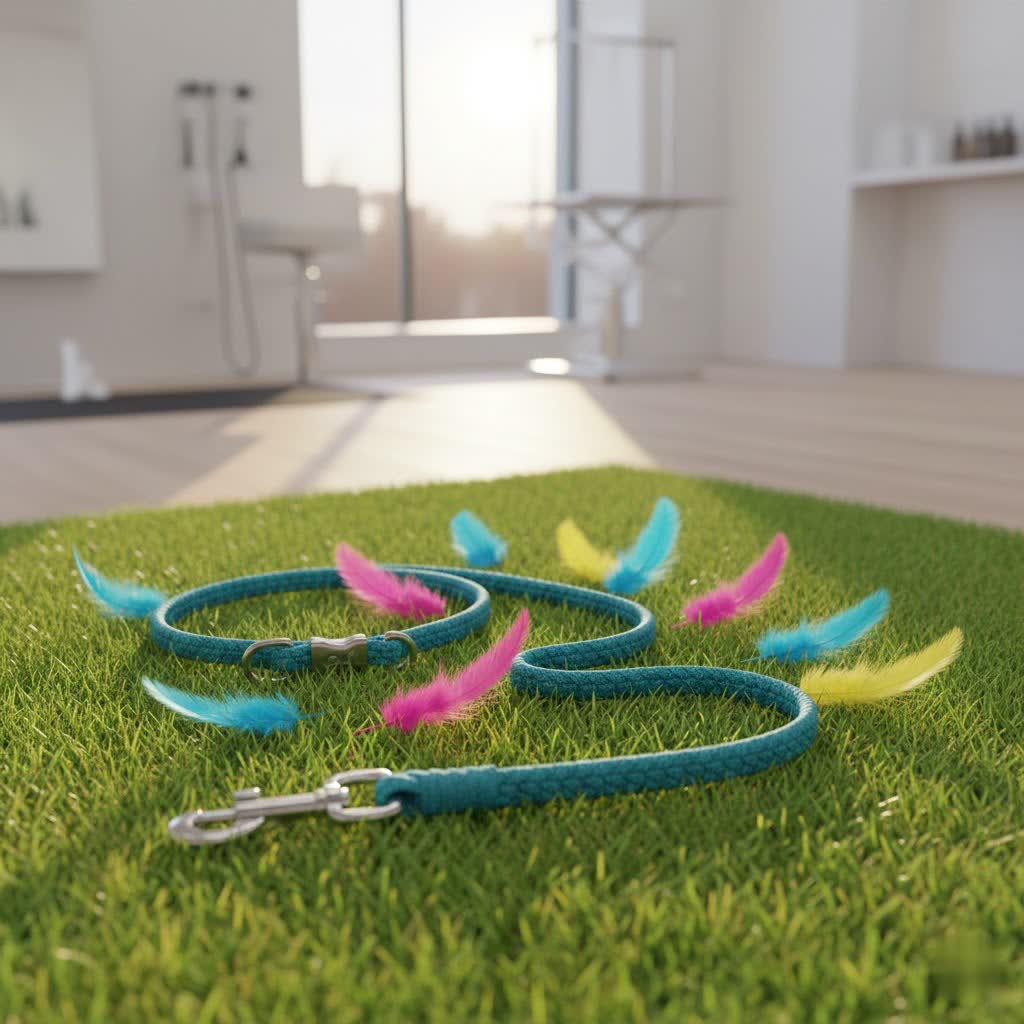
Every dog owner understands the joy and responsibility of walking their furry companion. It’s a daily ritual that strengthens your bond, provides essential exercise, and allows for exploration. But a truly enjoyable walk hinges on one crucial element: the right dog harness leash set. With over a decade of experience in canine care and accessories, I’ve personally tested countless options, from basic designs to advanced, smart systems. My goal is to share this comprehensive knowledge, helping you navigate the myriad of choices and select a dog harness leash set that ensures maximum safety, comfort, and control for your beloved four-legged friend.
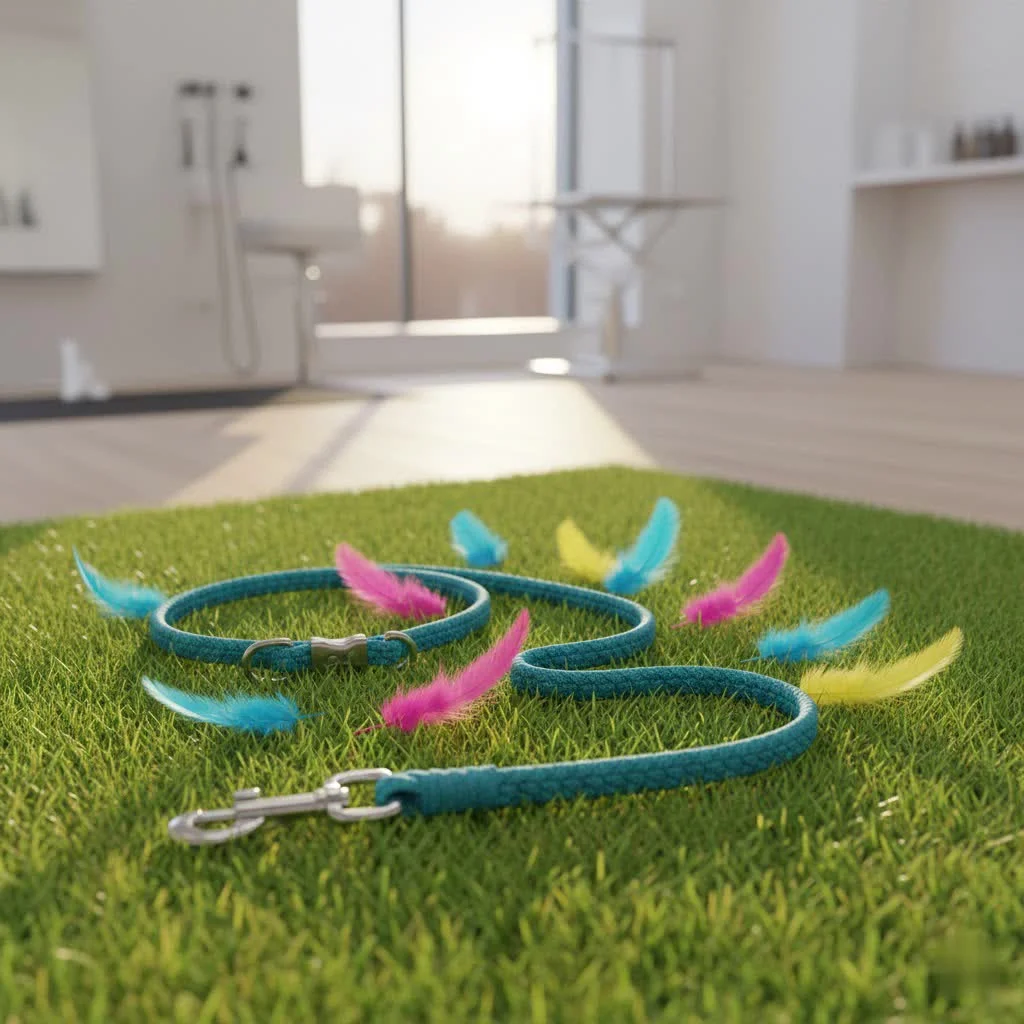
What is a Dog Harness Leash Set and Why is it Important?
A dog harness leash set is an essential piece of equipment designed to secure your dog during walks and provide you with effective control. Unlike traditional collars, which encircle only the neck, a harness wraps around your dog’s chest and shoulders, distributing pressure more evenly across their body. This fundamental difference is vital for your dog’s well-being and the quality of your shared experiences outdoors.
The importance of using a dog harness leash set cannot be overstated. Primarily, it prioritizes your dog’s safety and prevents potential injuries. Collars can exert harsh pressure on the trachea and neck, especially for enthusiastic pullers, smaller breeds, or dogs with pre-existing conditions like a collapsed trachea or spinal issues. A well-fitted harness mitigates these risks by removing pressure from the delicate neck area. Additionally, harnesses offer superior control, making walks more manageable and enjoyable, particularly in busy environments or during training sessions. For escape artists, the secure design of many harnesses makes it significantly harder for them to slip out, offering peace of mind.
Popular Types of Dog Harnesses and Their Pros & Cons
Understanding the various types of dog harnesses is the first step in finding the ideal dog harness leash set. Each design caters to different needs, behaviors, and activities.
Back-Clip Harness
This is one of the most common harness styles, featuring a D-ring or attachment point located on your dog’s back, typically between the shoulder blades.
- Pros: Simple to use, less likely to tangle the leash with your dog’s legs, and comfortable for calm dogs who walk politely on a leash. It allows dogs more freedom of movement and is ideal for casual strolls.
- Cons: Offers minimal control over dogs that pull aggressively, as the pulling action doesn’t discourage the behavior but may encourage it.
Front-Clip (No-Pull) Harness
|
Our Picks for the Best Dog Leash in 2026
As an Amazon Associate I earn from qualifying purchases.
|
||
| Num | Product | Action |
|---|---|---|
| 1 | iYoShop Hands Free Dog Leash with Zipper Pouch, Dual Padded Handles and Durable Bungee for Walking, Jogging and Running Your Dog (Large, 25-120 lbs, Black) |

|
| 2 | Hands Free Dog Leash, Adjustable Waist Leash for Dog, Handle Bungee 4.2-6.7 Feet Long with Reflective Stitches for Walking Hiking Running, Fits 26"- 43" Waist, Black & Blue |
|
| 3 | 16Ft Retractable Dog Leash,Light Weight Leash for Small to Medium Dogs/Cats Up to 50lbs,Stainless Steel Spring Strong Nylon Tape, Tangle Free, One-Handed Brake.(Black) |
|
| 4 | Frienda 30ft Galvanized Heavy Duty Dog Chain Tie out Heavy Duty Chain 3mm Chew Proof with 2 Safety Clips Rust Resistant Outdoor Dog Leash for Yard Camping Hiking Park Travel 440lbs Break Strength |
|
| 5 | 26Ft Retractable Dog Leash, Heavy Duty Great Leash for Dog up to 110 lbs, Anti-Slip Rubberized Handle, One-Handed Brake, Strong Nylon Tape, Tangle Free(Large Size). |
|
| 6 | 2 Pack Dog Leash, 4/5//6 FT Heavy Duty Nylon Rope Pet Leashes with Comfortable Padded Handle, Reflective Dog Leashes for Small Medium and Large Dogs (5FT-1/2,Black/Black) |
|
| 7 | Taglory Rope Dog Leash 6 FT with Comfortable Padded Handle, Highly Reflective Threads Leash for Medium Large Dogs, 1/2 inch, Black |
|
| 8 | Fida Retractable Dog Leash, 16 ft Dog Walking Leash for Small Dogs up to 26 lbs, 360° Tangle Free, Black |
|
| 9 | Joytale Tactical Dog Leash Heavy Duty, 4-6FT Shock Absorbing Bungee Lead with 2 Padded Handle, Metal Carabiner Clip, Car Seatbelt, Strong No Pull Leash for Medium Large X-Large Dogs, Coyote Brown |
|
| 10 | Joytale Dog Leash, 6 FT Double-Sided Reflective, Padded Handle Nylon Heavy Duty Leashes for Medium & Large Dogs Walking, Black |
|
Designed specifically to deter pulling, this harness features the leash attachment point on your dog’s chest.
- Pros: Highly effective for training dogs not to pull. When your dog attempts to pull forward, the leash attachment on the chest gently redirects their movement to the side, turning them back towards you and making pulling unproductive. It provides better control and is often recommended by trainers.
- Cons: Can sometimes cause the leash to get tangled with your dog’s legs if not held high enough. It might require some practice for both you and your dog to get used to.
Dual-Clip Harness
A versatile option that combines the features of both back-clip and front-clip harnesses, offering attachment points on both the chest and the back.
- Pros: Provides maximum versatility and control. You can use the front clip for no-pull training or greater control, and switch to the back clip for more relaxed walks, offering your dog more freedom. It’s excellent for dogs in training or those needing adaptable control.
- Cons: Can be slightly bulkier than single-clip harnesses due to the additional hardware.
Step-In Harness
This harness design is characterized by how it’s put on: your dog “steps into” two leg openings, and then the harness is fastened around their back.
- Pros: Exceptionally easy to put on, especially for dogs who dislike having things slipped over their head.
- Cons: Can sometimes be easier for clever dogs to wiggle out of if not fitted perfectly.
Over-the-Head Harness
As the name suggests, this harness slips over your dog’s head and then buckles around their torso.
- Pros: Generally offers more security than a step-in harness, making it harder for dogs to escape.
- Cons: Some dogs may be resistant to having something pulled over their head, requiring conditioning.
Vest Harness vs. Strap Harness
Harnesses also vary in their construction and coverage.
- Vest Harnesses: Offer broader chest coverage and are often made with padded, soft materials.
- Pros: Provides superior comfort, reduces chafing, and is excellent for smaller dogs, puppies, or long-haired breeds where straps might mat their fur.
- Cons: Can be warmer in hot weather due to more fabric.
- Strap Harnesses: Composed mainly of adjustable nylon or webbing straps.
- Pros: Lightweight, breathable, and provides excellent control for large or strong-pulling dogs, as the narrower straps can distribute tension effectively without adding bulk.
- Cons: Less padding means they might be less comfortable for dogs with sensitive skin or very short coats.
Y-Harness vs. H-Harness
These terms refer to the shape the harness forms on your dog’s chest.
- Y-Harness: Features a vertical strap that passes between your dog’s front legs, forming a “Y” shape on their chest.
- Pros: Allows for greater shoulder and leg mobility, reducing restriction and chafing around the armpits.
- Cons: Requires careful fitting to ensure it doesn’t rub.
- H-Harness: Has a horizontal strap across the chest.
- Pros: Simple and adjustable, suitable for daily use, especially for dogs with narrower chests.
- Cons: Can sometimes restrict shoulder movement or chafe in the armpit area if not properly designed or fitted.
Comparison Table: Dog Harness Types at a Glance
| Type of Harness | Advantages | Disadvantages | Best Suited For |
|---|---|---|---|
| Back-Clip | Simple, easy to use, less tangling | Little control for pullers | Calm dogs, casual walks |
| Front-Clip (No-Pull) | Excellent for training, better control | Leash may tangle, needs practice | Dogs that pull, training |
| Dual-Clip | Versatile (front/back attachment), maximum control | Can be bulkier | Active dogs, adaptable training |
| Step-In | Very easy to put on | Easier for dogs to escape | Dogs sensitive to over-the-head, cooperative dogs |
| Over-the-Head | More secure, harder to escape | Some dogs dislike putting it on | Escape artists, dogs needing high security |
| Vest Harness | High comfort, reduces chafing, prevents matting | Can be warm, bulkier | Small dogs, puppies, long-haired, sensitive skin |
| Strap Harness | Lightweight, breathable, strong control | Less padding, may chafe if ill-fitting | Large dogs, strong pullers, short-haired |
| Y-Harness | Optimal shoulder/leg mobility | Requires precise fitting | Active dogs, sensitive to armpit chafing |
| H-Harness | Simple, adjustable, good for daily use | Can restrict movement, may chafe | Dogs with narrower chests, general purpose |
Guide to Choosing the Perfect Dog Harness Leash Set: Factors to Consider
Selecting the right dog harness leash set goes beyond just choosing a type. Several critical factors will ensure a perfect match for your dog’s unique needs and your lifestyle.
Material
The material impacts durability, comfort, and ease of maintenance.
- Nylon: A popular choice due to its excellent durability, easy cleaning, weather resistance, and affordability. It holds up well against rain and snow.
- Leather: Offers a classic, luxurious look and superior durability that can last for years. Leather softens over time, providing a comfortable grip, but it requires more maintenance and isn’t as water-friendly.
- Mesh: Often used in vest harnesses, mesh is breathable and lightweight, making it ideal for warmer climates or dogs with sensitive skin to prevent rubbing and chafing.
- Neoprene: Known for its sturdy, comfortable, and water-resistant properties, often found in sporty or activewear harnesses.
Fit & Size
A proper fit is paramount for both safety and comfort. An ill-fitting harness can cause chafing, restrict movement, or allow your dog to escape.
- Measurement is Key: Before purchasing, accurately measure your dog. The most crucial measurement is their chest girth, taken around the widest part of their rib cage, typically just behind the front legs. Some harnesses may also require neck circumference.
- The Two-Finger Rule: Once the harness is on, you should be able to comfortably slip two fingers under any of the straps. If it’s too loose, your dog could escape; if it’s too tight, it will cause discomfort and potential injury.
- Adjustability: Look for harnesses with multiple adjustment points to ensure a snug, customized fit, which is especially beneficial for growing puppies or dogs with unique body shapes.
Leash Length & Type
The leash is just as important as the harness for effective control and communication.
- Standard Leash (4-6 feet): The most common length for daily walks, offering a good balance of freedom and control.
- Training Leash (15-50 feet): Also known as a “long line,” these are excellent for recall training in open, safe areas, allowing your dog to explore while remaining connected.
- Hands-Free Leash: Often worn around the waist or across the body, this type frees up your hands for activities like running, hiking, or managing children.
- Retractable Leash: While they offer adjustable length, they can be risky. They provide less control, can teach dogs to pull, and may cause severe injuries if the dog suddenly lunges or the leash snaps. Use with extreme caution and only in very safe, open spaces.
Hardware
The quality of clips, buckles, and D-rings affects the set’s security and longevity.
- Durable Materials: Opt for strong metal D-rings and sturdy plastic or metal buckles that are resistant to rust and wear.
- Lockable Clasps: For added security, some leashes feature clasps that can be locked to prevent accidental detachment.
Comfort Features
Padding and ergonomic design significantly enhance your dog’s walking experience.
- Padded Straps: Particularly important around the chest, armpits, and belly areas to prevent chafing and discomfort during longer walks.
- Breathable Design: Materials like mesh or strategic webbing can help keep your dog cool, especially in warmer weather or during vigorous activity.
Visibility
Safety is paramount, especially during low-light conditions.
- Reflective Strips: Many harnesses and leashes incorporate reflective materials that greatly improve your dog’s visibility to drivers, cyclists, and pedestrians after dark.
- Bright Colors: Choosing vibrant colors can also enhance visibility during daylight hours and twilight.
Dog’s Behavior & Breed
Your dog’s temperament and physical characteristics play a huge role in harness selection.
- Strong Pullers: A front-clip or dual-clip no-pull harness is almost always the best choice to gently discourage pulling and provide better control.
- Escape Artists: Look for secure designs like the Ruffwear Web Master Harness, often featuring multiple adjustment points and an extra belly strap to prevent backing out.
- Small Breeds & Puppies: Prioritize comfort with soft, lightweight vest harnesses that distribute pressure gently.
- Large Breeds: Require robust materials and wider straps to handle their strength and ensure even pressure distribution.
- Brachycephalic (Flat-Faced) Breeds: Breeds like Pugs and Bulldogs are prone to respiratory issues; harnesses are essential to avoid any pressure on their airways.
- Senior or Injured Dogs: Lifting harnesses with sturdy handles can provide assistance and support mobility.
Planned Activities
Consider what you’ll be doing with your dog.
- Daily Walks: A comfortable back-clip or dual-clip harness paired with a standard leash often suffices for well-behaved dogs.
- Training: Front-clip or dual-clip harnesses are excellent for leash manners. Long lines are great for recall practice.
- Hiking/Adventure: Look for durable, robust harnesses with reflective elements and possibly integrated storage (backpack harnesses).
- Car Travel: A crash-tested car safety harness is crucial to keep your dog secure during drives and is legally required in many areas. Never use a regular walking harness for car safety without a crash-tested seatbelt attachment.
Reputable Dog Harness Leash Set Brands
Investing in quality from a reputable brand ensures durability, safety, and comfort. Here are some trusted names in the dog harness and leash market:
- Ruffwear: Known for high-performance gear, especially popular for adventurous dogs and outdoor activities. Their Front Range and Web Master harnesses are highly regarded.
- Rabbitgoo: Offers popular no-pull harnesses that are budget-friendly and effective for training.
- Puppia: Celebrated for their soft mesh harnesses, particularly favored by small breeds and dogs with sensitive skin.
- Kurgo: Specializes in active dog gear, including harnesses designed for car safety and robust outdoor use.
- KONG: A well-known pet brand offering a variety of durable harnesses and leashes, often with added comfort features.
- Voyager: Provides breathable mesh step-in harnesses, popular for their ease of use and comfort for all sizes.
- OneTigris: Offers tactical and durable harnesses, often with MOLLE systems for working dogs or adventurous pets.
- PetSafe: Known for a range of training-focused harnesses, including gentle leaders and easy-walk options.
- Blueberry Pet: Offers stylish and functional harnesses with a wide array of patterns and colors, often made with durable webbing.
Tips for Using and Maintaining Your Dog Harness Leash Set
Even the best dog harness leash set won’t perform optimally without proper use and care.
- Correct Fitting is Continuous: Always double-check the fit of your harness each time you put it on. Over time, straps can loosen or tighten, or your dog’s weight may fluctuate.
- Introduce Gently: If your dog is new to a harness, introduce it gradually with positive reinforcement, treats, and praise. Let them wear it for short periods indoors before attaching a leash.
- Proper Leash Holding: Always hold the leash firmly but gently. Avoid wrapping it around your hand tightly, which can cause injury if your dog pulls suddenly. Maintain a slight slack in the leash to allow for comfortable communication.
- Prevent Tangles: For front-clip harnesses, ensure the leash is held high enough to prevent it from getting caught under your dog’s front legs.
- Regular Cleaning: Depending on the material, most harnesses and leashes can be hand-washed with mild soap and water or machine-washed on a gentle cycle. Always air dry to prevent material degradation. Regular cleaning prevents odors and skin irritations.
- Inspect for Wear and Tear: Before each walk, quickly inspect the harness and leash for any signs of fraying, damage to buckles, or weak stitching. Replace damaged gear immediately to prevent accidents.
- Public Safety: In public areas, always keep your dog on a leash and maintain control. Be mindful of other people, dogs, and traffic. Using a harness makes it easier to guide your dog away from potential hazards.
Where to Buy Dog Harness Leash Sets?
Finding a dog harness leash set is convenient with many options available:
- Specialty Pet Stores: Stores like PetSmart or Petco offer a wide selection, allowing you to try on harnesses with your dog to ensure the best fit. Staff can often assist with measurements and fitting.
- Online Retailers: Websites like Chewy, Amazon, and the direct brand websites (e.g., Ruffwear, Spark Paws) offer extensive choices, competitive pricing, and customer reviews. Always check return policies and sizing charts carefully when buying online.
- Boutique Pet Shops: These often carry unique, high-quality, or specialized brands that might not be available elsewhere.
When purchasing online, always review product descriptions thoroughly, compare sizing charts against your dog’s measurements, and read customer reviews for real-world feedback on fit and durability.
Conclusion
Choosing the ideal dog harness leash set is one of the most impactful decisions you’ll make for your dog’s comfort, safety, and training success. By understanding the different types of harnesses, considering crucial factors like material, fit, and your dog’s specific needs, and knowing reputable brands, you’re well-equipped to make an informed choice. Remember, the perfect set transforms walks from a chore into a joyous experience, fostering a deeper connection between you and your canine companion.
The journey to an easier, safer, and more enjoyable walk begins with the right gear. What are your biggest priorities when selecting a new dog harness leash set for your furry friend?
Frequently Asked Questions
What is the primary benefit of a dog harness over a collar?
The main benefit of a dog harness is that it distributes pressure across your dog’s chest and shoulders, rather than concentrating it on the delicate neck area. This significantly reduces the risk of neck and spine injuries, tracheal damage, and choking, providing a safer and more comfortable experience, especially for dogs that pull or have sensitive necks.
How do I measure my dog for a harness to ensure a proper fit?
To measure your dog for a harness, use a soft measuring tape. Measure around the widest part of their chest, just behind their front legs (the girth). For some harnesses, you may also need the neck circumference. Always check the specific sizing chart of the brand you are considering, and remember the “two-finger rule”: you should be able to comfortably slide two fingers under any of the harness straps once it’s on.
Are retractable leashes safe to use with a dog harness?
While retractable leashes offer adjustable length, they are generally not recommended due to safety concerns. They provide less control, can encourage pulling, and may lead to serious injuries for both the dog and owner if the dog lunges or the leash malfunctions. A standard 4-6 foot leash or a longer training line offers better control and safety when paired with a harness.
Pet products vetted on real animals
Practical specs, not advice. Unsubscribe anytime.
