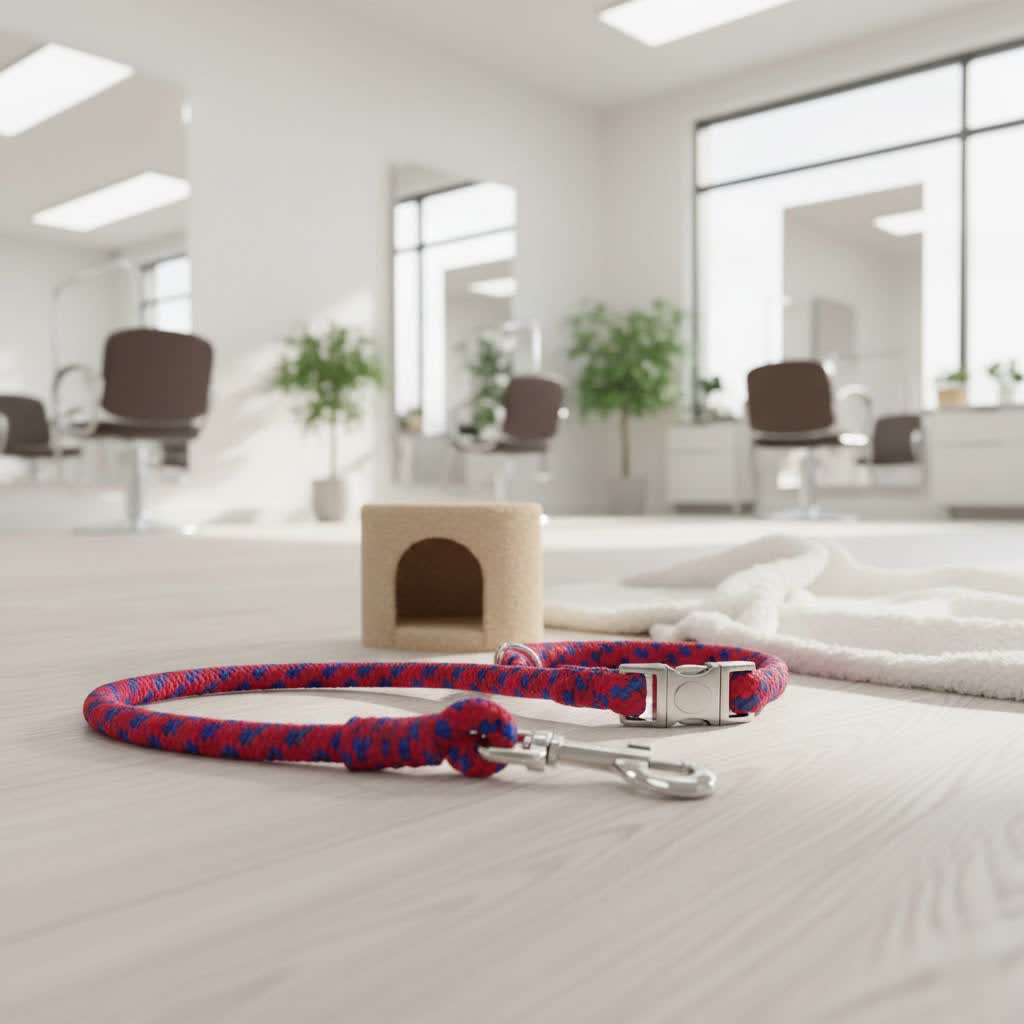
Choosing the best dog leash for pulling involves selecting specific types like front-clip harnesses, head halters, or double-handled leashes, which provide superior control and redirect a dog’s momentum more effectively than standard or retractable leashes. These specialized leashes, combined with consistent training, can transform frustrating walks into enjoyable experiences for both dog and owner.
Understanding Dog Leashes and Their Importance
What is a Dog Leash and Why Is It Crucial?
A dog leash is a fundamental tool for communication, safety, and control between a dog and its handler. Its primary role is to keep your dog securely by your side, preventing them from running into traffic, chasing wildlife, or encountering other animals or people unexpectedly. For dogs that pull, a well-chosen leash becomes an even more critical component, serving as an extension of your control and a crucial element in teaching proper leash manners. For compare top dog leashes on this site.
Why Do Dogs Pull on Leashes?
Dogs pull on leashes for various reasons, often stemming from excitement or curiosity about new sights, sounds, and smells. A lack of proper leash training, where the dog hasn’t learned what’s expected, is another common cause. Some breeds, particularly working dogs, have a natural instinct to pull. Lastly, an uncomfortable or ill-fitting collar or leash can also prompt a dog to pull in an attempt to escape irritation, making the choice of gear incredibly important.
Types of Dog Leashes for Pulling and Their Pros & Cons
Navigating the array of dog leashes available can be daunting, but for a dog that pulls, specific types are designed to offer better control and comfort.
Standard Leash
The most common type, a standard leash is typically 4 to 6 feet long and made of nylon, leather, or rope.
- Pros: Simple, widely available, and generally affordable. Ideal for well-trained dogs that walk politely.
- Cons: Offers minimal to no leverage or specialized control for persistent pullers, potentially causing discomfort for both dog and handler. Nylon can cause rope burn if a dog pulls intensely.
Retractable Leash
These leashes allow for adjustable length, extending and retracting with a button or lever.
- Pros: Can offer a dog more freedom to explore in very open and safe environments when they are already well-trained.
- Cons: Strongly discouraged for pulling dogs. They provide little to no control, can cause sudden jolts to the dog’s neck or owner’s arm, and increase the risk of injury if the dog suddenly bolts or tangles. Many experts recommend avoiding them entirely for safety reasons.
Training Leash (Multi-functional, Double-ended)
These versatile leashes often have clips at both ends and multiple rings, allowing for various configurations, including different lengths or attachment to both front and back clips of a harness.
- Pros: Highly adaptable for different training scenarios and can be used to create better control by attaching to a no-pull harness.
- Cons: Can be more complex to set up and use correctly, requiring some handler skill.
No-Pull Harness Leash (Front-Clip Harness)
|
Our Picks for the Best Dog Leash in 2026
As an Amazon Associate I earn from qualifying purchases.
|
||
| Num | Product | Action |
|---|---|---|
| 1 | iYoShop Hands Free Dog Leash with Zipper Pouch, Dual Padded Handles and Durable Bungee for Walking, Jogging and Running Your Dog (Large, 25-120 lbs, Black) |

|
| 2 | Hands Free Dog Leash, Adjustable Waist Leash for Dog, Handle Bungee 4.2-6.7 Feet Long with Reflective Stitches for Walking Hiking Running, Fits 26"- 43" Waist, Black & Blue |
|
| 3 | Joytale Dog Leash, 6 FT Double-Sided Reflective, Padded Handle Nylon Heavy Duty Leashes for Medium & Large Dogs Walking, Black |
|
| 4 | 16Ft Retractable Dog Leash,Light Weight Leash for Small to Medium Dogs/Cats Up to 50lbs,Stainless Steel Spring Strong Nylon Tape, Tangle Free, One-Handed Brake.(Black) |
|
| 5 | Taglory Rope Dog Leash 6 FT with Comfortable Padded Handle, Highly Reflective Threads Leash for Medium Large Dogs, 1/2 inch, Black |
|
| 6 | 26Ft Retractable Dog Leash, Heavy Duty Great Leash for Dog up to 110 lbs, Anti-Slip Rubberized Handle, One-Handed Brake, Strong Nylon Tape, Tangle Free(Large Size). |
|
| 7 | 2 Pack Dog Leash, 4/5//6 FT Heavy Duty Nylon Rope Pet Leashes with Comfortable Padded Handle, Reflective Dog Leashes for Small Medium and Large Dogs (5FT-1/2,Black/Black) |
|
| 8 | Frienda 30ft Galvanized Heavy Duty Dog Chain Tie out Heavy Duty Chain 3mm Chew Proof with 2 Safety Clips Rust Resistant Outdoor Dog Leash for Yard Camping Hiking Park Travel 440lbs Break Strength |
|
| 9 | Fida Retractable Dog Leash, 16 ft Dog Walking Leash for Small Dogs up to 26 lbs, 360° Tangle Free, Black |
|
| 10 | Joytale Tactical Dog Leash Heavy Duty, 4-6FT Shock Absorbing Bungee Lead with 2 Padded Handle, Metal Carabiner Clip, Car Seatbelt, Strong No Pull Leash for Medium Large X-Large Dogs, Coyote Brown |
|
This type isn’t a leash itself, but a harness designed to be used with a standard leash, often attaching at the dog’s chest.
- Pros: When the dog pulls, the front clip gently redirects their attention back towards the handler, making pulling less effective and uncomfortable. It distributes pressure across the chest rather than the neck, reducing strain.
- Cons: Requires proper fitting to be effective and comfortable. While highly beneficial, it’s a tool to aid training, not a complete replacement for it.
Bungee/Shock-Absorbing Leash
These leashes incorporate a stretchy section (often elasticized webbing or a bungee cord) to absorb impact.
- Pros: Reduces the jarring sensation on the owner’s arm and the dog’s neck during sudden lunges or pulls, offering a more comfortable walking experience.
- Cons: While they reduce impact, they don’t necessarily deter pulling behavior, and a dog can still pull strongly if not trained.
Double-Handled/Traffic Leash
Featuring two handles, one at the standard end and a second closer to the dog’s collar.
- Pros: Provides excellent, immediate close control in busy or potentially hazardous situations (e.g., crossing roads, navigating crowds, passing other dogs). The extra handle acts as a “traffic handle” for quick, firm guidance.
- Cons: Can sometimes feel a bit bulky or heavy due to the extra hardware and material.
Head Halter (Gentle Leader)
A head halter fits over your dog’s muzzle and around their neck, similar to a horse’s halter. The leash attaches under the chin.
- Pros: Offers superior control by guiding the dog’s head, which naturally directs their body. Highly effective for strong pullers and reactive dogs.
- Cons: Many dogs require a period of positive association and acclimatization to accept wearing it. Can sometimes be mistaken for a muzzle by the public.
Comparison Table: Dog Leashes for Pullers
| Leash Type | Pros | Cons | Best Suited For |
|---|---|---|---|
| Standard | Simple, inexpensive | Poor control for pullers, hand strain | Well-trained, light pullers |
| Retractable | Allows freedom (in theory) | Dangerous, lack of control, injury risk | Avoid for pulling dogs |
| Training/Multi-functional | Versatile, good for training setups | Can be complex to master | Training, adaptable needs |
| No-Pull Harness (Front-Clip) | Redirects pulling, comfortable pressure distribution | Requires proper fit, not a magic bullet | Consistent pullers, training |
| Bungee/Shock-Absorbing | Reduces impact, comfortable for handler/dog | Doesn’t deter pulling actively | Owners seeking comfort, mild pullers |
| Double-Handled/Traffic | Excellent close control, enhanced safety | Can be bulky/heavy | Busy areas, strong, reactive dogs |
| Head Halter | Superior head and body control | Acclimation needed, can be disliked by some dogs | Very strong pullers, reactivity |
Guide to Buying the Best Dog Leash for Pulling: Key Factors
Choosing the optimal dog leash for a pulling dog involves carefully considering several features to ensure safety, comfort, and effective training.
-
Material:
- Nylon: A popular choice for its durability, ease of cleaning, and affordability. For pullers, look for heavy-duty, thicker nylon with reinforced stitching to withstand stress.
- Rope: Known for its strength and often slight elasticity, rope leashes provide a good grip and are generally resistant to chewing. They are an excellent option for larger, powerful breeds.
- Leather: Offers a classic aesthetic, exceptional durability, and a comfortable feel that softens over time. Leather requires more maintenance, particularly if it gets wet.
- Metal (Chain): While extremely strong and chew-proof, chain leashes are heavy and lack flexibility, making them less ideal for general training or comfort. They are generally not recommended as a primary leash for pullers.
-
Length:
- 4-6 feet: This is the standard and most versatile length, offering a good balance of control and freedom for most walks.
- Shorter (e.g., traffic leads): Crucial for ultimate control in highly crowded areas, during street crossings, or when you need your dog right by your side.
- Longer (8-10+ feet): Best reserved for recall training in wide-open, safe, and distraction-free environments. Avoid using long leads in busy areas with a pulling dog.
-
Width/Thickness: A general rule of thumb is that the larger and stronger your dog, the wider and thicker the leash should be. This provides greater strength and reduces the chance of the leash snapping or fraying under tension.
-
Clips and Hardware: The leash’s hardware is critical for security. Opt for strong, durable metal clips such as carabiner or frog clips, which offer secure locking mechanisms and are less likely to fail under pressure. Ensure they are rust-resistant and easy to operate with one hand. Avoid flimsy plastic or thin metal clips.
-
Handle Comfort: Your comfort is just as important as your dog’s. A padded handle (often with neoprene) or a soft material like braided leather can prevent hand strain, rope burn, and discomfort during strong pulls, allowing you to maintain a firm, safe grip.
-
Additional Features: Look for reflective stitching for enhanced visibility during low-light walks, multiple attachment points if you plan to use a multi-functional leash with a harness, and integrated traffic handles for instant close control.
Reputable Dog Leash Brands for Pullers
Several brands consistently receive high marks for their durability, design, and effectiveness in managing pulling dogs. These often incorporate robust materials and thoughtful features.
- Halti: Renowned for their training leashes and head halters, which offer excellent control.
- Ruffwear: Known for high-quality, outdoor-focused gear, including durable rope and webbing leashes. Their Knot-a-Leash is a popular choice.
- Max and Neo: Offer durable options like their Triple Handle leash, praised for its multiple grip points and comfortable handles.
- Kurgo: Provides versatile and strong leashes, such as the Quantum Leash, adaptable for various uses.
- PetSafe: Highly regarded for their no-pull harnesses and accompanying leashes.
- Tactipup: Specializes in heavy-duty and tactical gear, ideal for large, powerful dogs.
- Wilderdog: Offers climbing rope leashes known for their exceptional strength and durability.
- Rocky Mountain Dog: Their All-Mountain leash features shock absorption and hands-free options.
Tips for Using and Maintaining Your Dog Leash
Even the best dog leash for pulling needs to be used correctly and maintained to maximize its effectiveness and lifespan.
- Correct Holding: Always loop the leash handle over your wrist, rather than just gripping it, to ensure you don’t lose your dog if they pull unexpectedly. Keep your arm relaxed but firm, and aim for a loose leash whenever possible.
- Avoiding Tangles: Practice keeping the leash taut but not tight, preventing it from getting wrapped around your dog’s legs or other objects. A shorter leash can naturally help reduce tangles in busy areas.
- Cleaning & Storage: Clean nylon leashes regularly with soap and water, then air dry completely to prevent mildew. Leather leashes benefit from occasional conditioning to keep them supple and prevent cracking. Always store leashes in a dry place.
- Safety Notes: Always supervise your dog while on a leash. Regularly inspect your leash for any signs of wear and tear, such as fraying, weakening clips, or damaged handles, and replace it immediately if compromised. Always pair your leash with an appropriate collar or, preferably, a no-pull harness.
- The Importance of Training: The leash is a tool to aid training, not a substitute for it. Consistent positive reinforcement training to teach loose-leash walking is the ultimate solution for a pulling dog.
Where to Buy Quality Dog Leashes
Finding the right leash is an investment in your peace of mind and your dog’s well-being.
- Specialized Pet Stores: These stores often have knowledgeable staff who can help you assess your dog’s needs and recommend suitable leashes, allowing you to feel the materials and test the hardware in person.
- Online Retailers: Websites offer a vast selection, competitive pricing, and user reviews that can provide valuable insights. Always check the seller’s return policy and read product reviews carefully to ensure quality and suitability.
Conclusion
Successfully managing a dog that pulls requires a multi-faceted approach, with the best dog leash for pulling playing a crucial role. By understanding the different types of leashes designed for this challenge—from front-clip harnesses and double-handled leashes to shock-absorbing and head halters—you can make an informed choice that prioritizes both safety and comfort for you and your canine companion. Consider materials, length, hardware, and handle comfort, always coupling your equipment with consistent, positive training. With the right gear and dedication, those frustrating tug-of-wars can become a thing of the past.
Frequently Asked Questions
Pet products vetted on real animals
Practical specs, not advice. Unsubscribe anytime.

The information on head halters was super helpful. I’d always thought they were muzzles, but understanding how they work to gently guide the dog’s head made a huge difference. My German Shepherd is still learning, but the head halter has already reduced his pulling significantly. It’s a game-changer for his reactivity on walks.
I got a double-handled leash for my energetic Boxer, and while the extra handle is great for close control in busy areas, I find the leash itself a bit too long for everyday use. It sometimes gets tangled around his legs when he’s sniffing around. It’s good for specific situations, but not my favorite all-around.
I was skeptical about front-clip harnesses, but this post convinced me to try one for my Golden Retriever, Buster. He used to pull so hard my arm would ache after every walk. With the front-clip, he’s much easier to manage, and walks are actually enjoyable now. It really does redirect his momentum like magic!
My lab mix, Daisy, is a strong puller, and I’ve tried so many different leashes. The comparison of various types here was really insightful. I ended up getting a specialized leash that was mentioned for larger breeds, and it’s made such a difference. No more feeling like I’m being dragged down the street!