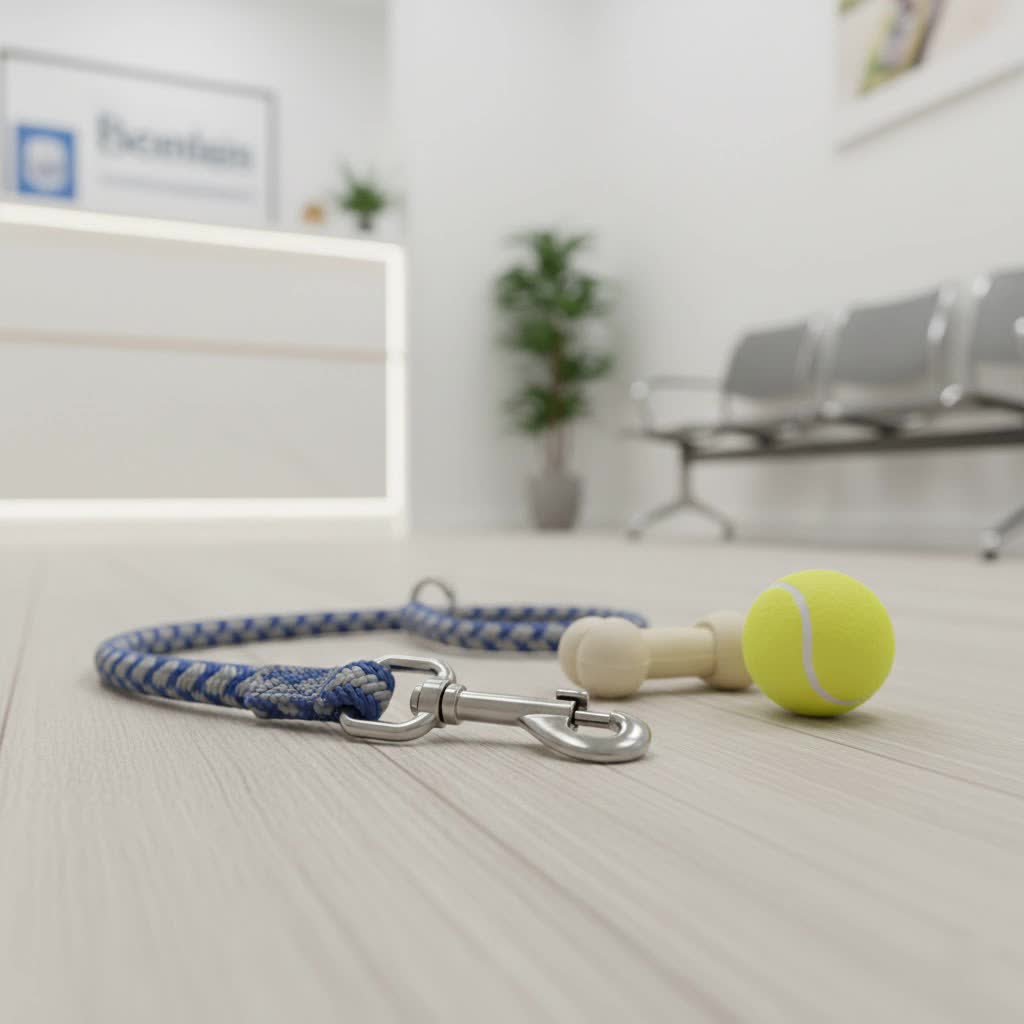
As a seasoned administrator with over a decade of experience in the world of companion canines and their accessories, I’ve had the privilege of testing and evaluating countless dog leashes. From the most basic designs to the latest in smart, innovative gear, my extensive knowledge and hands-on experience have equipped me to help you navigate the vast options and find the perfect leash for your beloved large dog.
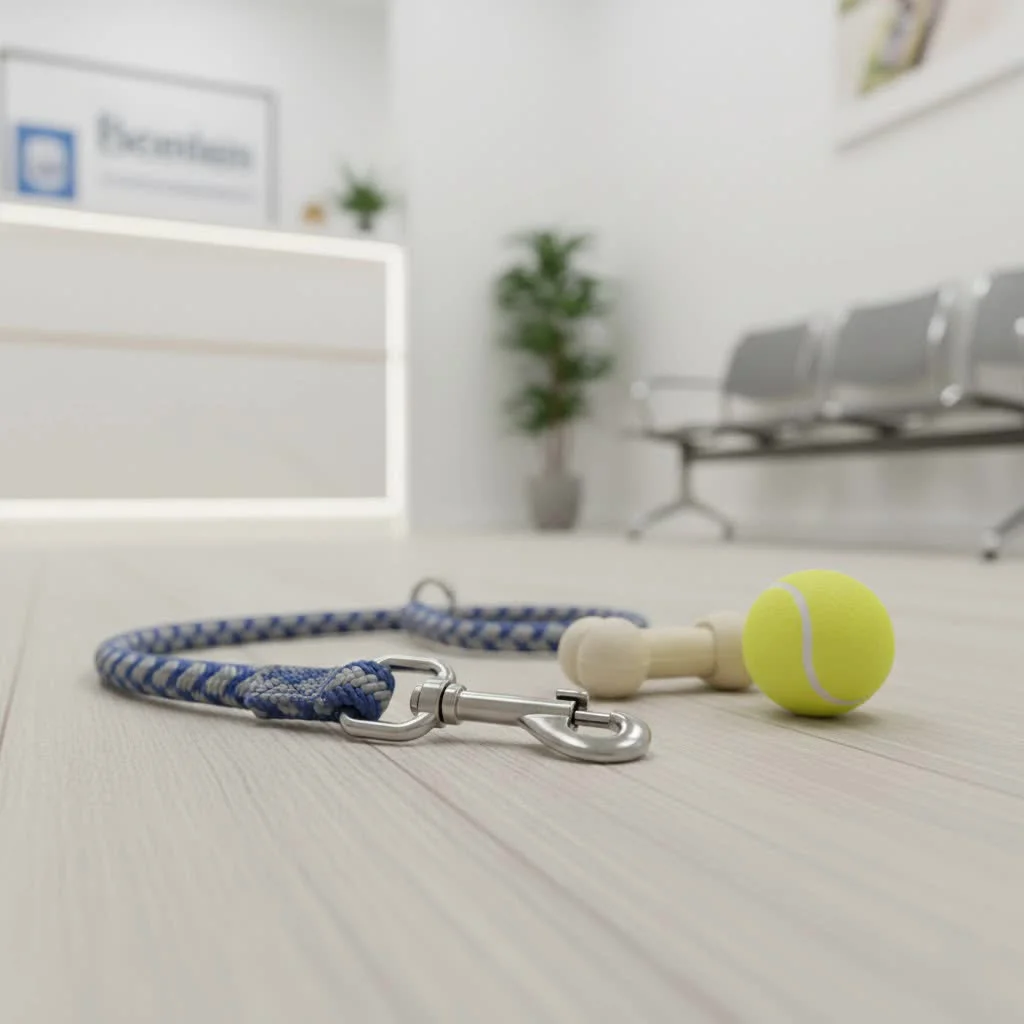
What is a Dog Leash and Why Is It So Important?
A dog leash is a fundamental piece of equipment that connects you to your canine companion, providing control and guidance during walks and training. More than just a restraint, a leash acts as a vital communication tool between a handler and their dog, allowing for safe exploration and preventing your furry friend from wandering into harm’s way or encountering unexpected dangers. For large dogs, which possess significant strength and energy, a robust and reliable leash is not merely a convenience but a necessity for both their safety and yours, ensuring peace of mind during any outing.
Popular Types of Large Dog Leashes and Their Pros & Cons
The market offers a diverse array of leashes, each designed with specific purposes and dog behaviors in mind. Understanding the nuances of each type is crucial when selecting the best option for your large breed.
Standard Leash
A classic choice, the standard leash typically ranges from 4 to 6 feet in length and is made from materials like nylon or leather.
- Pros: Simple, straightforward, easy to use, and generally affordable. It provides direct control, which is excellent for everyday walks in less crowded areas.
- Cons: Lacks specialized features, and continuous pulling from a strong dog can cause hand fatigue or “leash burn” for the handler.
Retractable Leash
These leashes feature a cord or tape that extends and retracts from a handle, allowing varying lengths of freedom.
- Pros: Offers the dog more room to explore while seemingly maintaining control.
- Cons: Not ideal for large dogs due to safety risks. They offer limited control, especially in crowded or high-stress situations, and the thin cord can snap under the strength of a large dog, posing a danger to both pet and owner. Trainers generally advise against them for strong pullers.
Training Leash (Long Line)
Often significantly longer than standard leashes, training leashes can range from 10 to over 50 feet.
- Pros: Excellent for recall training and giving dogs more freedom in open, safe spaces for decompression walks. They allow for exploration while still keeping the dog securely tethered.
- Cons: Requires skill to handle, can easily get tangled, and may be cumbersome in busy environments. A longer leash increases the likelihood of being pulled off your feet if your dog lunges suddenly.
Multi-functional Leash
|
Our Picks for the Best Dog Leash in 2026
As an Amazon Associate I earn from qualifying purchases.
|
||
| Num | Product | Action |
|---|---|---|
| 1 | 26Ft Retractable Dog Leash, Heavy Duty Great Leash for Dog up to 110 lbs, Anti-Slip Rubberized Handle, One-Handed Brake, Strong Nylon Tape, Tangle Free(Large Size). |

|
| 2 | Taglory Rope Dog Leash 6 FT with Comfortable Padded Handle, Highly Reflective Threads Leash for Medium Large Dogs, 1/2 inch, Black |
|
| 3 | Joytale Tactical Dog Leash Heavy Duty, 4-6FT Shock Absorbing Bungee Lead with 2 Padded Handle, Metal Carabiner Clip, Car Seatbelt, Strong No Pull Leash for Medium Large X-Large Dogs, Coyote Brown |
|
| 4 | Joytale Dog Leash, 6 FT Double-Sided Reflective, Padded Handle Nylon Heavy Duty Leashes for Medium & Large Dogs Walking, Black |
|
| 5 | Hands Free Dog Leash, Adjustable Waist Leash for Dog, Handle Bungee 4.2-6.7 Feet Long with Reflective Stitches for Walking Hiking Running, Fits 26"- 43" Waist, Black & Blue |
|
| 6 | Fida Retractable Dog Leash, 16 ft Dog Walking Leash for Small Dogs up to 26 lbs, 360° Tangle Free, Black |
|
| 7 | iYoShop Hands Free Dog Leash with Zipper Pouch, Dual Padded Handles and Durable Bungee for Walking, Jogging and Running Your Dog (Large, 25-120 lbs, Black) |
|
| 8 | Frienda 30ft Galvanized Heavy Duty Dog Chain Tie out Heavy Duty Chain 3mm Chew Proof with 2 Safety Clips Rust Resistant Outdoor Dog Leash for Yard Camping Hiking Park Travel 440lbs Break Strength |
|
| 9 | 16Ft Retractable Dog Leash,Light Weight Leash for Small to Medium Dogs/Cats Up to 50lbs,Stainless Steel Spring Strong Nylon Tape, Tangle Free, One-Handed Brake.(Black) |
|
| 10 | 2 Pack Dog Leash, 4/5//6 FT Heavy Duty Nylon Rope Pet Leashes with Comfortable Padded Handle, Reflective Dog Leashes for Small Medium and Large Dogs (5FT-1/2,Black/Black) |
|
Designed with versatility in mind, these leashes often feature adjustable lengths or multiple clips.
- Pros: Highly flexible, can be adjusted for different lengths (e.g., short for crowded areas, longer for open spaces), and some can even be used hands-free or to walk two dogs.
- Cons: Can be more complex to use initially, and their advanced features often come with a higher price tag.
No-Pull Leash
While often integrated into harnesses, some leashes are specifically designed to discourage pulling.
- Pros: Helps manage dogs that pull, reducing strain on both the dog’s neck and the handler’s arm. Improves control for a safer, more enjoyable walk.
- Cons: May require proper fitting and technique to be effective, and some designs might be uncomfortable for the dog if not used correctly.
Comparison Table: Common Large Dog Leash Types
| Leash Type | Pros | Cons | Best Suited For |
|---|---|---|---|
| Standard Leash | Simple, affordable, direct control | Limited features, hand fatigue if dog pulls | Everyday walks, well-behaved dogs |
| Retractable Leash | Apparent freedom for dog | Lack of control, safety risks, thin cords can break | Generally NOT recommended for large dogs |
| Training Leash | Excellent for recall, more freedom in open spaces | Can tangle, cumbersome, requires handling skill | Recall training, decompression walks |
| Multi-functional | Highly versatile, adjustable length, hands-free options | More complex to use, higher cost | Versatile activities, experienced handlers |
| No-Pull Leash | Reduces pulling, improves control, enhances safety | Requires correct use, may need specific harness | Dogs that pull, safety-conscious owners |
Essential Factors When Choosing a Large Dog Leash
Selecting the perfect leash for a large dog involves considering several key elements to ensure durability, comfort, and control.
-
Material: The material dictates the leash’s strength, weight, and maintenance requirements.
- Nylon: A popular choice due to its durability, light weight, and ease of cleaning. Nylon webbing is strong enough for most large breeds and often comes with reflective stitching for added visibility.
- Leather: Offers a classic, luxurious feel and excellent strength. Leather leashes are incredibly durable and become softer over time but require more maintenance to prevent cracking and may be more expensive.
- Biothane/PVC/TPU Coated Webbing: These materials are a favorite among many trainers for their exceptional durability, waterproof nature, and ease of cleaning. They are resistant to dirt, odors, and moisture, making them perfect for adventurous dogs.
- Rope: Often inspired by climbing ropes, these leashes are known for their strength and flexibility. They are durable but may not be entirely chew-proof.
- Metal Cable: For dogs with a strong chewing habit, a metal cable leash, often coated in vinyl, provides a virtually chew-proof solution, offering unbreakable security.
-
Length: The ideal leash length varies based on the activity and environment.
- 4-6 feet: This is the standard length, offering optimal control for daily walks, especially in crowded areas. Trainers often recommend a 6-foot leash for general walking.
- 10-20 feet: Provides more freedom for exploration and is excellent for training purposes, such as practicing recall in open spaces.
- 30-50+ feet: Referred to as “long lines,” these are specifically used for advanced recall training and allowing extensive freedom during decompression walks in very safe, open environments.
-
Width: Larger dogs generally require a wider leash to handle their strength and provide a secure grip for the handler.
- Look for leashes that are at least 1/2 inch wide, with some heavy-duty options going up to 1 inch or more. A wider leash distributes pressure better and is harder for a dog to chew through.
-
Hardware (Clips and Snaps): The quality of the metal hardware is paramount for large dogs.
- Ensure the clips and snaps are heavy-duty, made from materials like aviation aluminum, stainless steel, or treated steel to resist rust and withstand significant pulling force without failing. Locking carabiner clips offer superior security for strong pullers.
- A 360-degree swivel on the clasp helps prevent the leash from tangling.
-
Handle: Comfort for the handler is crucial, especially with a large, strong dog.
- Padded or ergonomic handles, often lined with neoprene, significantly reduce hand fatigue and prevent leash burn.
- Some leashes feature a “traffic handle” or secondary loop closer to the clip. This allows you to quickly pull your dog close for immediate control in crowded or potentially risky situations.
Reputable Large Dog Leash Brands
When investing in a leash for your large dog, opting for brands known for their quality and durability is a wise decision. Here are a few highly-regarded names:
- EzyDog: Known for innovative designs, including shock-absorbing leashes like the “Zero Shock Leash” and multi-functional options, specifically built for strength and comfort for large breeds.
- Ruffwear: A popular choice for outdoor enthusiasts, offering durable rope leashes (e.g., “Knot-a-Leash”) and hands-free options designed to withstand rigorous use with strong dogs.
- Max and Neo: Praised for their sturdy nylon leashes, often featuring reflective stitching and dual padded handles for enhanced control and visibility. They are often a top recommendation in “best of” lists for large dogs.
- PetSafe: Offers reliable and budget-friendly nylon leashes that are practical for everyday use.
- Kong: A well-known name in dog products, their leashes are designed for durability and often feature robust materials.
- Blueberry Pet: Provides a variety of stylish yet durable leashes for different dog sizes.
Tips for Using and Maintaining Your Large Dog Leash
Proper use and care will maximize your leash’s lifespan and ensure safety during walks.
-
Correct Leash Holding Technique: Hold the leash with a firm yet relaxed grip, allowing for responsiveness. For strong dogs, consider wrapping the leash once around your palm (never your wrist!) or holding it with both hands for added control, especially if your leash has a traffic handle.
-
Preventing Tangles: For longer leashes, actively manage the slack. When not in use, coil your leash neatly to prevent knots and wear.
-
Cleaning and Storage: Regular cleaning prevents odor and prolongs life.
- Nylon/Rope Leashes: Soak in warm water with mild dish soap, scrub dirty spots with an old toothbrush, rinse thoroughly, and air dry.
- Leather Leashes: Wipe with a damp cloth and mild soap. Condition periodically to prevent drying and cracking. Air dry away from direct sunlight.
- Always store your leash out of your dog’s reach to prevent chewing, which can compromise its integrity.
-
Safety in Public: Always be aware of your surroundings. A shorter grip or using a traffic handle can be vital in crowded areas or when passing other dogs. Ensure your dog’s collar or harness is properly fitted and secure before attaching the leash.
Where to Purchase Your Large Dog Leash
You have several options when it comes to finding the perfect leash:
- Local Pet Stores: Specialty pet stores often have knowledgeable staff who can offer personalized recommendations based on your dog’s size, temperament, and your specific needs. This allows you to physically inspect materials and hardware.
- Online Retailers: Websites like Amazon, Chewy, and the official sites of brands like EzyDog and Ruffwear offer a vast selection, competitive pricing, and customer reviews. When buying online, always check product reviews, return policies, and shipping information.
- Pet Expos and Fairs: These events can introduce you to innovative products and allow you to speak directly with vendors.
Conclusion
Choosing the right large dog leash is a critical decision for any responsible pet parent, directly impacting the safety, comfort, and enjoyment of your walks. By prioritizing durable materials like robust nylon, strong biothane, or quality leather, ensuring heavy-duty hardware, and selecting the appropriate length and handle design, you can find a leash that stands up to the strength of your large companion. Always consider your dog’s temperament and your walking environment, and remember that consistent training with positive reinforcement, paired with the right equipment, will foster a happier, more controlled, and safer walking experience for both of you. So, what features will make your next dog walk an even better adventure?
Pet products vetted on real animals
Practical specs, not advice. Unsubscribe anytime.
