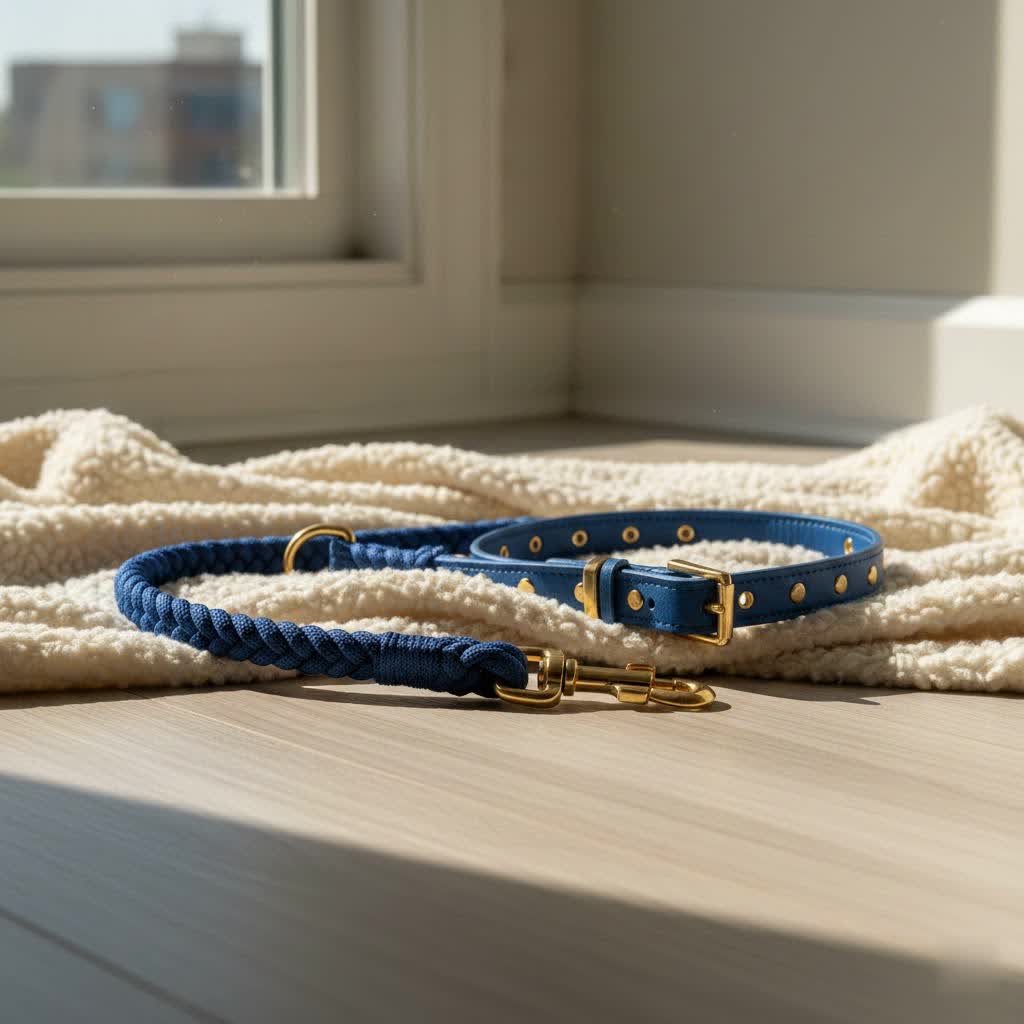
Exploring the great outdoors with your canine companion is one of life’s simple joys. Yet, beneath the wagging tails and happy panting lies a critical piece of equipment: the outdoor dog leash. Far more than just a strip of material, it’s your primary communication tool, a safeguard for your dog, and a bridge to the world around them. With an overwhelming variety of options, from basic nylon to high-tech bungee designs, finding the perfect outdoor dog leash can feel daunting. This comprehensive guide, informed by years of experience with all sorts of leashes, will walk you through everything you need to know to make an informed choice for your adventurous friend.
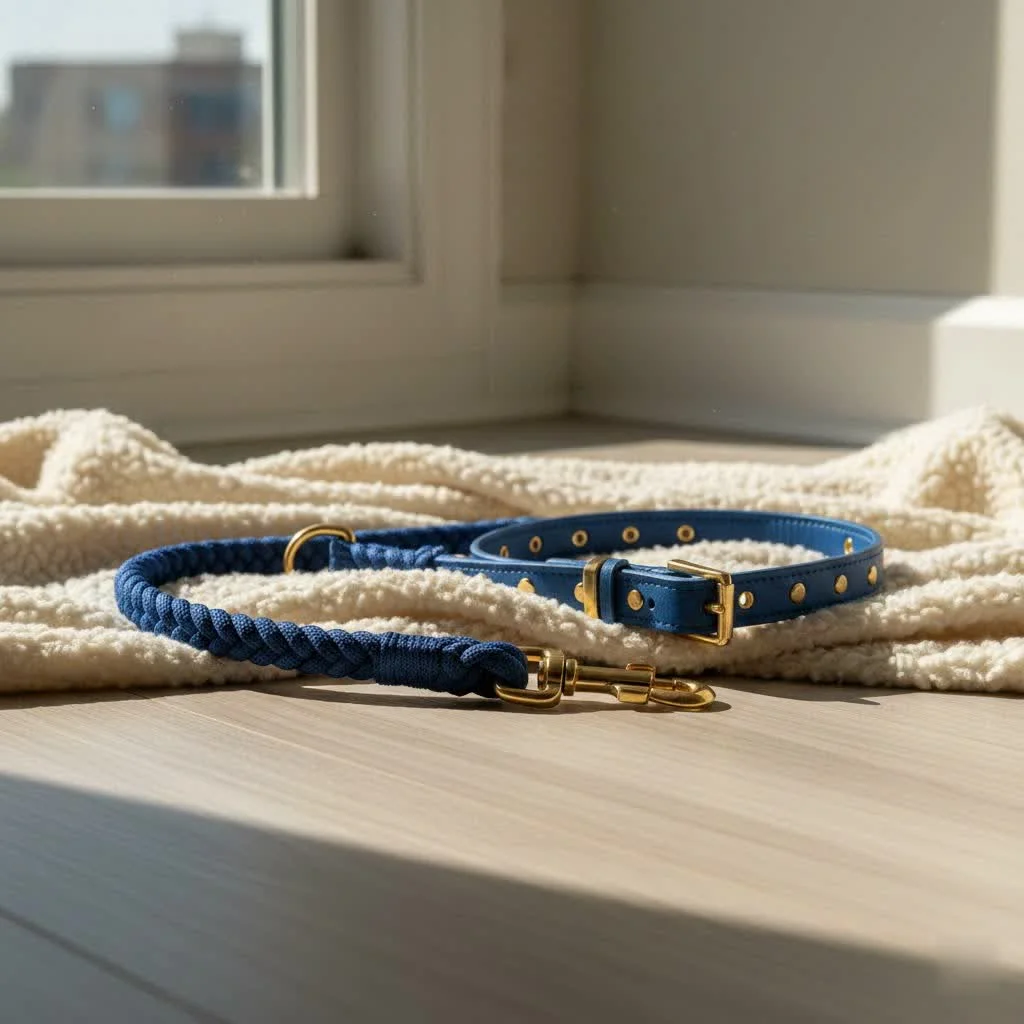
What is an Outdoor Dog Leash and Why Are They Important?
An outdoor dog leash is a fundamental piece of pet gear designed to connect you safely to your dog during walks, hikes, runs, or any excursions outside your home. Its primary purpose extends beyond mere restraint; it acts as a vital communication line, allowing you to guide, correct, and protect your dog while maintaining control in diverse environments. For shop curated dog leashes on this site.
The importance of using an appropriate outdoor dog leash cannot be overstated. Firstly, it’s a matter of safety. A reliable leash prevents your dog from darting into traffic, chasing wildlife, or approaching unfamiliar people or animals inappropriately. It keeps them out of harm’s way and prevents potential harm to others. Secondly, it provides control, which is crucial in crowded urban settings, busy trails, or even when encountering unexpected situations like another off-leash dog. Lastly, the right leash facilitates training and bonding, allowing you to teach proper leash manners and reinforce good behavior during your shared adventures. From a simple stroll around the block to a challenging mountain hike, the leash ensures that both you and your dog can enjoy the experience securely and confidently.
Popular Types of Outdoor Dog Leashes and Their Pros & Cons
The market offers a wide array of outdoor dog leashes, each designed with specific activities and dog temperaments in mind. Understanding the different types and their features is key to selecting the best fit.
Standard Leash (Fixed-Length Leash)
The most common and recommended type, standard leashes come in fixed lengths, typically 4 to 6 feet. They are often made from nylon, leather, or rope.
- Pros: Simple, durable, and easy to use. Offers excellent control, making it ideal for everyday walks, busy areas, and initial leash training. Generally affordable.
- Cons: Limited freedom for the dog compared to longer or retractable options. Can be uncomfortable on hands if your dog is a strong puller without proper padding.
Retractable Leash
|
Our Picks for the Best Dog Leash in 2026
As an Amazon Associate I earn from qualifying purchases.
|
||
| Num | Product | Action |
|---|---|---|
| 1 | 2 Pack Dog Leash, 4/5//6 FT Heavy Duty Nylon Rope Pet Leashes with Comfortable Padded Handle, Reflective Dog Leashes for Small Medium and Large Dogs (5FT-1/2,Black/Black) |

|
| 2 | Hands Free Dog Leash, Adjustable Waist Leash for Dog, Handle Bungee 4.2-6.7 Feet Long with Reflective Stitches for Walking Hiking Running, Fits 26"- 43" Waist, Black & Blue |
|
| 3 | 16Ft Retractable Dog Leash,Light Weight Leash for Small to Medium Dogs/Cats Up to 50lbs,Stainless Steel Spring Strong Nylon Tape, Tangle Free, One-Handed Brake.(Black) |
|
| 4 | Taglory Rope Dog Leash 6 FT with Comfortable Padded Handle, Highly Reflective Threads Leash for Medium Large Dogs, 1/2 inch, Black |
|
| 5 | Joytale Tactical Dog Leash Heavy Duty, 4-6FT Shock Absorbing Bungee Lead with 2 Padded Handle, Metal Carabiner Clip, Car Seatbelt, Strong No Pull Leash for Medium Large X-Large Dogs, Coyote Brown |
|
| 6 | Fida Retractable Dog Leash, 16 ft Dog Walking Leash for Small Dogs up to 26 lbs, 360° Tangle Free, Black |
|
| 7 | Frienda 30ft Galvanized Heavy Duty Dog Chain Tie out Heavy Duty Chain 3mm Chew Proof with 2 Safety Clips Rust Resistant Outdoor Dog Leash for Yard Camping Hiking Park Travel 440lbs Break Strength |
|
| 8 | Joytale Dog Leash, 6 FT Double-Sided Reflective, Padded Handle Nylon Heavy Duty Leashes for Medium & Large Dogs Walking, Black |
|
| 9 | iYoShop Hands Free Dog Leash with Zipper Pouch, Dual Padded Handles and Durable Bungee for Walking, Jogging and Running Your Dog (Large, 25-120 lbs, Black) |
|
| 10 | 26Ft Retractable Dog Leash, Heavy Duty Great Leash for Dog up to 110 lbs, Anti-Slip Rubberized Handle, One-Handed Brake, Strong Nylon Tape, Tangle Free(Large Size). |
|
These leashes feature a cord or tape that extends and retracts from a handle, allowing your dog more range.
- Pros: Grants your dog greater freedom to explore without being off-leash. Can be useful for owners with certain physical limitations.
- Cons: Can be difficult to control a dog quickly, posing safety risks to both the dog (neck injuries, running into danger) and the handler (rope burns, falls). Many dog trainers do not recommend them due to the lack of immediate control and potential for injury. “Most dog trainers… do not recommend using a retractable leash because the cord can get wrapped around your dog and yourself, potentially injuring limbs and hands,” notes The Spruce Pets.
Hands-Free Leash
Designed to be worn around your waist or shoulder, these leashes free up your hands. Many incorporate a bungee section for shock absorption.
- Pros: Ideal for activities like running, hiking, or walking with a stroller, allowing the handler full use of their arms. The bungee element helps absorb sudden tugs, reducing strain on your body.
- Cons: Can lead to less direct control, especially with strong pullers or reactive dogs. May be too bulky for very small dogs depending on the design.
Training Leash (Long Line & Multi-functional Leash)
This category includes leashes designed for specific training purposes or versatile use.
- Long Line: Typically 10 to 50 feet in length, long lines offer maximum freedom while still providing a secure connection.
- Pros: Perfect for recall training, allowing dogs to explore safely in open, uncrowded spaces, or for “decompression walks” where a dog can roam and sniff freely.
- Cons: Can easily get tangled, especially in wooded areas. Not suitable for crowded environments where control needs to be immediate and close.
- Multi-functional Leash: Often adjustable in length, these leashes can be configured in various ways (short, long, hands-free, double-dog).
- Pros: Highly versatile for different situations and activities. Many come with multiple handles for varying levels of control.
- Cons: Can sometimes be more complex to adjust or use, and might be heavier or bulkier due to extra features and hardware.
Comparison Table of Outdoor Dog Leashes
| Type of Leash | Key Advantages | Key Disadvantages | Best Suited For |
|---|---|---|---|
| Standard | Simple, durable, excellent control | Limited freedom, can cause hand strain | Daily walks, busy areas, basic training |
| Retractable | Increased freedom for dog | Safety risks, less control, potential for injury | Well-trained dogs, specific owner needs |
| Hands-Free | Owner’s hands are free, shock absorption | Less immediate control, can be bulky | Running, hiking, owners needing hands free |
| Training (Long Line) | Maximum freedom, great for recall training | Can tangle easily, not for crowded areas | Recall training, decompression walks, open spaces |
| Multi-functional | Highly versatile, adjustable length, multiple handles | Can be complex, potentially heavier/bulkier | Varied activities, adaptive control needs |
Outdoor Dog Leash Buying Guide: Factors to Consider
Choosing the ideal outdoor dog leash involves more than just picking a pretty color. Several key factors should influence your decision to ensure safety, comfort, and effectiveness.
Material
The material of an outdoor dog leash dictates its durability, feel, and maintenance requirements.
- Nylon: A very popular choice due to its durability, affordability, and ease of cleaning. Nylon webbing is strong, relatively lightweight, and dries quickly, making it excellent for all-weather use. Many popular leashes, like the Max and Neo Double Handle, are made from durable nylon.
- Biothane (Coated Webbing): Often referred to as “vegan leather,” Biothane is a coated polyester webbing that is incredibly durable, waterproof, odor-proof, and easy to clean. It’s soft in hand and maintains flexibility even in cold weather. Dog trainers often prefer Biothane for its robust and low-maintenance properties.
- Leather: Offers a classic, stylish look and incredible durability over time, often softening with age. It’s strong and comfortable but typically requires more maintenance (conditioning) and is not ideal for prolonged wet conditions. Logical Leather Dog Leash is a good example.
- Rope: Leashes made from kernmantle rope (like those used in climbing) are extremely strong and durable, offering a unique aesthetic. They are often lightweight and comfortable to grip, though some can be bulky. The Ruffwear Knot-a-Leash utilizes this material.
Length
The appropriate leash length depends largely on your activity and environment.
- 4-6 feet: This is the standard length for everyday walks, crowded areas, and initial obedience training, providing close control. Trainer Alison Buehler recommends a six-foot leash for walking, noting it’s a common requirement by leash laws.
- 10-15 feet: Offers a bit more freedom for your dog in parks or less crowded areas, allowing for more sniffing and exploration without losing significant control. Trainer Erin Gianella suggests having both a shorter (6-foot) and longer (10-foot) leash for different scenarios.
- 15-50 feet (Long Line): Best for recall training in open, secure spaces or for “decompression walks” where your dog can explore a wider area safely. The NIMBLE Waterproof Training Lead comes in lengths up to 50 feet. These longer lengths are not recommended for daily walks in busy areas.
Width
The width of the leash should correspond to your dog’s size and strength. Thicker, wider leashes are generally more durable and provide a more substantial grip, making them suitable for larger or stronger dogs who pull. Conversely, a thinner, lighter leash is better for small breeds to avoid unnecessary weight or bulk.
Clasps and Hooks
The hardware that connects the leash to your dog’s collar or harness is crucial for security. Look for sturdy, durable materials like nickel, aluminum, or steel that are resistant to rust.
- Bolt Clip: A common and reliable clip that secures with a spring-loaded bar.
- Carabiner: Often found on hands-free or rope leashes, these can offer superior strength and often come with locking mechanisms for extra security. The Zee.Dog Airleash features a lockable carabiner with a 360-degree swivel to prevent tangles.
- Swivel Functionality: A swivel mechanism on the clasp helps prevent the leash from twisting and tangling, enhancing comfort and control.
Handle
A comfortable handle is essential for the handler’s comfort and control.
- Padded Handles: Neoprene or foam padding significantly improves grip comfort and reduces hand strain, especially with pullers. The Max and Neo Triple Handle is praised for its neoprene-lined handles.
- Multiple Handles (Traffic Handle): Some leashes feature an additional handle closer to the dog’s clip, known as a “traffic handle.” This allows for quick, close control in high-traffic or potentially dangerous situations, making it easier to keep your dog by your side.
Additional Features
- Reflective Stitching/Trim: Enhances visibility in low-light conditions, crucial for safety during early morning or late evening walks. Many Max & Neo and Ruffwear leashes incorporate this.
- Shock Absorption (Bungee): Integrated bungee sections in leashes help to absorb the impact of sudden pulls, making the experience more comfortable for both dog and owner, especially beneficial for runners.
- Accessory D-rings/Loops: Handy for attaching poop bag dispensers, treat pouches, or keys.
Reputable Outdoor Dog Leash Brands
When investing in an outdoor dog leash, choosing a reputable brand known for quality and durability can make a significant difference.
- Ruffwear: A popular brand for active dogs and outdoor enthusiasts, known for its durable, adventure-ready gear. Their Roamer Bungee Leash is highly rated for hands-free use and shock absorption, while the Knot-a-Leash offers a minimalist, rope-style design for trail use.
- Max & Neo: Praised for their robust and feature-rich leashes, often including multiple padded handles and reflective stitching. Their Double Handle and Triple Handle leashes are frequently recommended for strong pullers and enhanced control.
- PetSafe: Offers reliable, budget-friendly options, particularly their standard nylon leashes. They are a great choice for basic, functional leashes that get the job done without fuss.
- Zee.Dog: Known for stylish designs and innovative features like shock-absorbing bungee webbing and lockable carabiners. Their Airleash is a favorite for reducing the impact of sudden pulls.
- Kurgo: Provides versatile and multi-functional leashes, such as the Quantum 6-in-1, which offers various configurations including hands-free and double-dog walking options.
- High Tail Hikes: Specializes in customizable Biothane leashes, offering exceptional durability, ease of cleaning, and a wide range of lengths and colors, making them a favorite among trainers.
- Kong: A well-known brand in the pet industry, Kong offers a variety of leashes, often focusing on durability and strength, complementing their popular chew toys.
- Blueberry Pet: Known for offering a wide array of stylish and colorful leashes and collars made from various durable materials, providing options for every aesthetic preference.
Tips for Using and Maintaining Your Outdoor Dog Leash
Proper use and regular maintenance will extend the life of your outdoor dog leash and ensure safe, enjoyable outings.
How to Hold a Leash Correctly
For optimal control and comfort, loop the handle over your thumb and hold the main leash firmly in your hand, allowing for quick adjustments. Avoid wrapping the leash around your hand or wrist, as this can lead to injury if your dog suddenly pulls. A “traffic handle” on multi-handle leashes offers a safe way to grab your dog close when needed.
Avoiding Tangles
A swivel clasp helps prevent twisting. For longer leashes, especially long lines, keep the excess coiled or draped carefully to prevent tangles and trips. During walks, be mindful of trees, poles, and other obstacles your dog might circle.
Cleaning and Storage
Regular cleaning removes dirt, mud, and odors, prolonging the leash’s life.
- Nylon and Rope Leashes: Most can be hand-washed with mild dish soap and warm water, or even tossed in a mesh bag on a gentle cycle in the washing machine. Air dry thoroughly.
- Biothane Leashes: Simply wipe clean with a damp cloth and mild soap. They dry almost instantly.
- Leather Leashes: Wipe down with a damp cloth. For deeper cleaning, use a dedicated leather cleaner and conditioner to keep the material supple and prevent cracking. Always air dry away from direct heat.
Store your leash in a dry place, away from direct sunlight, and out of your dog’s reach to prevent chewing.
Safety Notes for Public Spaces
Always be aware of your surroundings. Use a shorter leash (4-6 feet) in crowded areas to keep your dog close. Consider a reflective leash for walks during dawn, dusk, or night. If your dog is a strong puller, pair the leash with a well-fitted harness, especially a front-clip harness, to distribute pressure and reduce strain on their neck. “If a dog pulls on a leash and is only wearing a collar, they can do a lot of damage to the neck or spine,” warns certified dog trainer Erin Gianella.
Where to Buy Your Outdoor Dog Leash?
Finding the perfect outdoor dog leash is easier than ever with numerous purchasing options available.
- Specialty Pet Stores: These stores offer the advantage of allowing you to physically examine leashes, feel the materials, and test the clasps. Knowledgeable staff can also provide personalized recommendations based on your dog’s size, temperament, and your activity level.
- Online Retailers: Websites like Amazon, Chewy, and the official brand websites (e.g., Ruffwear.com, MaxandNeo.com) offer the widest selection, competitive pricing, and the convenience of home delivery. You can easily compare features, read customer reviews, and often find specialized leashes that might not be available locally. When buying online, always check product reviews, return policies, and detailed descriptions to ensure the leash meets your needs.
Conclusion
Choosing the right outdoor dog leash is a crucial decision that impacts your dog’s safety, comfort, and the enjoyment of your shared adventures. From the simplicity of a standard nylon leash to the versatility of a hands-free bungee, each type offers distinct advantages for different activities and dog personalities. Prioritize durable materials like nylon or Biothane, select a length appropriate for your environment, and ensure the hardware is secure and easy to use. Remember, a comfortable padded handle and reflective features can greatly enhance your experience.
Ultimately, the best outdoor dog leash is one that creates a secure, comfortable, and communicative connection between you and your cherished companion. Invest in quality, understand its proper use, and you’ll unlock countless joyful moments exploring the world together. What kind of outdoor adventures do you and your dog dream of embarking on with your new perfect leash?
Frequently Asked Questions
Can dogs hurt themselves pulling on the leash?
Yes, dogs can absolutely hurt themselves by pulling on a leash, especially if they are only wearing a collar. Constant pressure on the neck can lead to injuries such as a collapsed trachea, strained neck muscles, or damage to the spine. Using a well-fitted harness, particularly a front-clip harness, can help distribute pressure more evenly across the dog’s chest and shoulders, reducing the risk of injury.
How do you stop your dog from biting their leash?
Leash biting can stem from overstimulation, playfulness, or discomfort. To address it, you can teach your dog that leash biting stops the walk. If they bite the leash, stop immediately and only resume when they release it. Consider a leash made of less appealing materials (like chain) or spray a bitter-tasting deterrent on the leash. Also, ensure their collar or harness fits comfortably, as an ill-fitting one can cause irritation leading to biting.
How do I clean a dog leash?
Cleaning methods vary by material. For most nylon or rope leashes, you can hand-wash them with warm water and mild dish soap, scrubbing any stubborn dirt with an old toothbrush, then air dry. Biothane leashes are typically wiped clean with a damp cloth and soap. Leather leashes require gentle cleaning with a damp cloth and occasional conditioning with a leather-specific product to maintain their quality and flexibility.
Pet products vetted on real animals
Practical specs, not advice. Unsubscribe anytime.
