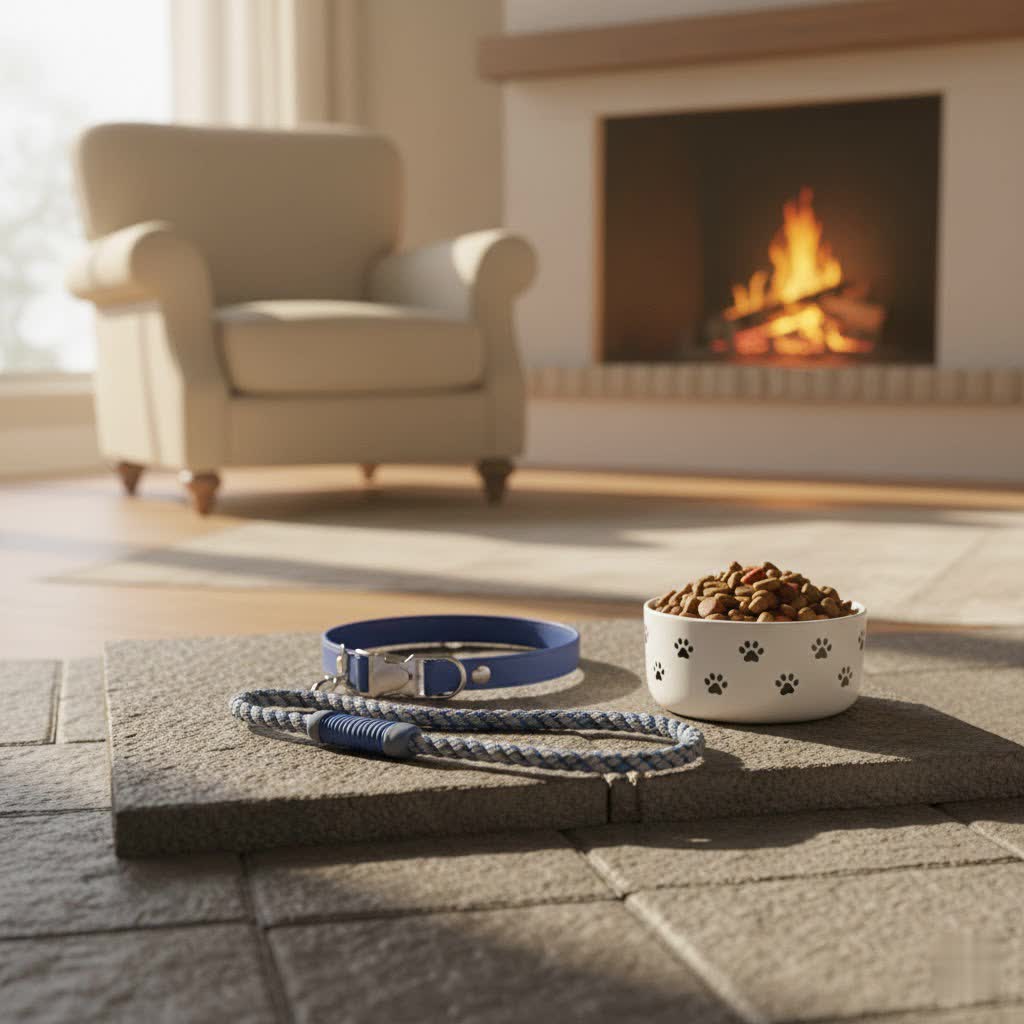
Are you finding walks with your large dog more of a tug-of-war than a leisurely stroll? The sheer power and boundless energy of a big canine companion demand a leash that offers both unyielding strength and comfortable control. Navigating the world of dog leashes can feel overwhelming, but as an experienced enthusiast of large breeds, I’m here to simplify the selection process and help you find the perfect leash for your powerful pooch.
What is a Dog Leash and Why is it Crucial for Large Breeds?
A dog leash is a fundamental piece of equipment, typically a strap or rope, used to guide and control your dog. For large dogs, which often possess significant pulling strength, a leash’s role extends far beyond mere restraint; it’s a vital tool for safety, training, and effective communication between you and your pet. An appropriate leash is critical to prevent dangerous situations, maintain control in public, and ensure an enjoyable experience for both handler and dog. It’s the difference between a controlled walk and a chaotic pull, especially with breeds known for their enthusiasm or a strong prey drive. For explore our dog leashes reviews on this site.
Exploring Popular Dog Leash Types for Large Dogs
The market offers a diverse range of leashes, each with unique advantages and disadvantages, particularly when it comes to managing larger, stronger dogs. Understanding these types is the first step in making an informed choice.
Standard Leash
These are perhaps the most common leashes, typically a fixed length of nylon, leather, or rope.
- Pros: Simple, straightforward, often affordable, and excellent for teaching basic leash manners. For large dogs, a wider, heavy-duty standard leash made from durable materials is crucial for everyday walks and provides a good balance of freedom and control. [cite: 3_1, 1_2]
- Cons: Offers limited flexibility in length and can cause hand strain if your dog pulls forcefully, especially if the handle isn’t padded.
Retractable Leash
These leashes feature a long cord or webbing that extends and retracts from a handle, allowing your dog more freedom to roam.
- Pros: Grants greater freedom for your dog to explore, which can be beneficial in open, safe areas. Some heavy-duty models are designed for large dogs up to 110 pounds.
- Cons: Can be difficult to control a strong, large dog effectively, potentially leading to injuries for both dog and owner. They are generally not recommended for training pullers and are best suited for well-trained dogs in low-risk environments. [cite: 3_1, 5_1]
Training Leash (Multi-functional/Adjustable)
|
Our Picks for the Best Dog Leash in 2026
As an Amazon Associate I earn from qualifying purchases.
|
||
| Num | Product | Action |
|---|---|---|
| 1 | Joytale Tactical Dog Leash Heavy Duty, 4-6FT Shock Absorbing Bungee Lead with 2 Padded Handle, Metal Carabiner Clip, Car Seatbelt, Strong No Pull Leash for Medium Large X-Large Dogs, Coyote Brown |

|
| 2 | Frienda 30ft Galvanized Heavy Duty Dog Chain Tie out Heavy Duty Chain 3mm Chew Proof with 2 Safety Clips Rust Resistant Outdoor Dog Leash for Yard Camping Hiking Park Travel 440lbs Break Strength |
|
| 3 | Taglory Rope Dog Leash 6 FT with Comfortable Padded Handle, Highly Reflective Threads Leash for Medium Large Dogs, 1/2 inch, Black |
|
| 4 | Hands Free Dog Leash, Adjustable Waist Leash for Dog, Handle Bungee 4.2-6.7 Feet Long with Reflective Stitches for Walking Hiking Running, Fits 26"- 43" Waist, Black & Blue |
|
| 5 | 16Ft Retractable Dog Leash,Light Weight Leash for Small to Medium Dogs/Cats Up to 50lbs,Stainless Steel Spring Strong Nylon Tape, Tangle Free, One-Handed Brake.(Black) |
|
| 6 | Fida Retractable Dog Leash, 16 ft Dog Walking Leash for Small Dogs up to 26 lbs, 360° Tangle Free, Black |
|
| 7 | Joytale Dog Leash, 6 FT Double-Sided Reflective, Padded Handle Nylon Heavy Duty Leashes for Medium & Large Dogs Walking, Black |
|
| 8 | iYoShop Hands Free Dog Leash with Zipper Pouch, Dual Padded Handles and Durable Bungee for Walking, Jogging and Running Your Dog (Large, 25-120 lbs, Black) |
|
| 9 | 26Ft Retractable Dog Leash, Heavy Duty Great Leash for Dog up to 110 lbs, Anti-Slip Rubberized Handle, One-Handed Brake, Strong Nylon Tape, Tangle Free(Large Size). |
|
| 10 | 2 Pack Dog Leash, 4/5//6 FT Heavy Duty Nylon Rope Pet Leashes with Comfortable Padded Handle, Reflective Dog Leashes for Small Medium and Large Dogs (5FT-1/2,Black/Black) |
|
Designed for versatility, these leashes often have multiple rings or clips, allowing for adjustable lengths or hands-free options.
- Pros: Highly adaptable for various training scenarios, from close-heel work to longer-distance recall practice. Many feature multiple loops or handles for enhanced control, allowing handlers to shorten the leash quickly when needed. [cite: 4_1, 3_1]
- Cons: Can be more complex to use initially, requiring some practice to master the different configurations.
Bungee/Shock-Absorbing Leash
These leashes incorporate an elastic segment that stretches to absorb the shock of sudden pulls.
- Pros: Significantly reduces strain on your arm and shoulder, as well as on your dog’s neck, making walks more comfortable for both. They are ideal for energetic dogs, running, or hiking. [cite: 1, 5_1, 4_2]
- Cons: The elasticity can sometimes reduce immediate control, making them less suitable for intense training or very reactive dogs.
Dual-Handle/Traffic Handle Leash
Featuring a second, shorter handle positioned closer to the leash’s clip, these offer immediate control.
- Pros: Provides superior control in high-traffic areas, crowded spaces, or during unexpected encounters, allowing you to quickly rein in your large dog. The Max and Neo Triple Handle leash is a great example, offering multiple grip options. [cite: 2, 4_1, 5_1]
- Cons: The secondary handle may add a little bulk or weight to the leash.
Comparison Table: Choosing the Right Leash for Your Large Dog
| Loại Dây Dắt | Ưu Điểm | Nhược Điểm | Phù Hợp Với |
|---|---|---|---|
| Standard Leash | Simple, durable, affordable | Less control with strong pullers | Everyday walks, basic training for non-pullers |
| Retractable Leash | More freedom to explore | Reduced control, potential safety risks | Well-trained dogs in open, low-risk areas |
| Training Leash | Versatile, adjustable length, hands-free | Can be complex to use | Training, hiking, variable control needs |
| Bungee Leash | Shock absorption, reduces strain | Less direct control, may encourage pulling | Energetic dogs, running, comfort for both |
| Dual-Handle Leash | Excellent close control, enhanced safety | Slightly heavier/bulkier | High-traffic areas, reactive dogs, strong pullers |
Essential Factors When Buying a Dog Leash for Large Dogs
Selecting the perfect leash goes beyond just type. Several critical factors, from material to handle design, dictate a leash’s effectiveness and your overall walking experience.
Material
The strength and durability of a leash are largely determined by its material. For large dogs, robust materials are non-negotiable.
- Nylon: A very popular choice due to its strength, durability, and cost-effectiveness. Heavy-duty nylon is resistant to wear and tear, lightweight, and flexible, making it ideal for everyday use. Look for options with reinforced stitching to withstand significant pulling forces. [cite: 1_2, 3_2, 4_2, 5_2]
- Leather: Offers a classic look and exceptional durability. Leather leashes become softer and more comfortable with age but require regular maintenance to prevent drying and cracking. They are a premium option for those seeking longevity and style. [cite: 3_1, 1_2, 3_2, 4_2]
- Biothane: A modern, synthetic coated webbing known for its incredible durability, waterproof properties, and ease of cleaning. Biothane is comfortable to hold and highly resistant to odors and mildew, making it an excellent choice for active, outdoor-loving dogs and handlers. [cite: 3, 1_2, 3_2]
- Rope: Often made from climbing-grade rope, these leashes offer exceptional tensile strength and resilience, perfect for large dogs prone to pulling. Their thickness also provides a comfortable and secure grip, reducing hand strain. [cite: 3_1, 4_2, 5_1]
- Chain: While offering maximum durability and chew-resistance, chain leashes are heavy and less flexible. They are best for strong chewers but generally not ideal for training due to their weight and lack of give. [cite: 1_2, 5_1]
Length
The ideal leash length provides a balance between freedom for your dog and control for you.
- 4-6 feet (1.2m – 1.8m): This is the standard and most popular length for daily walks, offering enough freedom for sniffing while maintaining good control in various environments. [cite: 1_1, 1_2, 5_2]
- 10-30+ feet (3m – 9m+): Longer leashes are excellent for recall training, giving your dog more space to explore in safe, open areas like parks or during hikes, provided your dog has a reliable recall. [cite: 3, 4_1]
Width
For large dogs, a wider leash (typically at least 1 inch or ¾ inch) is crucial. This provides greater strength and durability, making it less likely to snap under pressure from a strong puller. A wider leash also offers a more secure and comfortable grip for the handler. [cite: 3, 1_1, 5_2]
Hardware (Clips and Hooks)
The clips and hooks are critical connection points. Look for heavy-duty metal hardware (stainless steel or brass) that is rust-resistant and features a strong snap or carabiner-style clasp. Swivel mechanisms are also important to prevent the leash from twisting and tangling. Double-lock mechanisms provide added security for powerful dogs. [cite: 1, 3, 1_2, 5_1, 5_2]
Handles
A comfortable and secure handle is paramount for walking a large dog. Padded handles (often with neoprene or foam lining) can significantly reduce hand fatigue and prevent rope burn, especially when your dog pulls. Dual-handle designs, with an additional “traffic handle” closer to the clip, offer invaluable close control when needed. [cite: 1, 2, 4, 1_1, 1_2, 5_1, 2_1]
Reflectivity
For walks during dawn, dusk, or at night, reflective stitching or materials woven into the leash enhance visibility, greatly improving safety for both you and your dog. [cite: 1, 2, 3, 4, 1_1, 1_2, 5_1]
Reputable Dog Leash Brands for Large Dogs
Investing in a quality leash from a reputable brand ensures durability and reliability. While many excellent options exist, some brands consistently receive high praise for their products designed for large breeds:
- Max and Neo: Known for their heavy-duty leashes, often featuring double or triple handles and reflective stitching, providing excellent control and safety. [cite: 2, 4_1]
- Ruffwear: Offers rugged, outdoor-focused leashes like the Knot-a-Leash, which uses climbing-grade rope for superior strength and durability.
- PetSafe: Provides reliable nylon leashes that are durable and a good budget-friendly option for everyday use.
- Logical Leather: For those who prefer the classic strength and feel of leather, this brand offers high-quality, durable leather leashes. [cite: 4, 4_1]
- Kurgo: Produces versatile leashes like the Quantum 6-in-1, offering multiple configurations for different activities and control levels. [cite: 4_1]
- Viper (Biothane Leads): Excellent for heavy-duty, waterproof, and easy-to-clean leashes, ideal for all-weather adventurers.
Tips for Using and Maintaining Your Large Dog Leash
Even the best leash performs optimally with proper usage and care.
Correct Grip and Handling
Always use a comfortable and secure grip on your leash, often wrapping the loop around your wrist for added security. For strong pullers, keep your arm relaxed and close to your body, using your core to absorb pulls rather than your arm alone. If your leash has a traffic handle, utilize it in busy areas for immediate close control.
Preventing Tangles
Using a leash with a swivel clip can help prevent twisting and tangles. Regularly check the leash for any knots that might weaken the material. When not in use, store your leash neatly to avoid snags and damage.
Cleaning and Storage
Different materials require different care. Nylon and Biothane leashes are generally easy to clean with soap and water, and air dry. Leather leashes require periodic cleaning and conditioning to maintain suppleness and prevent cracking. Always ensure your leash is completely dry before storing to prevent mildew and odors, especially for rope or nylon leashes. Regularly inspect your leash for any signs of fraying, cuts, or worn hardware, replacing it if any damage is found. [cite: 5_1]
Public Safety Notes
Always be aware of your surroundings. A good leash provides control, but consistent training, especially for large, powerful dogs, is crucial. For strong pullers, combining a sturdy leash with a front-clip harness can significantly improve control and reduce pulling behavior. [cite: 5_1]
Where to Purchase Your Large Dog Leash
Finding the right leash is an important investment in your dog’s safety and your peace of mind.
- Specialty Pet Stores: These stores often have knowledgeable staff who can offer advice and allow you to physically inspect leashes for quality and feel.
- Online Retailers: Websites like Amazon, Chewy, and the brands’ direct websites (e.g., Max and Neo, Ruffwear) offer a vast selection, competitive pricing, and user reviews. When buying online, always review product descriptions, customer feedback, and return policies carefully.
Conclusion
Choosing the right dog leash for your large companion is an investment in safety, comfort, and a harmonious walking experience. Remember that a powerful dog requires a powerful leash – one that is durable, provides excellent control, and feels comfortable in your hand. Prioritize robust materials like heavy-duty nylon, Biothane, or climbing-grade rope, and always opt for strong hardware and comfortable, padded handles, possibly with a secondary traffic handle.
By carefully considering your dog’s size, temperament, and your walking environment, you can confidently select a leash that stands up to the challenge and turns every outing into a joy. What kind of adventures will you and your large dog embark on with your new, perfect leash?
Frequently Asked Questions
What leash length is best for a large dog that pulls?
For large dogs that pull, a standard 4-6 foot leash is generally recommended. This length provides the best balance of control, allowing you to quickly correct pulling behavior while still giving your dog enough room to walk comfortably. Shorter lengths, combined with a traffic handle, are also excellent for immediate control in high-traffic situations.
Are retractable leashes safe for large dogs?
Retractable leashes are generally not recommended for large dogs, especially strong pullers, as they offer less direct control and can increase the risk of injury to both the dog and handler. If used, opt for heavy-duty models designed for larger weights and only with well-trained dogs in open, low-risk environments.
What is the most durable material for a large dog leash?
Heavy-duty nylon, Biothane, and climbing-grade rope are among the most durable materials for large dog leashes. Nylon is strong and versatile, Biothane is waterproof and easy to clean, and climbing rope offers exceptional tensile strength, making all of them excellent choices for powerful breeds. Leather also provides long-lasting durability with proper care.
Pet products vetted on real animals
Practical specs, not advice. Unsubscribe anytime.
