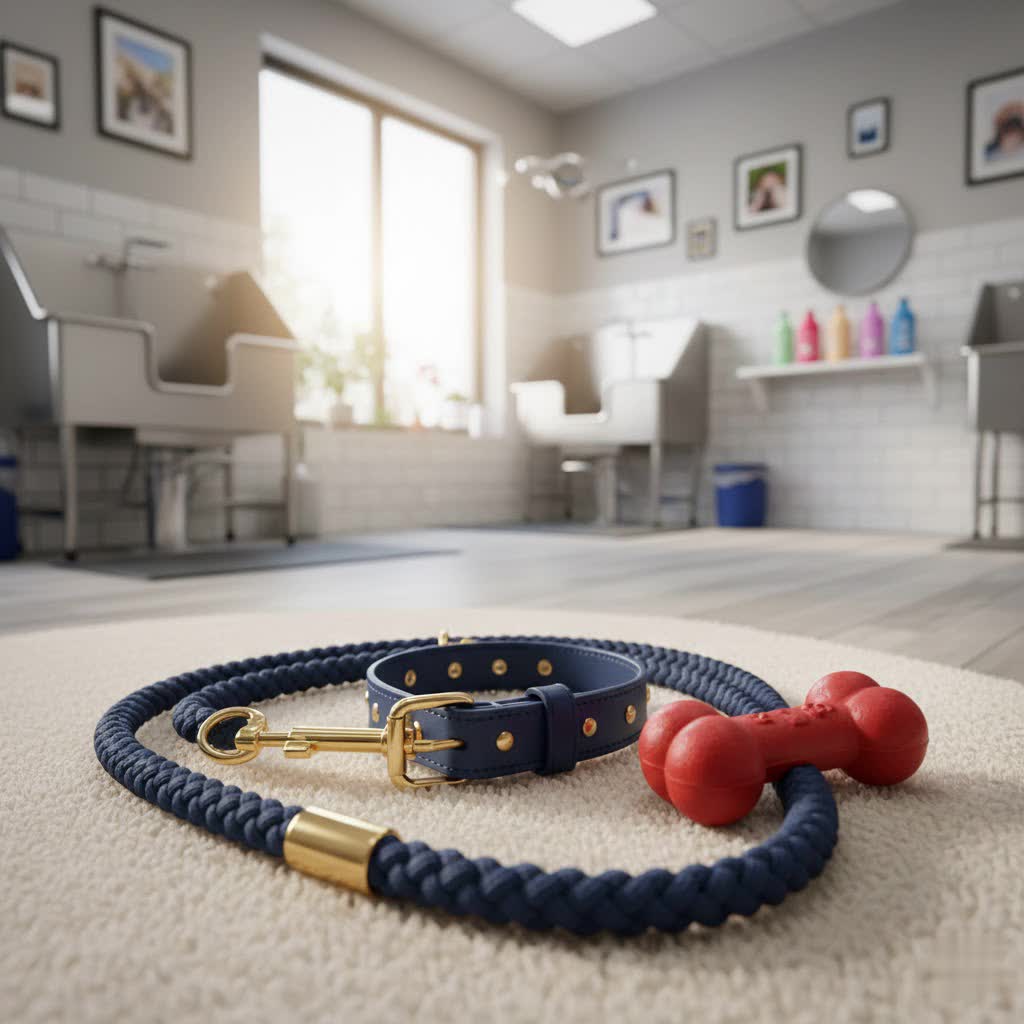
Every dog owner understands the joy and responsibility of walking their furry companion. While it might seem like a simple accessory, a dog leash is, in fact, one of the most critical pieces of equipment you’ll ever purchase for your pet. It’s the lifeline that connects you, ensuring safety, control, and effective communication during every outing. But with an overwhelming array of options on the market, how do you navigate the choices to find the perfect leash for your four-legged friend? This comprehensive guide, informed by years of experience with all types of canine accessories, will help you make an informed decision, leading to more enjoyable and secure adventures for both you and your dog.
Understanding Dog Leashes and Their Importance
A dog leash is a fundamental tool for any dog owner, serving as the primary means of physical control and guidance outside the home. Its role extends beyond merely keeping your dog from running off; it’s instrumental in training, protecting your pet from hazards like traffic, preventing interactions with unfriendly animals or people, and fostering a deeper bond between you and your canine companion. The right leash enhances safety for your dog, other animals, and the public, transforming potential tug-of-war sessions into harmonious strolls. From bustling city sidewalks to serene nature trails, choosing an appropriate leash ensures that walks are both safe and stimulating. For dog leashes buying guides on this site.
The Foundation of Control and Safety
The importance of a dog leash cannot be overstated. It acts as a direct line of communication, allowing you to guide your dog, reinforce good behavior, and offer gentle corrections. For puppies, a leash is essential for foundational training like loose-leash walking and recall. For adult dogs, it’s a vital safety measure, especially in unfamiliar or crowded environments. Beyond practical control, regular leashed walks contribute significantly to a dog’s physical exercise, mental stimulation, and socialization, all while strengthening the unique connection you share.
Common Dog Leash Types on the Market
The market offers a diverse range of leashes, each designed with specific purposes and benefits in mind. Understanding these varieties is the first step toward selecting the ideal leash for your dog’s individual needs and your lifestyle.
Popular Dog Leash Types and Their Pros & Cons
Selecting the right leash is crucial for effective dog walking and training. Each type comes with distinct advantages and disadvantages.
Standard Leash
The standard flat leash is the most common and versatile type, typically made from durable nylon, rope, or leather. They usually range from 4 to 6 feet in length, providing a good balance between freedom and control.
- Pros: Simple, easy to use, affordable, and durable. This length allows for adequate exploration while keeping your dog safely close. Many standard leashes come with an extra handle closer to the clip for “traffic control” in crowded areas.
- Cons: Can be restrictive for dogs desiring more space. Nylon may cause “leash burn” if a strong puller drags it through your hand.
- Best for: Everyday walks, basic obedience training, and urban environments.
Retractable Leash
|
Our Picks for the Best Dog Leash in 2026
As an Amazon Associate I earn from qualifying purchases.
|
||
| Num | Product | Action |
|---|---|---|
| 1 | 16Ft Retractable Dog Leash,Light Weight Leash for Small to Medium Dogs/Cats Up to 50lbs,Stainless Steel Spring Strong Nylon Tape, Tangle Free, One-Handed Brake.(Black) |

|
| 2 | Joytale Dog Leash, 6 FT Double-Sided Reflective, Padded Handle Nylon Heavy Duty Leashes for Medium & Large Dogs Walking, Black |
|
| 3 | 2 Pack Dog Leash, 4/5//6 FT Heavy Duty Nylon Rope Pet Leashes with Comfortable Padded Handle, Reflective Dog Leashes for Small Medium and Large Dogs (5FT-1/2,Black/Black) |
|
| 4 | Joytale Tactical Dog Leash Heavy Duty, 4-6FT Shock Absorbing Bungee Lead with 2 Padded Handle, Metal Carabiner Clip, Car Seatbelt, Strong No Pull Leash for Medium Large X-Large Dogs, Coyote Brown |
|
| 5 | Fida Retractable Dog Leash, 16 ft Dog Walking Leash for Small Dogs up to 26 lbs, 360° Tangle Free, Black |
|
| 6 | iYoShop Hands Free Dog Leash with Zipper Pouch, Dual Padded Handles and Durable Bungee for Walking, Jogging and Running Your Dog (Large, 25-120 lbs, Black) |
|
| 7 | 26Ft Retractable Dog Leash, Heavy Duty Great Leash for Dog up to 110 lbs, Anti-Slip Rubberized Handle, One-Handed Brake, Strong Nylon Tape, Tangle Free(Large Size). |
|
| 8 | Taglory Rope Dog Leash 6 FT with Comfortable Padded Handle, Highly Reflective Threads Leash for Medium Large Dogs, 1/2 inch, Black |
|
| 9 | Frienda 30ft Galvanized Heavy Duty Dog Chain Tie out Heavy Duty Chain 3mm Chew Proof with 2 Safety Clips Rust Resistant Outdoor Dog Leash for Yard Camping Hiking Park Travel 440lbs Break Strength |
|
| 10 | Hands Free Dog Leash, Adjustable Waist Leash for Dog, Handle Bungee 4.2-6.7 Feet Long with Reflective Stitches for Walking Hiking Running, Fits 26"- 43" Waist, Black & Blue |
|
Retractable leashes feature a thin cord or tape housed in a plastic handle, allowing the length to extend and retract, often up to 30 feet. They offer the illusion of freedom by providing adjustable distance.
- Pros: Allows your dog more room to explore and sniff while still being attached. Convenient for well-trained dogs in open, low-traffic areas.
- Cons: Offers limited control, making it difficult to quickly reel in a dog or prevent sudden lunges. The thin cord can cause severe rope burns, entanglement, or even snap, leading to serious injuries for both dog and handler. They are not recommended for training loose-leash walking as they teach dogs that pulling extends their range.
- Best for: Very well-trained dogs in large, open, and safe spaces like fields or beaches, where close control is not constantly needed.
Training Leash
While a specific “training leash” category is broad, certain leashes are particularly effective for obedience and behavior modification. This often includes long lines and specialized slip or martingale leads.
- Long Line Leash: These are typically 10 to 50 feet long, offering significant freedom for recall practice or scent work in open spaces.
- Pros: Excellent for teaching “come” commands and allowing controlled exploration.
- Cons: Can easily tangle around obstacles or people, and require careful handling to avoid tripping. Not suitable for crowded areas.
- Martingale Leash: This design combines a standard leash with a martingale collar, which tightens gently around the dog’s neck without choking, providing humane correction for dogs prone to slipping their collars or pulling.
- Pros: Reduces pulling pressure evenly around the neck, prevents escape.
- Cons: Requires proper fitting and technique; not ideal for very heavy pullers without additional training.
- Slip Lead Leash: A leash and collar in one, forming a loop that tightens when pulled. Often used in rescue situations or vet clinics for quick, temporary control.
- Pros: Quick to put on and take off, lightweight.
- Cons: Can apply excessive pressure to the neck if misused or if the dog pulls continuously, potentially causing discomfort or injury. Not recommended for daily walks.
- Best for: Specific training scenarios like recall, teaching manners, or for temporary control in controlled environments.
Multi-functional Leash
Multi-functional leashes, often referred to as adjustable or hands-free leashes, provide versatility for various activities and situations.
- Hands-Free Leash: Designed to be worn around the waist or across the shoulder, freeing up the handler’s hands. Many include a bungee section to absorb shock.
- Pros: Ideal for jogging, hiking, or managing multiple items (phone, coffee, poop bags). Reduces strain on hands and shoulders by distributing pulling force across the core.
- Cons: Less immediate control, and can be unsafe if a strong puller throws off the handler’s balance. Requires a dog that is already well-trained on a leash.
- Adjustable Leash: Features multiple loops or clips to change the length or configuration, allowing it to be shortened, lengthened, or used to tether a dog.
- Pros: Highly adaptable for different environments or training needs.
- Cons: Can be more complex to use initially than a standard leash.
- Best for: Active owners, individuals seeking convenience, or those needing a versatile leash for varying activities and situations.
Comparison Table: Understanding Leash Choices at a Glance
| Leash Type | Pros | Cons | Best For |
|---|---|---|---|
| Standard Leash | Simple, durable, good control, affordable | Limited freedom, can cause hand discomfort | Daily walks, basic training, urban environments |
| Retractable Leash | More freedom for exploration, adjustable | Less control, injury risk, not for training | Well-trained dogs in open, safe spaces |
| Training Leash | Enhanced control, aids specific training | Requires skill, can be uncomfortable if misused | Recall, behavior modification, strong pullers (Martingale) |
| Multi-functional | Versatile, hands-free options, shock absorption | Less immediate control (hands-free), complex | Jogging, hiking, active owners, diverse activities |
Buying Guide: Essential Factors When Choosing a Dog Leash
Selecting the perfect dog leash involves considering several key factors tailored to your dog’s characteristics and your lifestyle.
Material
The material of your dog’s leash significantly impacts its durability, comfort, and maintenance.
- Nylon: This is the most popular material due to its strength, durability, and affordability. Nylon leashes are easy to clean, waterproof, and come in a vast array of colors and designs. However, they can cause friction burns on hands if your dog pulls forcefully.
- Leather: Known for its classic look and exceptional durability, leather leashes are comfortable in hand and soften beautifully over time. They are robust and reliable, especially for strong pullers. However, leather requires more maintenance, including conditioning, and can become brittle if frequently exposed to water without proper care.
- Metal (Chain): Chain leashes are chew-proof and extremely durable, making them an excellent choice for dogs who tend to chew through other materials. Their weight makes them less suitable for smaller breeds, and they can be uncomfortable to hold without a padded handle.
- Biothane: A synthetic material with a look and feel similar to leather, Biothane is waterproof, odor-resistant, and easy to clean, making it a great low-maintenance option.
Length
Leash length dictates the amount of freedom your dog has and your level of control.
- 1.2m – 1.8m (4-6 feet): This is the standard and most recommended length for everyday walks and basic training. It provides sufficient control in crowded areas and keeps your dog safely by your side. A 6-foot leash is generally considered the most versatile.
- 3m – 5m (8-15 feet): Longer leashes offer more room for exploration in less populated areas while still allowing for control. These lengths are suitable for advanced training or for dogs who need a bit more space to sniff.
- 10m – 15m (30-50 feet) “Long Lines”: Used primarily for recall training in secure, open spaces, allowing the dog to roam extensively while remaining connected.
Width
The width and thickness of a leash should correspond to your dog’s size and strength.
- Narrow (⅜ inch): Suitable for toy breeds or very small dogs who don’t exert much pulling force.
- Medium (½ – ¾ inch): Ideal for most medium to large dogs. A wider leash provides more strength and a more comfortable grip for the handler.
- Wide (1 inch or more): Essential for large, strong breeds or dogs who are powerful pullers, offering maximum durability and control.
Clips and Clasps
The hardware on your leash is vital for security.
- Material: Look for sturdy metal clips, typically made of brass or nickel-plated steel, that are resistant to rust and corrosion.
- Ease of Use: Choose a clip that is easy to attach and detach from your dog’s collar or harness, especially if you have dexterity issues. Snap hooks and bolt snaps are common and reliable.
Handle
Your comfort is just as important as your dog’s.
- Padding: A padded or neoprene-lined handle can prevent hand fatigue and “leash burn” if your dog pulls.
- Ergonomics: Ensure the handle loop is a comfortable size for your hand, allowing a secure grip without constriction.
Other Considerations:
- Dog’s Size & Strength: Smaller dogs require lighter leashes; larger, stronger dogs need robust, wider leashes.
- Training Level: Puppies and untrained dogs benefit from shorter, standard leashes for better control during training.
- Activity Level: Active pursuits like running or hiking often call for hands-free or bungee-style leashes.
- Local Ordinances: Be aware of local leash laws, which may specify maximum lengths.
- Reflectivity: For night walks, a leash with reflective stitching or material enhances visibility and safety.
Reputable Dog Leash Brands
Investing in a quality leash from a reputable brand can make a significant difference in durability, comfort, and safety. While many excellent brands exist, here are a few widely recognized names:
- PetSafe: Known for a range of training tools, including leashes that focus on control and safety.
- Ruffwear: Specializes in high-performance outdoor gear for dogs, offering durable and adventure-ready leashes, often with hands-free and adjustable options.
- Kong: A trusted name in pet products, Kong offers sturdy and reliable leashes designed to withstand enthusiastic dogs.
- Blueberry Pet: Provides a wide selection of stylish and durable leashes in various materials and colors, often with a focus on everyday use.
When choosing a brand, always prioritize reviews and product specifications to ensure it aligns with your dog’s needs.
Tips for Using and Maintaining Your Dog Leash
Proper use and regular maintenance will extend the life of your leash and enhance your walking experience.
Correct Handling Techniques
- Maintain a relaxed grip: Hold the leash firmly but not rigidly. Your hand should form a comfortable “C” shape around the loop, with the leash running across your palm. This allows you to absorb shocks without losing control or experiencing discomfort.
- Avoid wrapping the leash: Never wrap the leash around your wrist or hand multiple times, especially with a strong dog. This can lead to severe injury, such as rope burn or fractures, if your dog suddenly pulls.
- Use a shorter grip in busy areas: For crowded streets or close encounters, hold the leash closer to your dog’s collar for maximum control, often utilizing a “traffic handle” if your leash has one.
Preventing Tangles
- Be mindful of your dog’s position: Try to keep your dog on one side of you to avoid the leash wrapping around your legs or theirs.
- Practice loose-leash walking: Training your dog to walk without pulling will naturally reduce tangles and make walks more pleasant. Avoid letting long lines drag excessively on the ground in cluttered environments.
Cleaning and Storage
- Nylon Leashes: Most nylon leashes are easy to clean. You can often hand wash them in warm, soapy water with a mild detergent or dog shampoo, scrubbing any dirty spots. Always air dry completely to prevent mildew. Some manufacturers allow machine washing in a mesh bag; always check the label.
- Leather Leashes: Leather should not be submerged in water. Wipe off dirt with a damp, soft cloth. To keep leather supple and prevent cracking, apply a dog-safe leather conditioner periodically. Store leather leashes in a dry place, away from direct sunlight.
- Storage: Hang leashes neatly to prevent tangles and keep them off the floor, where they can become a chewing hazard or trip risk.
Safety Considerations
- Reflective Leashes: If you walk your dog at dawn, dusk, or night, a leash with reflective stitching is crucial for visibility to motorists and pedestrians.
- Inspect Regularly: Routinely check your leash for signs of wear and tear, such as fraying, weakened stitching, or damaged clips. Replace worn-out leashes immediately to prevent unexpected breaks.
- Retractable Leash Awareness: If using a retractable leash, be acutely aware of your surroundings and your dog’s behavior. Keep the length locked in crowded areas and avoid allowing the cord to wrap around anyone.
Where to Purchase Your Dog Leash
Finding the right dog leash is easier than ever with a multitude of purchasing options available.
- Local Pet Stores: Visiting a physical pet store allows you to touch and feel different materials, assess leash lengths and widths firsthand, and get immediate advice from staff. You can also try out various handle types for comfort.
- Online Retailers: Websites like Chewy, Amazon, and specialized pet supply sites offer an extensive selection, often at competitive prices. They provide detailed product descriptions, customer reviews, and comparative shopping tools. Be sure to check return policies, especially for items you haven’t physically inspected.
- Specialty Boutiques and Brand Websites: For unique designs, artisan craftsmanship, or specific high-performance features, consider purchasing directly from brand websites or specialty pet boutiques. These often offer higher quality and niche products.
When buying online, always read customer reviews, pay attention to sizing guides, and ensure the retailer has a clear return or exchange policy.
Conclusion
Choosing the right dog leash is a foundational decision that impacts the safety, comfort, and effectiveness of every walk you take with your canine companion. By carefully considering your dog’s size, strength, training level, and your shared activities, along with factors like material, length, and handle comfort, you can find a leash that truly enhances your time together. Remember, a high-quality, appropriate leash is not just a tool; it’s an investment in your dog’s well-being and a testament to your commitment as a responsible pet owner. Whether you opt for the simplicity of a standard nylon leash, the robust feel of leather, or the versatility of a hands-free option, the goal remains the same: to foster a strong, healthy bond built on trust and secure adventures.
What exciting new adventures will you and your dog embark on with your perfectly chosen leash?
Frequently Asked Questions
What is the best leash length for a puppy?
For puppies, a 4-to-6-foot nylon leash is generally recommended for initial training. This length provides enough control for teaching loose-leash walking and basic commands, helping your puppy learn to stay close and walk politely without pulling.
Are retractable leashes safe for all dogs?
Retractable leashes are generally not recommended for all dogs, especially untrained puppies or strong pullers. They offer less control, can cause serious injuries like rope burns or tangles, and can hinder a dog’s ability to learn proper leash manners by encouraging pulling.
How do I stop my dog from pulling on the leash?
To stop your dog from pulling, it’s best to use a standard 4-to-6-foot leash with consistent training. When your dog pulls, stop walking until the leash goes slack, then resume. Consider a front-clip harness or a martingale leash for better control during training.
What leash material is best for heavy chewers?
For dogs who frequently chew through their leashes, a chain leash is the most effective chew-proof option. Alternatively, some durable Biothane leashes can also withstand chewing better than traditional nylon, though constant chewing should still be discouraged.
Can I use a hands-free leash if my dog pulls?
Hands-free leashes are generally not recommended for dogs who pull strongly. A sudden lunge from a pulling dog could easily throw you off balance or cause injury. They are best suited for well-trained dogs who already walk politely at your side.
How often should I replace my dog’s leash?
The lifespan of a leash varies based on material quality, frequency of use, and your dog’s behavior. Inspect your leash regularly for fraying, wear, or damage to the hardware. Replace it immediately if you notice any significant signs of deterioration to ensure continued safety.
Pet products vetted on real animals
Practical specs, not advice. Unsubscribe anytime.
