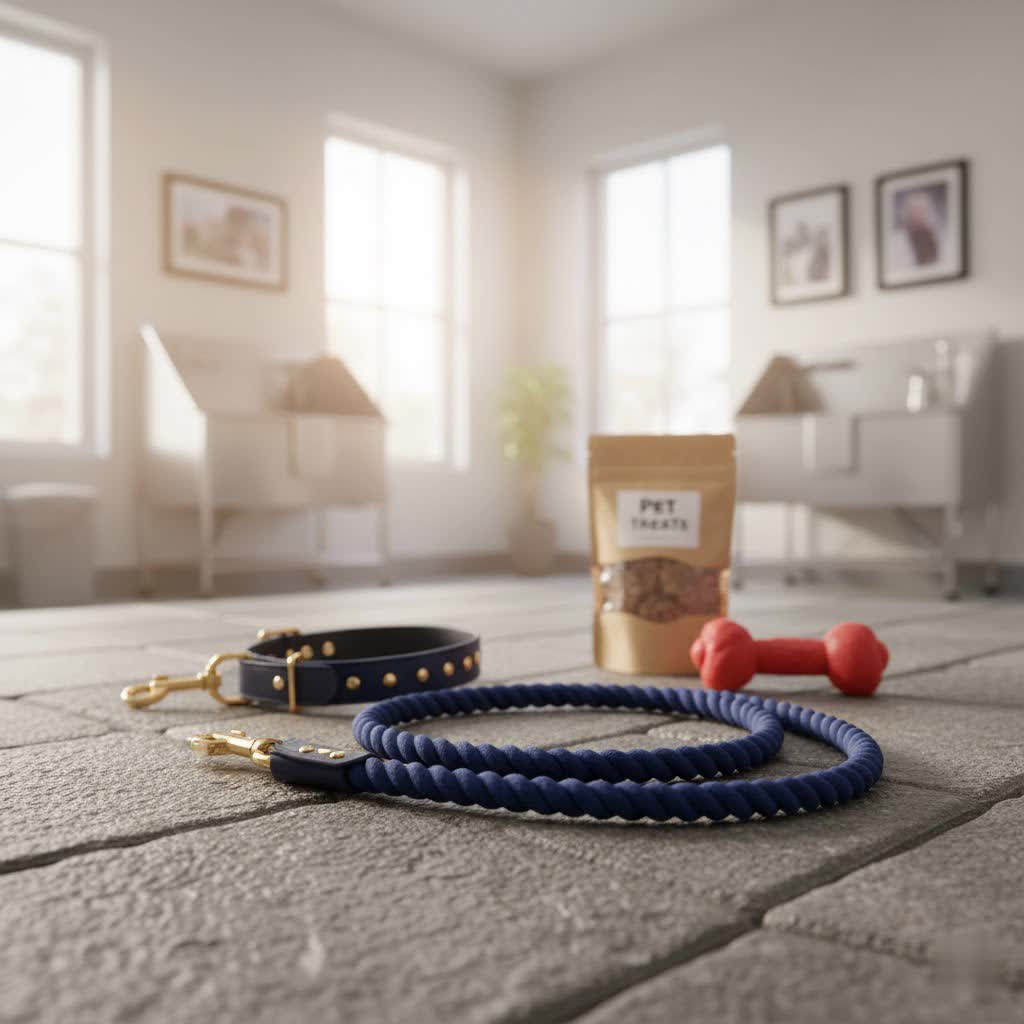
Choosing the right walking gear for your beloved canine companion can feel overwhelming with the myriad of options available. As an experienced administrator of reviewsgood.com with over a decade in the pet industry, I’ve personally tested countless dog collars, harnesses, and leashes. This comprehensive guide will equip you with the knowledge to select the perfect dog collar, harness, and leash set, ensuring safety, comfort, and control for your furry friend on every adventure.
Understanding Dog Walking Essentials: Collars, Harnesses, and Leashes
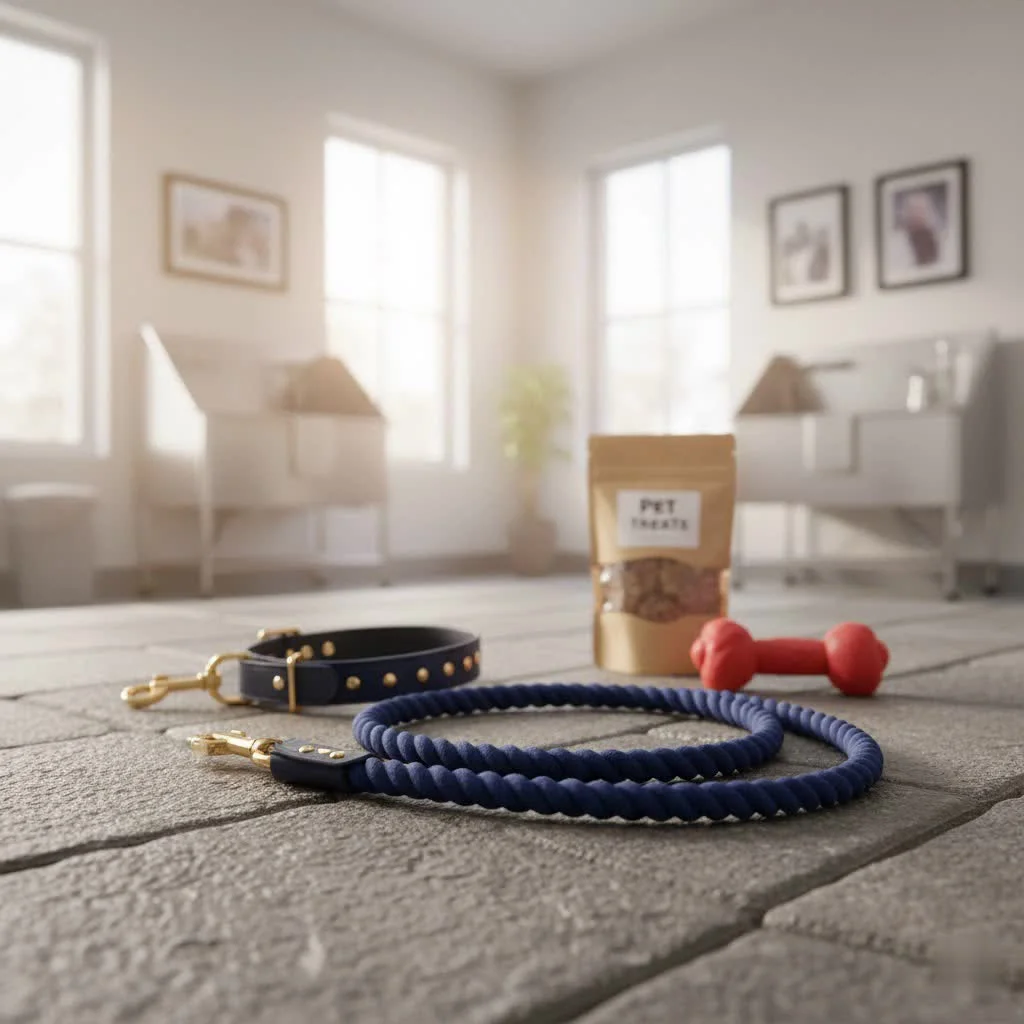
Dog walking essentials – collars, harnesses, and leashes – are more than just accessories; they are fundamental tools for your dog’s safety, identification, and training. A well-chosen set facilitates enjoyable walks, prevents escapes, and helps manage your dog’s behavior in various environments. Each component serves a distinct purpose, and understanding their roles is key to making an informed decision. For see our dog leashes recommendations on this site.
What is a Dog Collar, Harness, and Leash Set, and Why Is It Important?
A dog collar, harness, and leash set typically includes coordinated gear designed to work together, offering convenience and a cohesive look. A collar generally provides a place for identification tags and can be used for light control, while a harness distributes pressure across the dog’s chest and back, offering better control and reducing strain on the neck. The leash connects either to the collar or harness, allowing you to guide and restrain your dog safely. Investing in a complete set ensures you have the right tools for different walking scenarios, from casual strolls to intensive training sessions.
Popular Types of Dog Leashes, Collars, and Harnesses: Pros and Cons
To make the best choice, it’s vital to understand the different types of leashes, collars, and harnesses available and their specific advantages and disadvantages.
Dog Collars: Simplicity and Identification
Dog collars are the most traditional form of canine restraint and identification. They fasten around your dog’s neck, typically with a buckle or clasp, and are widely used for attaching ID tags and rabies vaccination tags.
- Standard Flat Collar:
- Pros: Simple, affordable, easy to put on and take off, ideal for identification, and suitable for well-trained dogs who don’t pull excessively.
- Cons: Can put pressure on the dog’s trachea if they pull, and some dogs can slip out if not properly fitted.
- Martingale Collar (Limited-Slip):
- Pros: Designed for sighthounds or dogs with narrow heads, it tightens gently when pulled to prevent escape without choking, offering more control than a standard collar. It provides a mild correction for training.
- Cons: Not suitable for constant wear, requires careful fitting to avoid discomfort.
- Personalized & Reflective Collars:
- Pros: Personalized collars offer built-in ID, reducing tag jingle; reflective collars enhance visibility during low-light walks for added safety.
- Cons: Reflective material may degrade over time; personalized collars cannot be easily updated with new information.
Dog Harnesses: Enhanced Control and Comfort
|
Our Picks for the Best Dog Leash in 2026
As an Amazon Associate I earn from qualifying purchases.
|
||
| Num | Product | Action |
|---|---|---|
| 1 | Taglory Rope Dog Leash 6 FT with Comfortable Padded Handle, Highly Reflective Threads Leash for Medium Large Dogs, 1/2 inch, Black |

|
| 2 | Fida Retractable Dog Leash, 16 ft Dog Walking Leash for Small Dogs up to 26 lbs, 360° Tangle Free, Black |
|
| 3 | 2 Pack Dog Leash, 4/5//6 FT Heavy Duty Nylon Rope Pet Leashes with Comfortable Padded Handle, Reflective Dog Leashes for Small Medium and Large Dogs (5FT-1/2,Black/Black) |
|
| 4 | 16Ft Retractable Dog Leash,Light Weight Leash for Small to Medium Dogs/Cats Up to 50lbs,Stainless Steel Spring Strong Nylon Tape, Tangle Free, One-Handed Brake.(Black) |
|
| 5 | Hands Free Dog Leash, Adjustable Waist Leash for Dog, Handle Bungee 4.2-6.7 Feet Long with Reflective Stitches for Walking Hiking Running, Fits 26"- 43" Waist, Black & Blue |
|
| 6 | 26Ft Retractable Dog Leash, Heavy Duty Great Leash for Dog up to 110 lbs, Anti-Slip Rubberized Handle, One-Handed Brake, Strong Nylon Tape, Tangle Free(Large Size). |
|
| 7 | Joytale Dog Leash, 6 FT Double-Sided Reflective, Padded Handle Nylon Heavy Duty Leashes for Medium & Large Dogs Walking, Black |
|
| 8 | Joytale Tactical Dog Leash Heavy Duty, 4-6FT Shock Absorbing Bungee Lead with 2 Padded Handle, Metal Carabiner Clip, Car Seatbelt, Strong No Pull Leash for Medium Large X-Large Dogs, Coyote Brown |
|
| 9 | Frienda 30ft Galvanized Heavy Duty Dog Chain Tie out Heavy Duty Chain 3mm Chew Proof with 2 Safety Clips Rust Resistant Outdoor Dog Leash for Yard Camping Hiking Park Travel 440lbs Break Strength |
|
| 10 | iYoShop Hands Free Dog Leash with Zipper Pouch, Dual Padded Handles and Durable Bungee for Walking, Jogging and Running Your Dog (Large, 25-120 lbs, Black) |
|
Harnesses cover a wider surface area of your dog’s chest, shoulders, and upper back, distributing pressure more evenly than a collar. This makes them an excellent choice for many dogs, especially those prone to pulling or with sensitive necks.
- Back-Clip Harness:
- Pros: Comfortable for the dog, good for casual walks, reduces pressure on the neck and trachea, and allows for natural movement.
- Cons: May encourage pulling as dogs can lean into the harness, offers less immediate control for strong pullers.
- Front-Clip Harness (No-Pull Harness):
- Pros: Excellent for training and deterring pulling, as the leash attachment on the chest redirects the dog’s forward momentum to the side, making it uncomfortable for them to pull. Often recommended for puppies and large breeds.
- Cons: Can sometimes tangle a dog’s legs if not properly fitted, may require an adjustment period for the dog to get used to the front clip.
- Vest or Step-In Harness:
- Pros: Often made from soft, breathable materials, easy to put on (especially step-in styles), comfortable for small dogs, and good for dogs with neck or tracheal issues.
- Cons: Can be less durable for strong pullers, some designs may restrict shoulder movement if not well-fitted.
- Chest Plate Harness:
- Pros: Offers extra padding and support across the chest, ideal for active dogs or those needing additional comfort and stability.
- Cons: Can be bulkier, potentially less breathable in hot weather.
“Harnesses remove pressure from a dog’s neck, which allows them to explore their surroundings more comfortably. This is particularly beneficial for small breeds prone to collapsing trachea.” – Dr. Megan Conrad, Associate Veterinarian
Dog Leashes: The Connection to Control
The leash is your primary means of communication and control during walks. Its type, length, and material significantly impact your walking experience.
- Standard Leash (Fixed-Length):
- Pros: Provides consistent control, available in various lengths (typically 4-6 feet), excellent for training, and made from durable materials like nylon or leather.
- Cons: Offers limited range of motion for the dog; can cause hand fatigue if the dog pulls excessively.
- Retractable Leash:
- Pros: Allows the dog more freedom to explore within a given range (up to 16 feet or more), suitable for well-trained dogs in open, safe areas.
- Cons: Can be dangerous due to lack of immediate control, may encourage pulling behavior, risk of rope burns or injury if not used cautiously.
- Training Leash (Long Line):
- Pros: Typically 15-50 feet long, excellent for recall training in secure, open spaces, allowing dogs to practice commands with a safety net.
- Cons: Can easily tangle, not suitable for crowded public areas, requires space to use safely.
- Multi-functional Leash:
- Pros: Highly versatile, often with multiple clips and rings, allowing for adjustable length, hands-free options, or walking two dogs.
- Cons: Can be complex to set up initially, typically higher priced.
Comparison Table: Dog Leash, Collar, and Harness Types
| Type of Gear | Key Advantages | Key Disadvantages | Best Suited For |
|---|---|---|---|
| Standard Collar | Identification, simple, affordable | Neck pressure if pulling, less control | Well-trained dogs, ID display |
| Martingale Collar | Prevents escape, gentle correction | Not for constant wear, specific fit | Sighthounds, mild pullers |
| Back-Clip Harness | Comfortable, neck-friendly, natural movement | May encourage pulling, less control for strong dogs | Calm walkers, small dogs |
| Front-Clip Harness | Excellent no-pull training, good control | Can tangle, requires adjustment | Pullers, training, large dogs |
| Vest/Step-In Harness | Comfortable, easy to don, trachea protection | Less durable for strong pullers, some movement restriction | Small dogs, dogs with neck issues |
| Standard Leash | Consistent control, training-friendly, durable | Limited range, hand fatigue | All dogs, daily walks, training |
| Retractable Leash | Increased freedom in open spaces | High injury risk, encourages pulling | Well-trained dogs, spacious areas |
| Training Leash | Recall training, extended exploration | Tangles easily, not for public | Obedience training in secure areas |
How to Choose the Perfect Dog Collar, Harness, and Leash Set: Key Factors
Selecting the ideal set involves considering several crucial factors to ensure your dog’s comfort, safety, and your control.
- Material:
- Nylon: A popular choice for its durability, affordability, easy cleaning, and resistance to water. Great for everyday use.
- Leather: Offers a classic, luxurious look, becomes more supple with age, and is very durable. Requires more maintenance than nylon.
- Mesh/Neoprene: Often used in harnesses, these materials are lightweight, breathable, and provide cushioning, making them comfortable, especially for smaller dogs or in warmer climates.
- Biothane: A coated webbing that is waterproof, odor-proof, and very durable, making it excellent for active dogs and wet conditions.
- Metal: Used for chains or hardware, robust but can be heavy and may not be suitable for all dogs.
- Fit and Adjustability:
- For Collars: You should be able to comfortably slip two fingers between the collar and your dog’s neck. It should be snug but not tight.
- For Harnesses: Measure around your dog’s rib cage (the widest part of their chest) and refer to the manufacturer’s size chart. Ensure it allows a full range of motion for their shoulders and doesn’t chafe or pinch. Adjustable straps are essential, especially for growing puppies or dogs with fluctuating weight.
- Durability and Hardware: Look for strong buckles, D-rings, and clasps made from sturdy materials that won’t rust. Reinforced stitching is also a sign of quality.
- Ease of Use: Consider how easily the gear can be put on and taken off, particularly if your dog is squirmish or if you have limited dexterity.
- Dog’s Behavior and Size:
- Small Dogs/Puppies: Often benefit from lightweight harnesses to protect their delicate necks and tracheas.
- Large Dogs/Strong Pullers: Front-clip harnesses and sturdy standard leashes offer better control and prevent neck injury.
- Well-Trained Dogs: May do well with a standard collar and leash, or a back-clip harness for comfort.
- Visibility: Reflective stitching or materials are a great safety feature for early morning or late-night walks.
- Comfort for Handler: Padded handles on leashes can prevent hand strain, especially with a strong puller.
Reputable Dog Collar, Harness, and Leash Brands
While countless brands exist, some have consistently proven their quality, durability, and ergonomic design. Here are a few to consider:
- Ruffwear: Known for high-performance gear, especially for active and outdoor-loving dogs. Their Front Range Harness is highly rated.
- PetSafe: Offers a range of effective training tools, including the Easy Walk Harness, a popular front-clip option.
- KONG: Beyond toys, KONG also produces durable leashes and harnesses designed for strength and comfort.
- Blueberry Pet: Offers stylish and well-made collars, harnesses, and leashes in a wide array of colors and patterns.
- Max and Neo: A brand focused on durability and giving back, offering reliable collars and leashes.
- Canada Pooch: Offers stylish and functional harnesses with features like front and back D-rings, and cooling options.
Tips for Using and Maintaining Your Dog’s Walking Gear
Proper usage and maintenance extend the life of your dog’s gear and ensure their safety.
- Correct Leash Holding: Hold the leash with a firm but relaxed grip, allowing some slack to avoid constant tension, which can encourage pulling. Always be prepared to shorten the leash quickly for control.
- Avoiding Tangles: Ensure the leash isn’t wrapped around your hand or fingers, which can cause injury if your dog suddenly pulls. Keep the leash clear of your dog’s legs.
- Regular Cleaning: Most nylon and mesh items can be hand-washed with mild soap and water, or machine-washed on a gentle cycle in a laundry bag. Leather requires specific leather cleaners and conditioners to prevent drying and cracking.
- Inspection: Regularly check all components—buckles, D-rings, stitching, and fabric—for signs of wear and tear. Replace any damaged gear immediately to prevent accidents.
- Safety in Public: Always use appropriate gear for the environment. In crowded areas, a shorter leash and a well-fitting harness provide better control. Be mindful of retractable leashes’ limitations in high-traffic zones.
Where to Purchase Your Dog Collar, Harness, and Leash Set
You have several options when it comes to buying your dog’s walking gear:
- Local Pet Stores: Offer the advantage of trying on harnesses and collars with your dog to ensure a perfect fit, and you can get immediate advice from staff.
- Online Retailers: Websites like Amazon, Chewy, PetSmart, and Petco offer a vast selection, competitive pricing, and customer reviews. Always check return policies and size charts carefully when buying online.
- Specialty Boutiques: For unique designs, custom fittings, or eco-friendly options, consider independent pet boutiques or artisan craft sites.
Conclusion
Choosing the right dog collar, harness, and leash set is a crucial decision for any dog owner. It’s about blending safety, comfort, control, and even a touch of style to enhance your shared adventures. By understanding the different types of gear, considering your dog’s specific needs and behavior, focusing on proper fit, and selecting quality materials, you can confidently choose a set that makes every walk a joyful and secure experience. Remember, the perfect set is the one that fits your dog comfortably, allows you confident control, and supports your training goals.
What kind of adventures are you and your furry friend hoping to embark on with your new gear?
Frequently Asked Questions
What is the primary difference between a dog collar and a dog harness?
A dog collar encircles the neck and is primarily used for identification and light restraint, while a dog harness fits around the chest and back, distributing pressure more evenly. Harnesses offer better control, especially for dogs that pull, and reduce strain on the dog’s neck, making them a safer option for many pets.
How do I know what size collar or harness my dog needs?
For a collar, you should be able to comfortably fit two fingers between the collar and your dog’s neck. For a harness, measure your dog’s chest circumference at its widest point, just behind the front legs. Compare these measurements to the manufacturer’s size chart, and always choose a product with adjustable straps for a custom fit.
Are retractable leashes safe for my dog?
Retractable leashes can provide dogs with more freedom to roam, but they come with risks. They can make it difficult to control your dog quickly, encourage pulling behavior, and pose entanglement hazards for both you and your dog. Many experts recommend standard fixed-length leashes for better control and safety, especially in public or high-traffic areas.
Can I use a dog harness and collar together?
Yes, some owners choose to use both a harness and a collar simultaneously. The collar can hold ID tags, while the leash is clipped to the harness for walking and control. This provides a backup if one piece of gear fails and can be beneficial for specific training techniques or for dogs who might slip out of a single piece of equipment.
Pet products vetted on real animals
Practical specs, not advice. Unsubscribe anytime.
