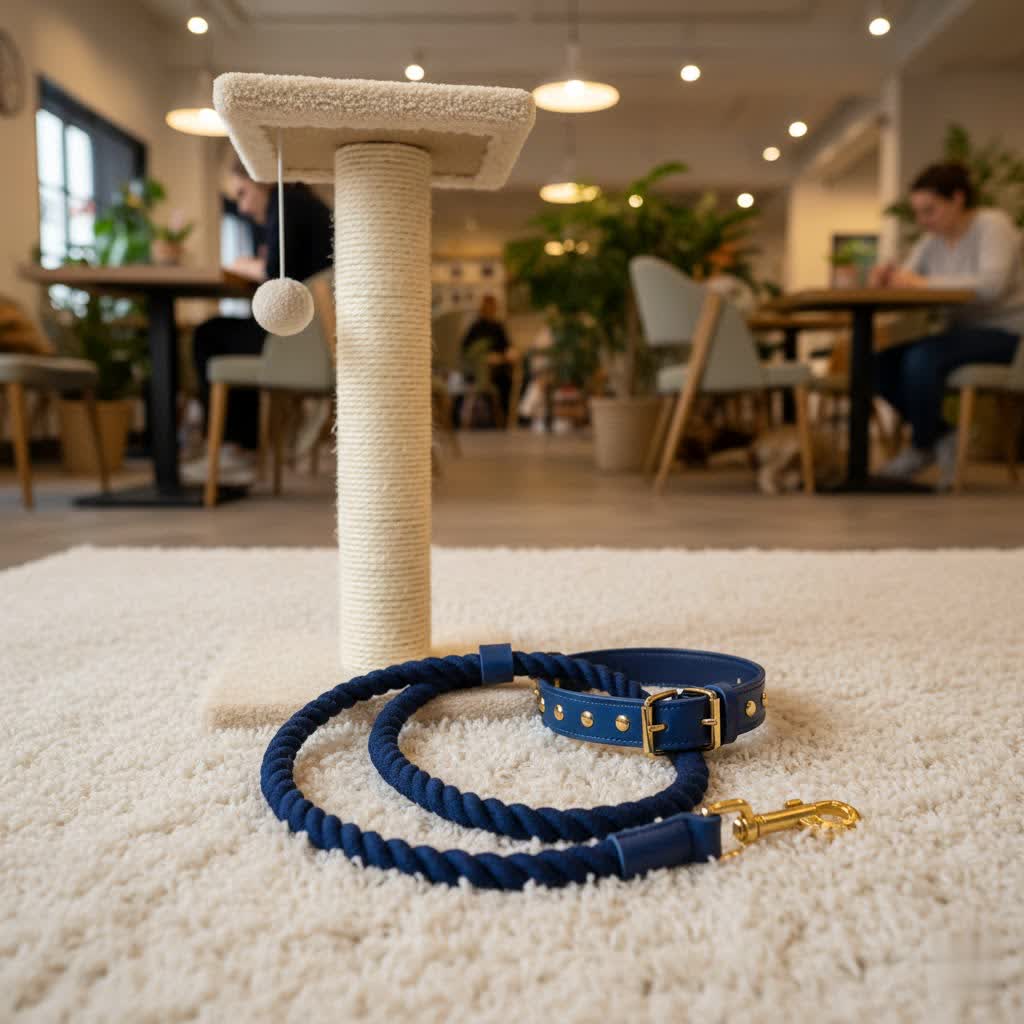
Every dog owner understands the connection a leash represents: a bond of safety, control, and shared adventure. But not all leashes are created equal. As a seasoned dog enthusiast with over a decade of experience, I’ve seen countless leashes come and go, from the basic to the brilliantly engineered. Selecting a truly durable dog leash is about more than just preventing unexpected escapes; it’s an investment in your dog’s safety, your peace of mind, and years of reliable walks and outdoor exploration. This guide will walk you through the essential elements of a long-lasting leash, helping you make an informed choice for your beloved canine companion.
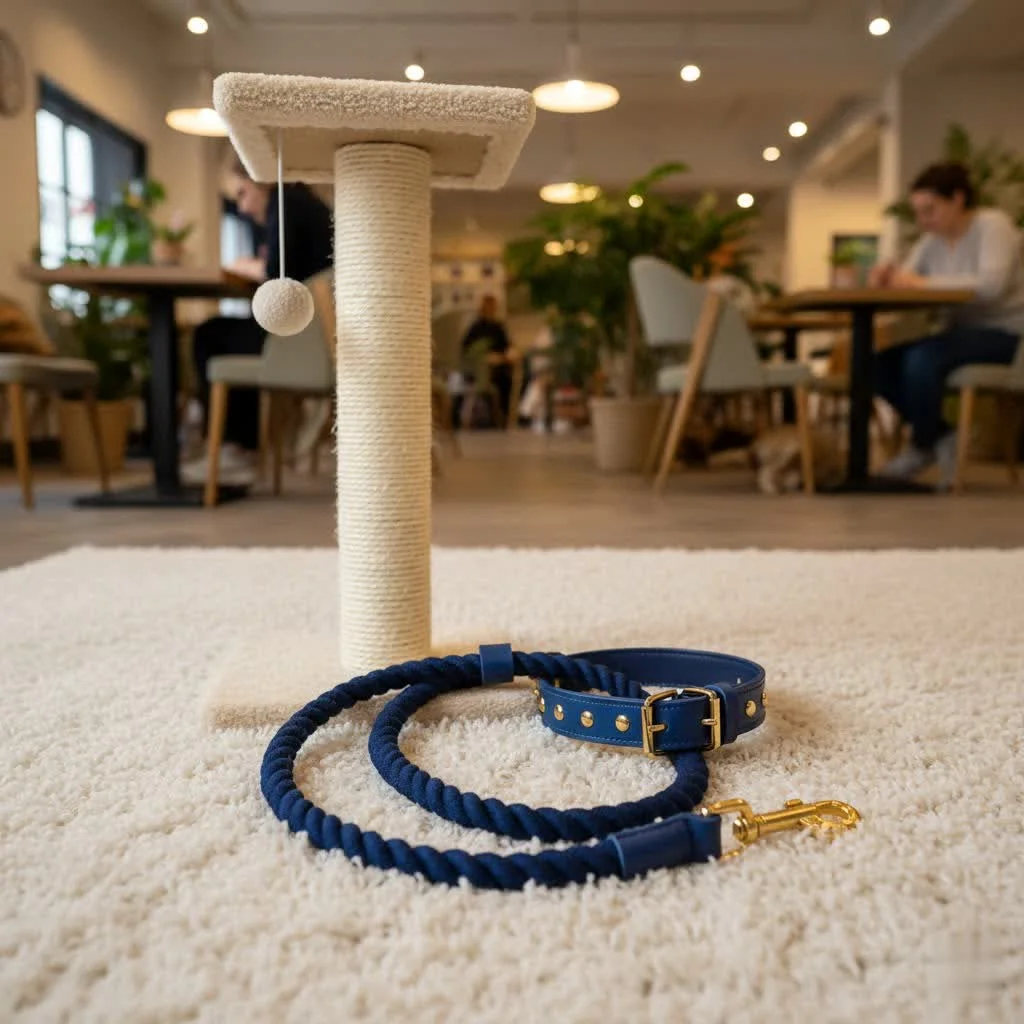
The Indispensable Role of a Durable Dog Leash
A dog leash is more than just a piece of equipment; it’s a vital link that ensures your dog’s safety and your control in any environment. From bustling city sidewalks to serene nature trails, a leash keeps your furry friend close, preventing them from darting into traffic, chasing wildlife, or approaching unfamiliar dogs or people inappropriately. The importance of durability cannot be overstated. A flimsy leash can fray under tension, its clips can break, or its material can weaken from exposure to elements or enthusiastic chewing. Such failures can lead to dangerous situations, from a lost pet to an injury. Investing in a durable dog leash means investing in reliability, security, and the countless happy moments you’ll share with your dog.
Decoding Dog Leash Materials: What Lasts Longest?
The foundation of any truly durable dog leash lies in its material. Different materials offer unique benefits and drawbacks, impacting overall strength, comfort, and longevity.
- BioThane (PVC/TPU Coated Webbing): Often hailed as a top contender for durability, BioThane is a synthetic material made of polyester webbing coated with PVC or TPU. It’s incredibly strong, waterproof, and resistant to odors, making it ideal for muddy hikes or rainy walks. BioThane resists fraying, cracking, and UV damage, and its smooth yet grippy texture prevents rope burn. While generally more expensive than nylon, its low maintenance and robust nature make it a worthwhile investment for many.
- Heavy-Duty Nylon: Nylon remains one of the most popular leash materials due to its excellent balance of strength, lightweight feel, and affordability. High-quality nylon webbing, particularly military-grade (1000D+ denier rating), offers superior resistance to wear and tear. It’s easy to clean and dries quickly. However, standard nylon can fray over time or cause rope burn if not handled carefully, so look for reinforced edges and stitching.
- Full-Grain Leather: For those who appreciate classic aesthetics and a leash that improves with age, full-grain or top-grain leather is an exceptional choice. Leather leashes are strong, flexible, and develop a unique, comfortable grip over time. They are durable and can last for many years with proper care. The main drawbacks include higher cost and the need for regular conditioning to prevent drying and cracking, especially if frequently exposed to wet conditions.
- Climbing-Grade Rope: Inspired by the ropes used by rock climbers, leashes made from climbing-grade rope offer exceptional tensile strength and a good, secure grip. The thicker diameter often makes them comfortable to hold, and they can withstand significant pulling forces. However, if not made from synthetic, water-resistant fibers, rope leashes can absorb water and become heavier.
- Chain Leashes: For powerful chewers or extremely strong dogs, chain leashes offer maximum durability and are virtually indestructible. They eliminate chewing concerns entirely. However, their significant weight and rigidity can be uncomfortable for both dog and handler, and they can be noisy. They are best reserved for specific training needs or for dogs prone to chewing through other materials.
- Hemp: An eco-friendly alternative, hemp is a strong and durable natural fiber. Hemp leashes are known for their strength and sustainability, appealing to environmentally conscious owners. They are generally resistant to mold and mildew, but like other natural fibers, may require more careful cleaning than synthetic options.
Beyond Material: Key Construction Features for Ultimate Durability
A leash’s material is only one part of the durability equation. The way it’s constructed and the quality of its components are equally critical.
- Reinforced Stitching: Weak stitching is a common point of failure. Look for leashes with double or triple stitching, especially at stress points where the leash meets the clip and handle. Some high-end durable leashes even feature Kevlar thread stitching or techniques like box-X or bar-tack stitching for enhanced strength, preventing fraying and breakage under pressure.
- Heavy-Duty Hardware: The clips and D-rings are crucial components. Opt for hardware made from robust, corrosion-resistant materials such as stainless steel, brass, or aircraft-grade aluminum. These materials ensure secure attachment and withstand the elements without rusting or weakening over time. Common clip types include bolt snaps and trigger snaps, but carabiner clips are often praised for their superior security. A good swivel mechanism on the clip is also important to prevent the leash from twisting and tangling, which can cause premature wear.
- Strong Webbing and Straps: Beyond the material itself, the quality of the webbing or strap contributes to durability. Some tactical leashes feature fray-proof ballistic material designed to resist extreme conditions. Look for leashes with high tensile strength, indicating their ability to withstand significant pulling forces without snapping.
- Comfortable and Functional Design: Durability shouldn’t come at the expense of comfort or usability. Padded handles, often made from neoprene, are essential for the handler’s comfort during long walks or when managing a strong puller, preventing rope burn and hand strain. A secondary “traffic handle” closer to the dog’s collar is a valuable feature for quick, close control in crowded areas or potentially hazardous situations.
- Reflective Elements: For walks in low-light conditions, reflective stitching or integrated reflective materials significantly enhance visibility, adding an important layer of safety for both you and your dog.
Types of Durable Dog Leashes for Every Lifestyle
While the core elements of durability remain consistent, different leash types cater to varying needs and activities.
- Standard Durable Leashes: These are your everyday workhorses, typically 4 to 6 feet in length, built with robust materials and construction for general walking and training. They offer a balance of control and freedom.
- Hands-Free Leashes: Designed for active owners, these leashes often incorporate bungee webbing to absorb shock and can be worn around the waist. Their durability comes from strong, elastic materials and secure attachment points, ideal for running, hiking, or hands-on training.
- Long Lines/Training Leads: Ranging from 10 feet to much longer, these leashes provide ample freedom for training, tracking, or simply allowing your dog to explore in open spaces while remaining safely connected. Given their extended use and exposure to terrain, strong, weather-resistant materials like BioThane are particularly important for durability.
- Tactical/Heavy-Duty Leashes: Built for extreme conditions, working dogs, or very strong pullers, these leashes feature the toughest materials, highest tensile strengths, and reinforced hardware to withstand intense use.
It’s worth noting that retractable leashes are generally not recommended by experts for durability or safety, as their internal mechanisms can fail, and they offer less control, increasing the risk of injury to both dog and handler.
Finding the Perfect Fit: Factors to Consider When Buying a Durable Leash
Choosing the right durable leash involves considering your dog’s unique characteristics and your lifestyle.
- Dog’s Size and Strength: A small dog might do well with a sturdy nylon leash, while a large, powerful breed or a dog that pulls significantly will require a leash made from a higher tensile strength material like BioThane, climbing rope, or heavy-duty nylon, combined with industrial-grade hardware.
- Dog’s Chewing Habits: If your dog is a known chewer, materials like chain or chew-resistant BioThane are crucial to prevent damage and potential escape.
- Lifestyle and Environment: For dogs who love water or muddy adventures, a waterproof and easy-to-clean material like BioThane is ideal. If you walk in low-light conditions, reflective features are a must.
- Handler Comfort: Padded handles can make a significant difference, especially during longer walks or if your dog is prone to sudden pulls. The weight and feel of the leash should be comfortable in your hand.
- Leash Length and Width: Standard lengths (4-6 feet) are versatile. Wider leashes (at least 1 inch) often provide increased strength and control for larger dogs, while narrower options might be suitable for smaller breeds.
Top Brands Renowned for Durable Dog Leashes
Several brands consistently earn high marks for the durability and quality of their dog leashes:
- Max and Neo: Known for their robust construction and thoughtful features like double or triple padded handles, Max and Neo leashes, particularly their Double Handle and Triple Handle models, are highly rated for everyday use and effective control.
- Ruffwear: A favorite among outdoor enthusiasts, Ruffwear produces leashes designed for adventure. Their Roamer Bungee Leash, for instance, offers hands-free capabilities and durable nylon webbing built to withstand rugged conditions.
- Tuff Pupper: As their name suggests, Tuff Pupper specializes in heavy-duty, tactical-grade leashes, often featuring fray-proof ballistic materials, Kevlar stitching, and aircraft aluminum hardware for extreme strength and reliability.
- PetSafe: Offers reliable and durable nylon leashes that provide excellent value for everyday use.
- Kong: Widely recognized for durable pet products, Kong also offers a range of tough leashes designed to withstand enthusiastic dogs.
- Blueberry Pet: Known for offering a variety of durable nylon leashes that balance strength with aesthetic appeal.
These brands often prioritize reinforced construction and high-quality materials to ensure their products stand the test of time and canine enthusiasm.
Care and Maintenance to Maximize Your Leash’s Lifespan
Even the most durable leash benefits from proper care. Regular maintenance can significantly extend its lifespan:
- Cleaning: Nylon and BioThane leashes can typically be wiped clean or even machine-washed (in a mesh bag) with mild detergent and air-dried. Leather leashes require occasional cleaning with a damp cloth and conditioning with a leather conditioner to keep them supple and prevent cracking.
- Inspection: Periodically inspect your leash for signs of wear and tear, such as fraying, loose stitching, or damaged hardware. Addressing small issues early can prevent major failures.
- Storage: Store your leash in a dry place, away from direct sunlight or extreme temperatures, which can degrade materials over time. Avoid leaving leashes where they can be chewed on when not in use.
Conclusion: Investing in Reliability
Choosing a durable dog leash is a pivotal decision for any responsible pet owner. It’s about more than just a purchase; it’s an investment in the safety, control, and countless cherished memories you’ll create with your four-legged companion. By understanding the best materials—from the low-maintenance resilience of BioThane and heavy-duty nylon to the classic strength of full-grain leather—and recognizing the critical importance of robust construction, reinforced stitching, and high-quality hardware, you empower yourself to select a leash that truly lasts.
Consider your dog’s size, strength, chewing habits, and your shared lifestyle to find the perfect match. A well-chosen, durable leash not only withstands the rigors of daily use but also enhances your walking experience, providing comfort and peace of mind. So, take the time to choose wisely; your enduring adventures together depend on it.
What has been your biggest challenge in finding a truly durable dog leash?
Frequently Asked Questions
What is the most durable dog leash material?
|
Our Picks for the Best Dog Leash in 2026
As an Amazon Associate I earn from qualifying purchases.
|
||
| Num | Product | Action |
|---|---|---|
| 1 | Taglory Rope Dog Leash 6 FT with Comfortable Padded Handle, Highly Reflective Threads Leash for Medium Large Dogs, 1/2 inch, Black |

|
| 2 | Fida Retractable Dog Leash, 16 ft Dog Walking Leash for Small Dogs up to 26 lbs, 360° Tangle Free, Black |
|
| 3 | Frienda 30ft Galvanized Heavy Duty Dog Chain Tie out Heavy Duty Chain 3mm Chew Proof with 2 Safety Clips Rust Resistant Outdoor Dog Leash for Yard Camping Hiking Park Travel 440lbs Break Strength |
|
| 4 | iYoShop Hands Free Dog Leash with Zipper Pouch, Dual Padded Handles and Durable Bungee for Walking, Jogging and Running Your Dog (Large, 25-120 lbs, Black) |
|
| 5 | Joytale Dog Leash, 6 FT Double-Sided Reflective, Padded Handle Nylon Heavy Duty Leashes for Medium & Large Dogs Walking, Black |
|
| 6 | Hands Free Dog Leash, Adjustable Waist Leash for Dog, Handle Bungee 4.2-6.7 Feet Long with Reflective Stitches for Walking Hiking Running, Fits 26"- 43" Waist, Black & Blue |
|
| 7 | 2 Pack Dog Leash, 4/5//6 FT Heavy Duty Nylon Rope Pet Leashes with Comfortable Padded Handle, Reflective Dog Leashes for Small Medium and Large Dogs (5FT-1/2,Black/Black) |
|
| 8 | Joytale Tactical Dog Leash Heavy Duty, 4-6FT Shock Absorbing Bungee Lead with 2 Padded Handle, Metal Carabiner Clip, Car Seatbelt, Strong No Pull Leash for Medium Large X-Large Dogs, Coyote Brown |
|
| 9 | 16Ft Retractable Dog Leash,Light Weight Leash for Small to Medium Dogs/Cats Up to 50lbs,Stainless Steel Spring Strong Nylon Tape, Tangle Free, One-Handed Brake.(Black) |
|
| 10 | 26Ft Retractable Dog Leash, Heavy Duty Great Leash for Dog up to 110 lbs, Anti-Slip Rubberized Handle, One-Handed Brake, Strong Nylon Tape, Tangle Free(Large Size). |
|
While “most” durable can depend on specific needs, BioThane is consistently cited for its exceptional strength, waterproof nature, resistance to chewing, and ease of cleaning, making it ideal for active dogs and varied weather. High-grade nylon with reinforced stitching and full-grain leather also offer excellent durability, with chain leashes being virtually indestructible for chewers.
How often should I replace my dog’s leash?
The lifespan of a dog leash varies greatly depending on its material, frequency of use, and your dog’s habits. Inspect your leash regularly for signs of wear such as fraying, stretched material, loose stitching, or damaged hardware. If any of these are present, it’s time for a replacement to ensure your dog’s safety. A high-quality, well-maintained leash can last many years.
Are thicker dog leashes more durable?
Generally, yes, thicker leashes tend to be more durable as they contain more material and can withstand greater pulling forces. For larger or stronger dogs, a wider and thicker leash (e.g., 1 inch or more) is often recommended to provide enhanced strength and control, reducing the likelihood of breakage under stress.
Can a durable leash prevent my dog from pulling?
A durable leash itself does not prevent a dog from pulling; that is a matter of training. However, a strong and well-constructed leash can better withstand the force of a pulling dog, providing you with more reliable control during training sessions. Pairing a durable leash with a no-pull harness or proper training techniques is the most effective approach to manage pulling behavior.
Pet products vetted on real animals
Practical specs, not advice. Unsubscribe anytime.
